

beyond Fiji : Discover More of the South Pacific
When New Zealanders think about a Pacific Island holiday, Fiji and Rarotonga are often the first destinations that come to mind. Both are deservedly popular, but they are only the beginning of what our remarkable Pacific neighbourhood has to offer.
Target Travel recently attended the Treasures of the South Pacific industry event, where we heard from tourism representatives from Vanuatu, the Cook Islands, Tonga, Norfolk Island, New Caledonia, Samoa, Tahiti, Fiji and the Solomon Islands. It was a timely reminder that every island group offers its own landscapes, culture, history and style of travel.
For many New Zealand travellers, Vanuatu means a relaxing resort holiday in Port Vila—and Efate is certainly a wonderful place to begin. Beyond its waterfront restaurants and bustling markets, the island offers waterfalls, swimming holes, snorkelling, village visits and opportunities to learn more about Ni-Vanuatu culture.
However, Port Vila is only the gateway. Vanuatu comprises more than 80 islands, and travelling beyond Efate reveals just how varied the country can be. On Tanna, visitors can stand near the rim of Mount Yasur and watch one of the world’s most accessible active volcanoes erupt against the night sky. The island also offers a powerful introduction to kastom: the traditions, community life and connection to the land that remain central to Vanuatu’s identity.
Further north, Espiritu Santo combines adventure with some of the South Pacific’s most beautiful natural settings. You can swim in extraordinarily clear freshwater blue holes, relax on the white sands of Champagne Beach, explore caves and waterfalls, or kayak along the coast. Santo is also internationally known for its diving, particularly the enormous SS President Coolidge shipwreck and the submerged Second World War relics at Million Dollar Point.
Vanuatu can be a beach holiday, but it can also be an active, culturally rich island-hopping experience. Target Travel can help combine Efate with Tanna or Santo, arranging flights, accommodation and experiences to create a holiday that goes considerably further than the resort gates.
Known as the “Friendly Islands”, Tonga offers a quieter and more traditional South Pacific experience. It is the Pacific’s only remaining island kingdom, and its strong Polynesian culture remains part of everyday life. Visitors can experience local markets, traditional feasts, music and dance, alongside important historical sites such as the Haʻamonga ʻa Maui stone trilithon on Tongatapu.
Nature is one of Tonga’s greatest attractions. Between July and October, humpback whales migrate to its warm waters to breed and raise their calves. Tonga is one of the few destinations where travellers can join a licensed guided excursion to swim with these magnificent animals. An experience that deserves a place on many travel wish lists.
Each island group has its own personality. Tongatapu is the cultural and political heart of the country, with dramatic coastal blowholes, beaches and historical landmarks. Vavaʻu is renowned for sailing, sheltered bays and whale encounters, while Haʻapai offers uncrowded beaches, coral reefs and a wonderfully slow pace of life. For walking, rugged scenery and outdoor adventure, ʻEua is particularly rewarding.
Tonga suits travellers who value authentic experiences over large resorts and busy tourist centres. Life moves at a gentler pace, particularly on Sundays, when much of the country pauses for church, family and rest. With the right planning, Target Travel can combine flights, accommodation and island connections to create a Tongan holiday that reaches well beyond the usual Pacific getaway.
Samoa offers a wonderful balance of dramatic landscapes, welcoming communities and a strong sense of living Pacific culture. Across the two main islands of Upolu and Savai‘i, travellers will discover volcanic coastlines, lush rainforest, waterfalls, natural swimming holes and beautiful beaches, often without the crowds found in better-known island destinations.
Upolu is home to the capital, Apia, as well as colourful markets, cultural attractions and the spectacular To Sua Ocean Trench. Savai‘i rewards those who venture farther with lava fields, blowholes, waterfalls and traditional villages, all at an unhurried pace.
What makes Samoa especially memorable, however, is fa‘a Samoa—the Samoan way of life. Family, community, faith and respect remain central to everyday life, giving visitors the opportunity to experience a culture that is proudly maintained rather than simply presented for tourism.
Samoa suits travellers who want more than a resort holiday. Stay in a beachfront fale, explore by car, swim beneath a waterfall or simply slow down and enjoy the warmth of Samoan hospitality. Target Travel can help create an itinerary combining the highlights of both Upolu and Savai‘i.
New Caledonia offers a fascinating blend of French sophistication, Melanesian culture and spectacular Pacific scenery. In Nouméa, travellers can browse local markets, enjoy waterfront cafés and discover a food scene shaped by French, Kanak and wider Pacific influences. It is a destination where a morning spent snorkelling can easily be followed by an excellent French-inspired lunch.
Beyond Nouméa, New Caledonia becomes increasingly wild and adventurous. The UNESCO-listed lagoon surrounds the main island with clear water, coral reefs and marine life, while the Isle of Pines is known for its white-sand beaches, natural swimming pools and distinctive columnar pines. The Loyalty Islands offer an even more remote experience, with dramatic coastlines, traditional Kanak communities and fewer signs of mass tourism.
New Caledonia particularly suits travellers who want more than a conventional resort holiday. It rewards those interested in culture, food, history, walking, diving and exploring beyond the capital. Allow enough time to combine Nouméa with at least one outer island.
Travel conditions can change, so Target Travel can help with current advice, flights, accommodation and a well-planned itinerary. New Zealand’s SafeTravel currently recommends exercising increased caution, making advance planning and comprehensive insurance especially important. Check the latest SafeTravel advice.
Tahiti is often associated with luxurious overwater bungalows and romantic escapes, but there is much more to discover across French Polynesia. Tahiti itself is the lively gateway to the islands, combining French and Polynesian influences with colourful markets, excellent food, dramatic waterfalls, volcanic mountains and striking black-sand beaches.
Spend time exploring Papeete’s waterfront and market, sample poisson cru made with fresh fish, lime and coconut milk, or travel around the island to discover gardens, surf beaches and quieter coastal communities. Nearby Moorea offers rugged mountain scenery, beautiful lagoons and a more relaxed pace, while Bora Bora delivers the spectacular turquoise water and resort experience for which the region is famous.
Travellers prepared to venture farther can explore less-visited island groups, including the Tuamotus, known for exceptional diving, or the remote Marquesas, where powerful landscapes and traditional Polynesian culture take centre stage.
French Polynesia works particularly well for honeymoons, milestone celebrations and travellers wanting to combine relaxation with culture and adventure. It can be more expensive than some South Pacific destinations, but careful planning and choosing the right combination of islands and accommodation can make it more accessible than many people expect. Target Travel can help create an itinerary that matches your budget, interests and preferred style of travel.
For travellers who want the South Pacific to feel genuinely adventurous, the Solomon Islands offer something special. This scattered archipelago of nearly 1,000 islands combines beautiful beaches, dense tropical forests, welcoming communities and some of the most significant Second World War sites in the Pacific.
Honiara, on Guadalcanal, is the main gateway and a good base for exploring wartime memorials, museums, local markets and nearby waterfalls. Beyond the capital, the pace slows considerably. Visitors can discover traditional villages, paddle across clear lagoons, snorkel over coral reefs or dive among shipwrecks, aircraft and extraordinary marine life. Western Province, including Munda and Gizo, is particularly rewarding for diving, fishing, island-hopping and time spent well away from busy resort areas.
The Solomon Islands are not a highly polished, mass-market destination—and that is a large part of their appeal. Travel here suits curious visitors who value authentic cultural encounters, natural beauty and the opportunity to explore somewhere that still feels relatively undiscovered. Accommodation and transport options can be limited, so careful planning is important.
Target Travel can help coordinate flights, accommodation, transfers and local experiences, creating an itinerary that makes travelling through the islands easier and more rewarding. Book well ahead, bring an open mind and prepare to experience a very different side of the South Pacific.


Norfolk Island offers a very different South Pacific experience. Rather than large resorts and busy beaches, visitors find dramatic coastlines, subtropical forests, fascinating history and a wonderfully relaxed way of life.
The UNESCO World Heritage-listed Kingston and Arthur’s Vale Historic Area provides an absorbing introduction to the island’s convict past. Norfolk Island is also home to descendants of the Bounty mutineers and their Tahitian families, who arrived from Pitcairn Island in 1856. Their language, traditions and close-knit community remain central to the island’s character.
Beyond its history, Norfolk Island is ideal for walking, birdwatching, fishing and simply enjoying the scenery. Explore Norfolk Island National Park, wander beneath the distinctive Norfolk pines, visit local markets and producers, or swim and snorkel in the sheltered waters of Emily Bay. The island also has a strong food culture, with fresh seafood and locally grown produce appearing across its cafés and restaurants.
Norfolk Island particularly suits travellers who enjoy independent exploration, gentle adventure and destinations with a strong sense of place. Hiring a car makes it easy to explore at your own pace—and the island’s friendly tradition of waving to passing drivers quickly becomes part of the experience.
Fiji may be one of the South Pacific’s best-known destinations, but there is much more to experience than a week beside a resort pool. With more than 300 islands, Fiji can offer a surprisingly varied holiday—from family-friendly resorts and romantic retreats to cultural encounters, diving adventures and journeys into less-visited communities.
The main island of Viti Levu is home to Nadi, Denarau and the Coral Coast, but it is also worth exploring further. Visit Suva for markets, museums and a livelier urban experience, or travel into the highlands to discover villages, waterfalls and Fiji’s lush interior. The Sigatoka Sand Dunes, river safaris and local food experiences can all add depth to a resort stay.
Beyond Viti Levu, the Mamanuca and Yasawa island groups offer beautiful beaches, snorkelling and island-hopping opportunities. Vanua Levu and Taveuni are excellent choices for travellers seeking fewer crowds, rainforest walks, waterfalls and some of Fiji’s finest diving. Taveuni, often called the “Garden Island”, is particularly appealing to nature lovers.
Fiji is also a destination where the warmth of the people leaves a lasting impression. Taking time to learn about local customs, visit a village respectfully and share a bowl of kava can turn an enjoyable holiday into a genuinely memorable experience.
Whether you want an easy resort escape, an active family holiday, a diving adventure or a multi-island itinerary, Target Travel can help you look beyond the obvious and create a Fiji experience that suits how you really want to travel.
Rarotonga remains a favourite with New Zealand travellers for good reason. It is easy to reach, English is widely spoken, New Zealand currency is used, and the island has a relaxed familiarity from the moment you arrive. Yet it still feels unmistakably Pacific, with lush volcanic mountains, welcoming villages, lively markets and a lagoon made for swimming, snorkelling, kayaking and paddleboarding.
Hiring a scooter or small car makes it easy to explore the island at your own pace. Spend time at Muri Lagoon, visit the Punanga Nui Market, walk through the island’s tropical interior or simply stop at a beachside café and watch island life unfold.
However, the Cook Islands offer much more than Rarotonga. Aitutaki’s extraordinary lagoon is an obvious addition, whether for a day trip or a longer stay. Travellers wanting something quieter can also consider islands such as Atiu, Mangaia or Mauke, where the experience is less resort-focused and more closely connected to local communities, nature and traditional island life.
Target Travel can help combine Rarotonga with one or more outer islands, creating a Cook Islands holiday that goes beyond the familiar.
The South Pacific is wonderfully accessible from New Zealand, but accommodation capacity can be limited, particularly on the smaller islands and during popular travel periods. We recommend beginning your plans at least four months in advance - longer if you have firm dates or a particular property in mind.
Target Travel can create a personalised Pacific package around your preferred dates, budget and interests, including flights, accommodation, transfers and island combinations. Talk to us about going a little further afield and discovering a different side of the South Pacific.
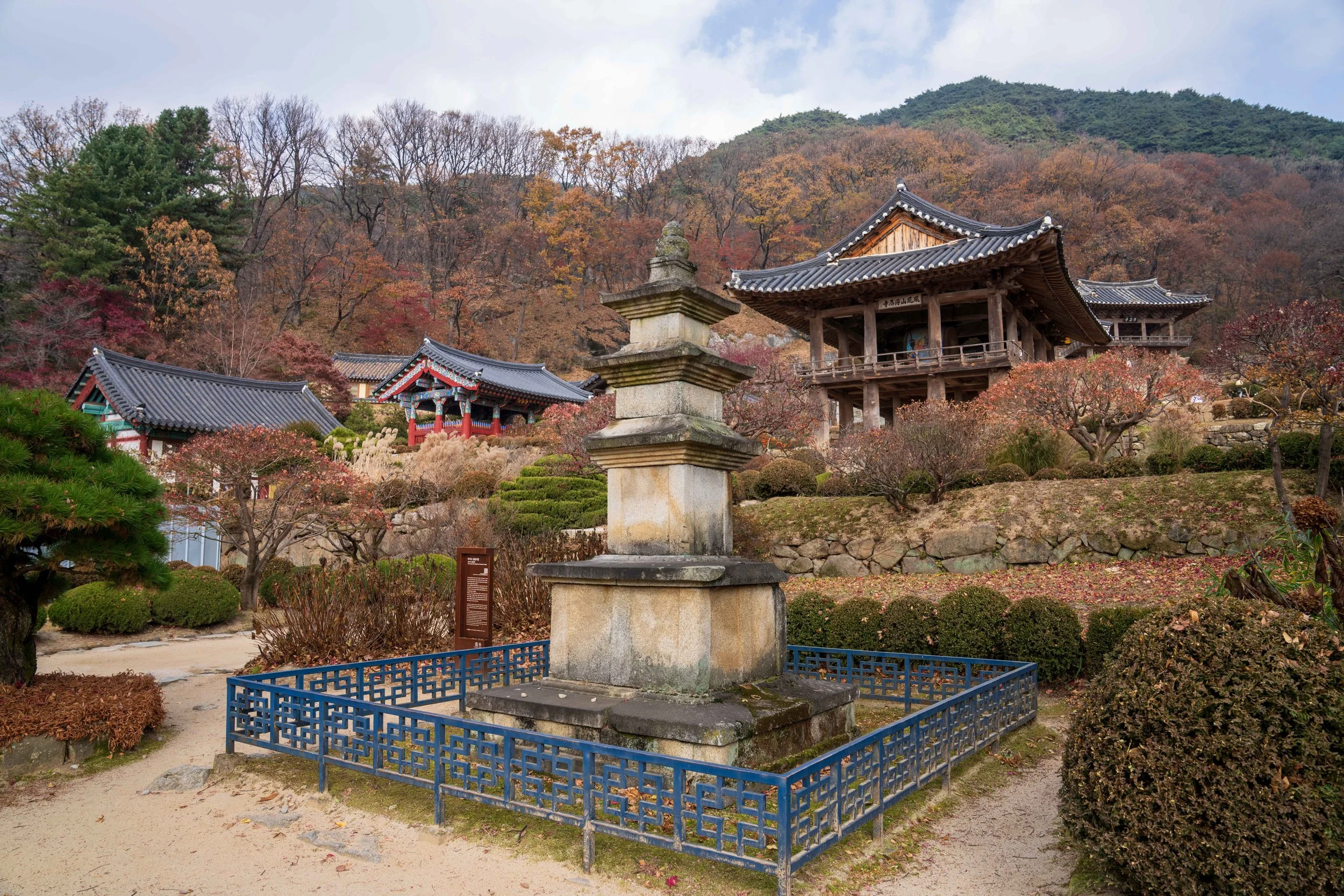
So, You Want to Visit South Korea? Here’s What You Can See Throughout the Year
So you want to visit South Korea? Here’s what you can see throughout the year…
Target Travel recently attended the Discover Korea 2026 roadshow, presented on behalf of the Korea Tourism Organization. After meeting with a wide range of Korean tourism operators, one thing became very clear: South Korea is not simply a destination for cherry-blossom season. Each month offers travellers something different.
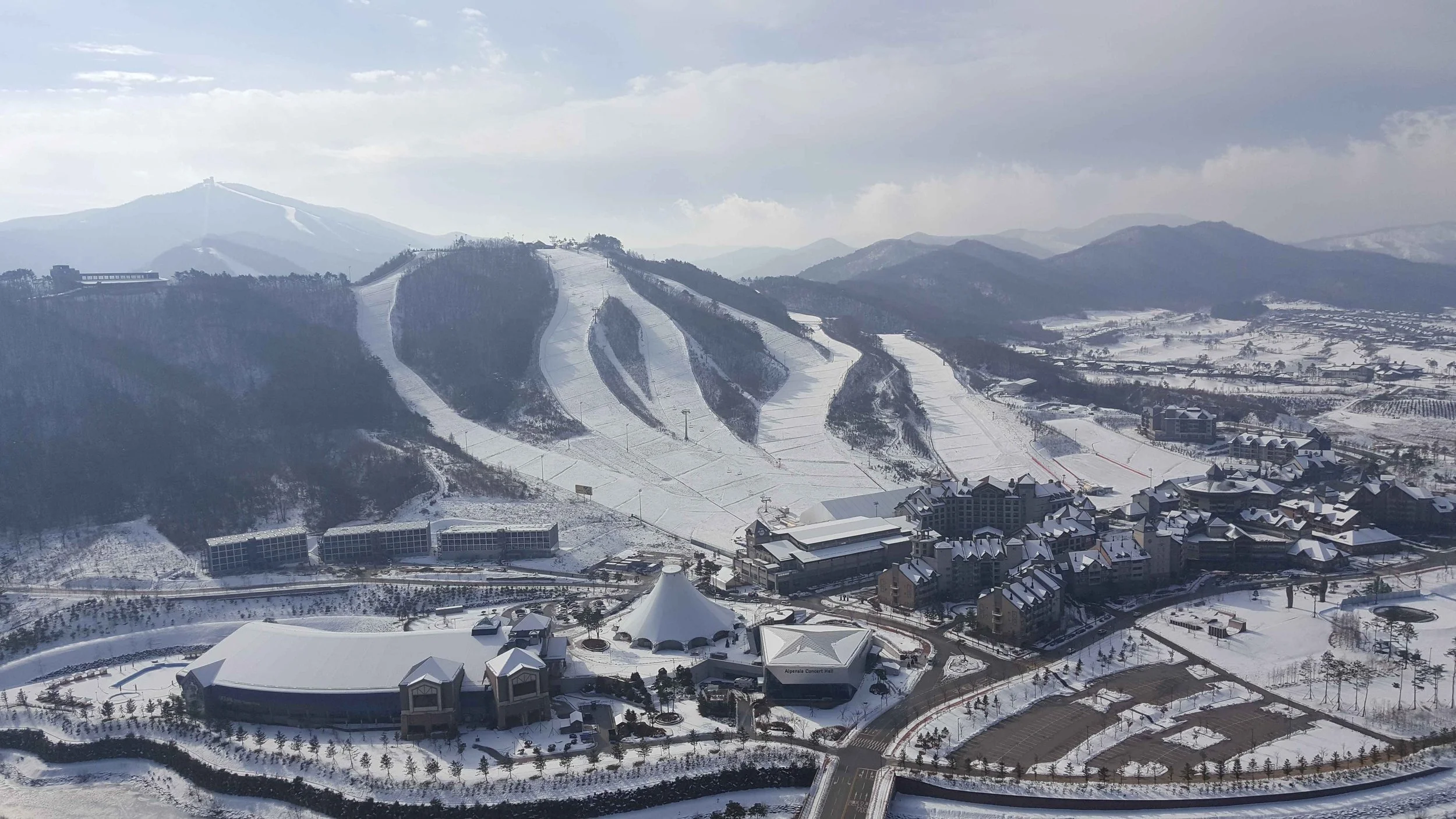
January
Embrace a true northern winter. Ski or snowboard in the mountains, warm up in a traditional bathhouse, and discover the comfort of Korean hotpots, soups and heated ondol floors.
February
Winter continues, with snow festivals and quieter sightseeing in Seoul, Busan and historic Gyeongju. The Lunar New Year, Seollal, can also fall in January or February, bringing traditional celebrations alongside some holiday closures.
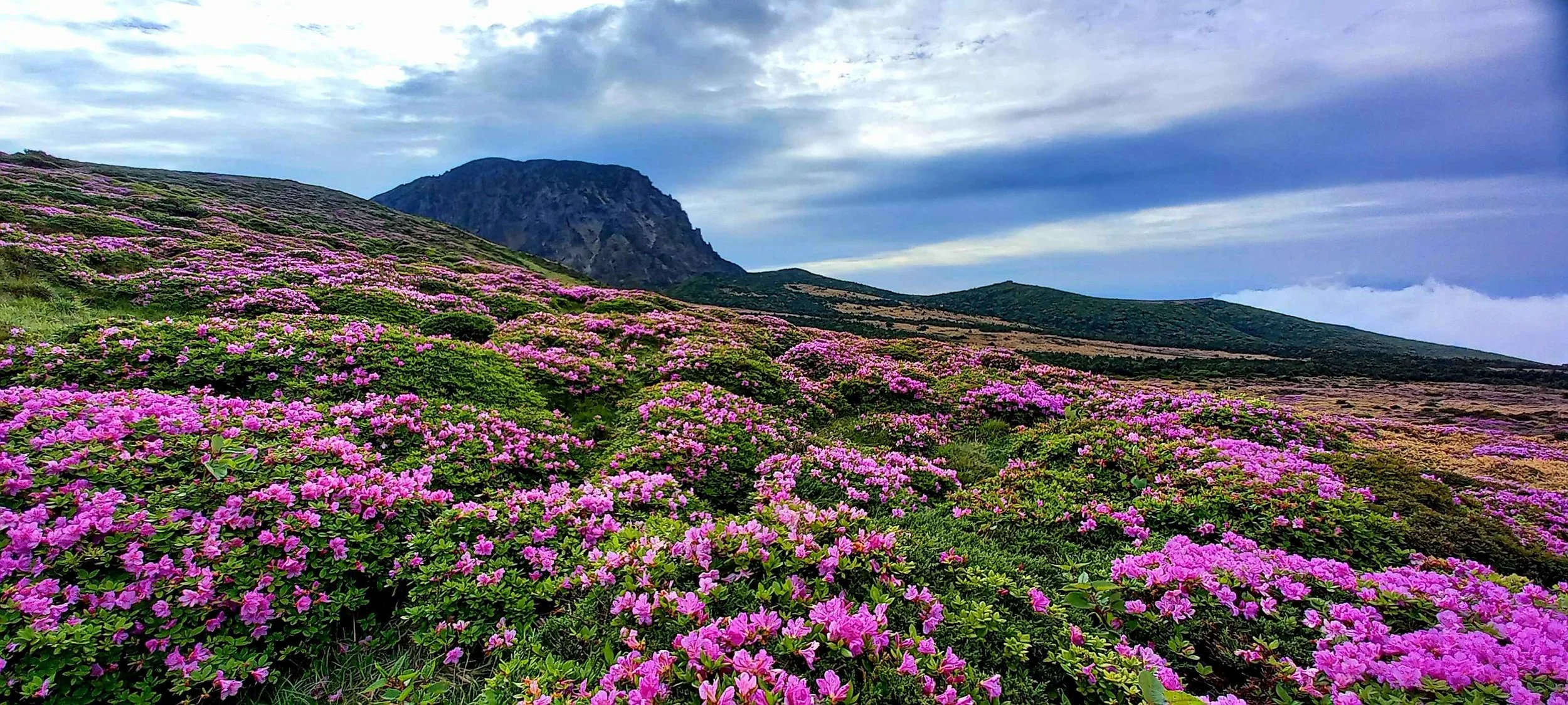
March
Spring begins in the south. Jeju Island is among the first places to show seasonal colour, with canola flowers and early blossoms creating beautiful landscapes.
April
This is Korea’s celebrated cherry-blossom season. The timing varies by region and weather, but late March to early April is usually the key period. Seoul’s parks, Gyeongju’s historic sites and Jinhae’s blossom-lined streets are especially popular.
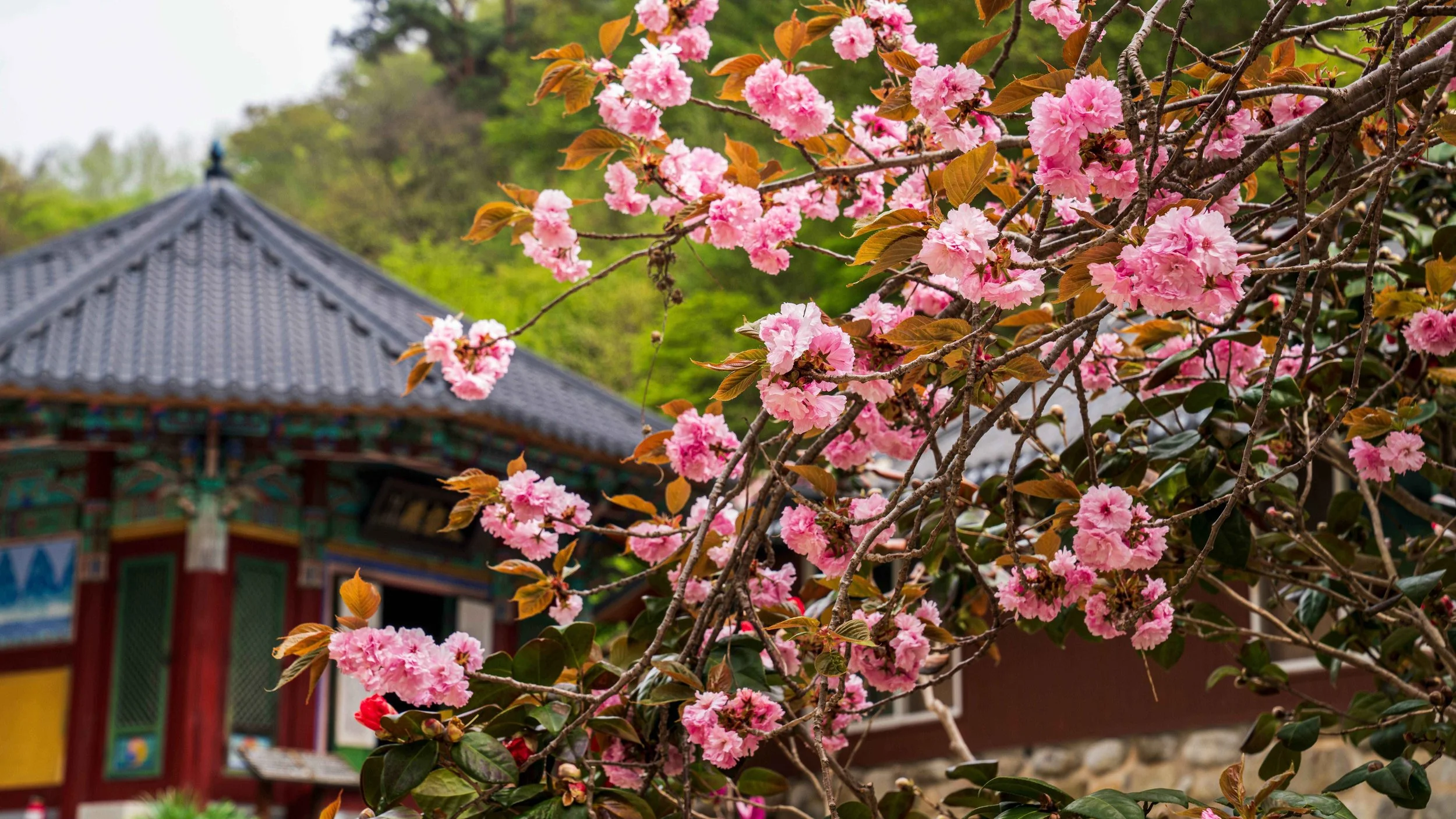
May
Warm but generally comfortable weather makes May ideal for walking, cycling and exploring Korea’s national parks. Buddhist temples are decorated with colourful lanterns around Buddha’s Birthday.
June
Early summer is a good time to combine Seoul with the coast, countryside or islands. Visit palaces, traditional villages and lively markets before the hottest weather arrives.
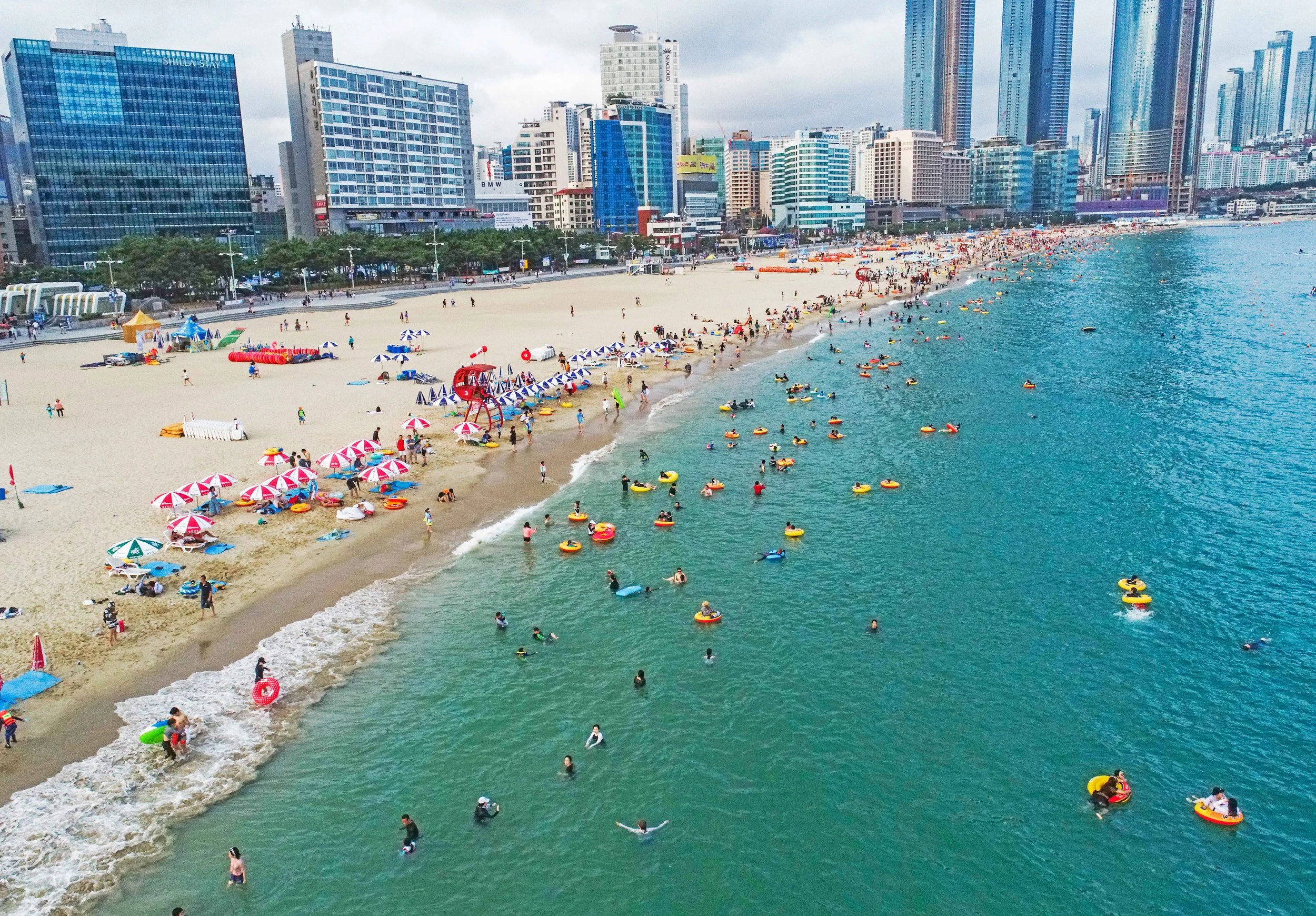
July
Summer brings heat, humidity and the rainy season—but also plenty of energy. Enjoy water parks, beach escapes and Korea’s famous summer festivals, then cool down with bingsu, the much-loved shaved-ice dessert.
August
Head for the coast. Busan’s beaches, Jeju Island and the eastern seaside cities come alive during Korea’s peak summer holiday period.
September
The weather begins to cool, making this a pleasant month for sightseeing. Depending on the lunar calendar, Chuseok—Korean Thanksgiving—may fall in September or October, offering an insight into one of the country’s most important traditions.
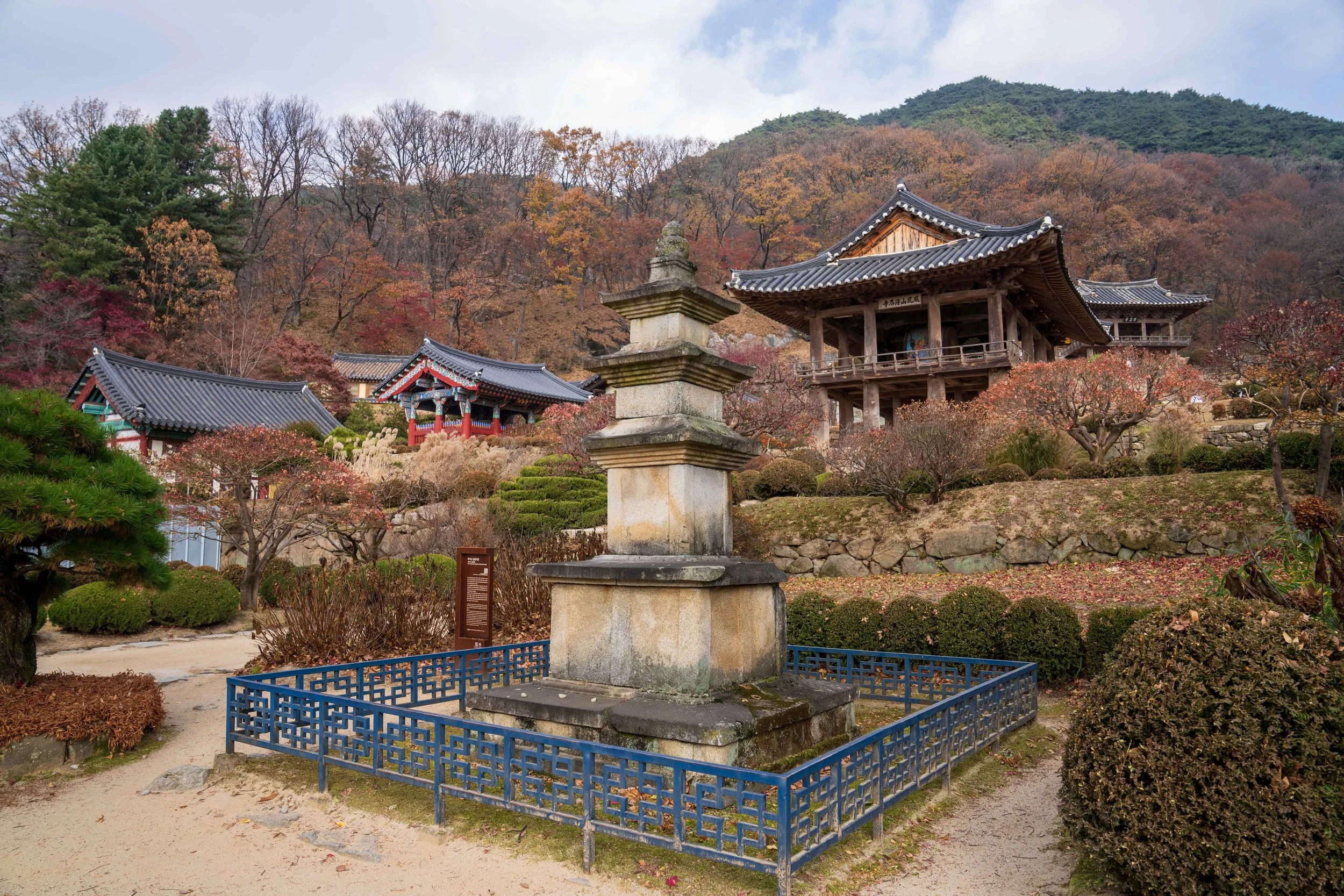
October
For many travellers, this is Korea at its best. Autumn colours spread through the national parks, while comfortable temperatures make it an excellent time for city walks, hiking and touring.
November
Autumn lingers in the south. It is also a wonderful month for food-focused travel, with cooler days perfect for exploring street-food stalls, traditional markets and Korea’s regional cuisines.
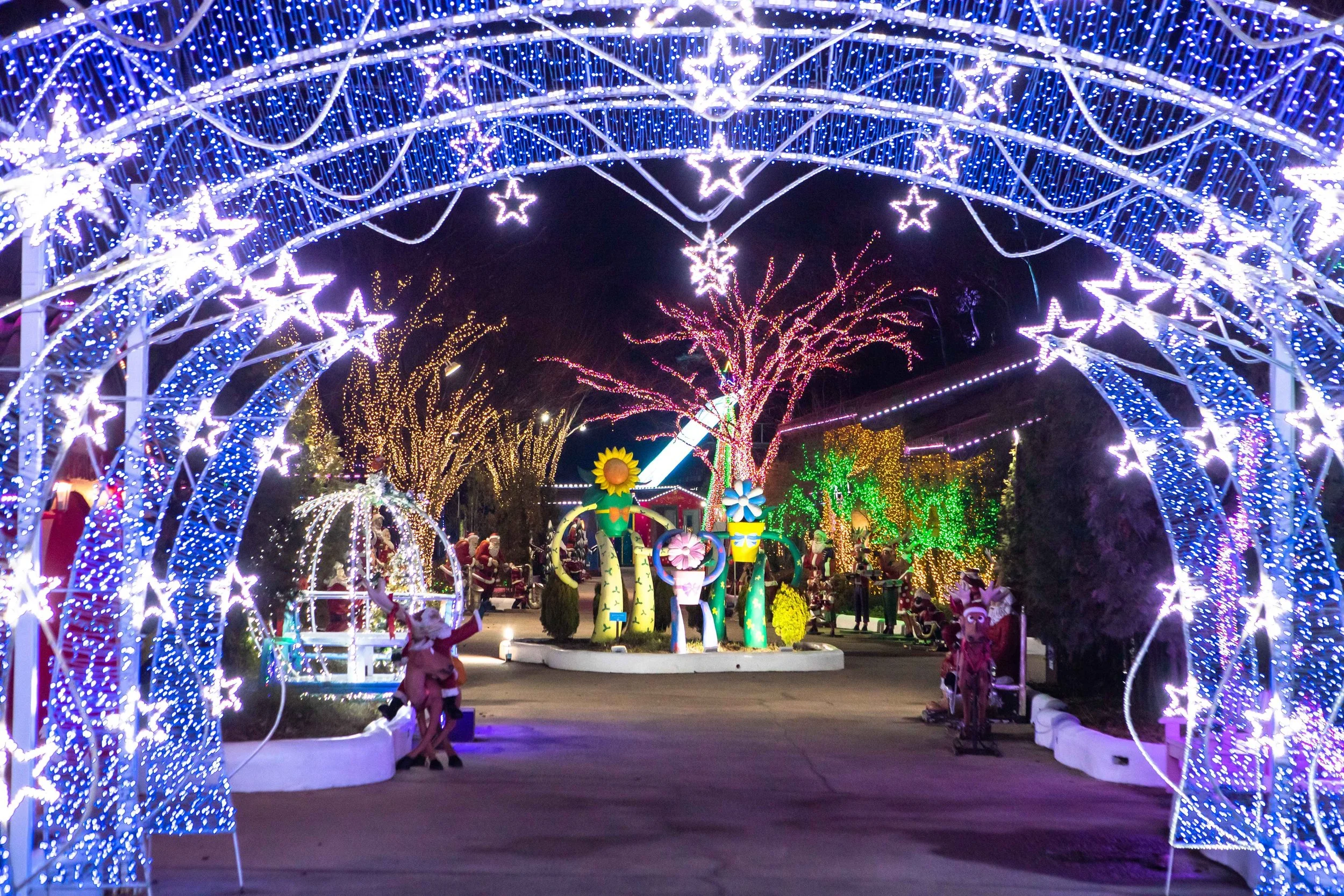
December
Winter illuminations appear, ski resorts reopen and Seoul takes on a festive atmosphere. It is cold, but also atmospheric—especially with a hot Korean barbecue meal waiting at the end of the day.
South Korea can be fast-paced, traditional, fashionable, peaceful and wonderfully unexpected—sometimes all in the same day. Seasonal dates, particularly blossoms and autumn colour, vary from year to year, so good planning matters.
Target Travel works with a range of experienced in-country operators and can help create the right itinerary, accommodation and experiences for the season you want to visit.
Talk to the team at Target Travel and let us help turn South Korea from an idea into a properly planned holiday.
Sri Lanka: Come for the Wellness, Stay for Everything Else
Image credit: Zelen Leisure
On 1 September 2026, Target Travel attended the Sri Lanka Tourism Networking & Roadshow 2026, meeting representatives from a wide range of Sri Lankan hotels, wellness resorts and destination specialists. What struck us was not simply how much there is to see, but how many different ways there are to experience this relatively compact island.
A destination where wellness means more than a spa treatment
Sri Lanka has a long tradition of Ayurveda, where wellness can incorporate diet, herbal treatments, massage, meditation and yoga rather than simply adding a massage to the end of a busy sightseeing itinerary. Sri Lanka Tourism itself positions Ayurveda, forest therapy, cuisine and ocean therapy as important parts of the country's wellness offering.
That came through very clearly in the people we met.
Properties such as Karunakarala Ayurveda Resort offer stays of one or two weeks, while Adhitya Ayurveda specialises in longer wellness and detox experiences. Siddhalepa Ayurveda combines accommodation with consultation, treatment and dietary programmes. Several of the destination specialists we met also build nine-day, two-week or longer programmes around Ayurveda, yoga and wellness.
For the traveller who is tired, stressed or simply wants a holiday that leaves them feeling better rather than needing another holiday when they get home, Sri Lanka deserves serious consideration.
You can make wellness the entire purpose of the journey, or combine several restorative days with wildlife, beaches, food and sightseeing.
Then there is the wildlife
This may be Sri Lanka's most underrated attraction.
Despite the island's relatively small size, its wildlife includes Asian elephants, leopards, sloth bears, monkeys, endemic birds, dolphins and whales. Sri Lanka Tourism describes the country as having exceptionally high biodiversity and highlights Yala National Park for its leopard population, as well as opportunities to see elephants and other wildlife across its protected areas.
And the wildlife doesn't stop at the coastline. Blue whales can be seen offshore, with whale-watching areas including Mirissa and Trincomalee, while Kalpitiya is particularly associated with dolphins.
One useful lesson from the operators wemet was to not automatically follow everyone else. Some specialise in wildlife experiences in parks adjacent to the most famous reserves, potentially creating a quieter and more personal experience. Others can arrange specialist guides, including experienced wildlife photographers.
That is exactly where using the right local knowledge can make a difference.
Go beyond the standard circuit
Sri Lanka has the obvious headline attractions: Sigiriya, Galle, Kandy, the Hill Country, tea plantations, beaches and ancient temples, but increasingly the appeal is in travelling beyond the checklist.
The operators at the roadshow talked about cycling, tuk-tuk journeys, markets, cooking with local families, spice plantations, walking and kayaking. There were opportunities for food tours led by chefs and wildlife experiences accompanied by specialist photographers.
One phrase I heard was: “Take tourists and turn them into travellers.”
That sums it up rather nicely.
The north also deserves attention. Restrictions affecting foreign travel to northern Sri Lanka were lifted in 2015, and today Sri Lanka Tourism describes reaching Jaffna as straightforward, with no special security clearance required for normal travel. Jaffna and the surrounding peninsula offer a distinctly Tamil cultural experience, Hindu temples, colonial history, islands and a cuisine quite different from that found farther south.
It adds another dimension to a country many visitors think they already understand.
Sri Lanka can also represent very good value
Another attraction is affordability.
Sri Lanka doesn't need to be an expensive destination. There are accommodation and touring options ranging from relatively simple experiences through to boutique and luxury travel, and having good people on the ground means an itinerary can be designed around your priorities and budget.
A practical point that came up at the roadshow was tipping. It is not something that needs to dominate your travel budget. As a simple planning guideline, if you want to be a generous tipper, we suggest you allow around USD10 per person, per day and adjust according to the service you receive.
We know people on the ground
One thing became very apparent during the roadshow: Sri Lanka has no shortage of excellent inbound travel specialists.
Target Travel has contacts with operators specialising in private travel, small groups, cycling, food, wildlife, wellness, luxury travel, active holidays, female-only itineraries and off-the-beaten-track experiences. Some concentrate on groups of only six or twelve people; others create completely bespoke private itineraries.
Rather than telling you there is one "right" operator, we'd prefer to understand how you want to travel and match you with the appropriate people in Sri Lanka.
And if you've already found a Sri Lankan operator whose itinerary appeals to you, tell us who you'd like to travel with. We can investigate the options.
More than a holiday destination
There is another reason Sri Lanka is particularly interesting for New Zealand travellers.
Our countries already have genuine people-to-people connections through the Sri Lankan community in New Zealand, education, tourism and sport. We're both island nations, both Commonwealth countries and, of course, we have a longstanding relationship through cricket. New Zealand's Ministry of Foreign Affairs describes the relationship as “warm and growing”, with tourism one of the areas in which the two countries have opportunities to strengthen their links.
Tourism can be part of something deeper than collecting another country.
Travel slowly. Meet people. Eat locally. Spend money in communities. Learn something about a culture rather than simply photographing it.
Visit Sri Lanka once, sure. But perhaps the better ambition is to build a relationship with the country that gives you reasons to return.
Thinking about Sri Lanka?
Talk to Target Travel about what interests you most - a dedicated wellness retreat, wildlife, food and culture, a private tailor-made journey, active travel or a combination of them all.
We have people on the ground. Let us help you build the right Sri Lankan experience.
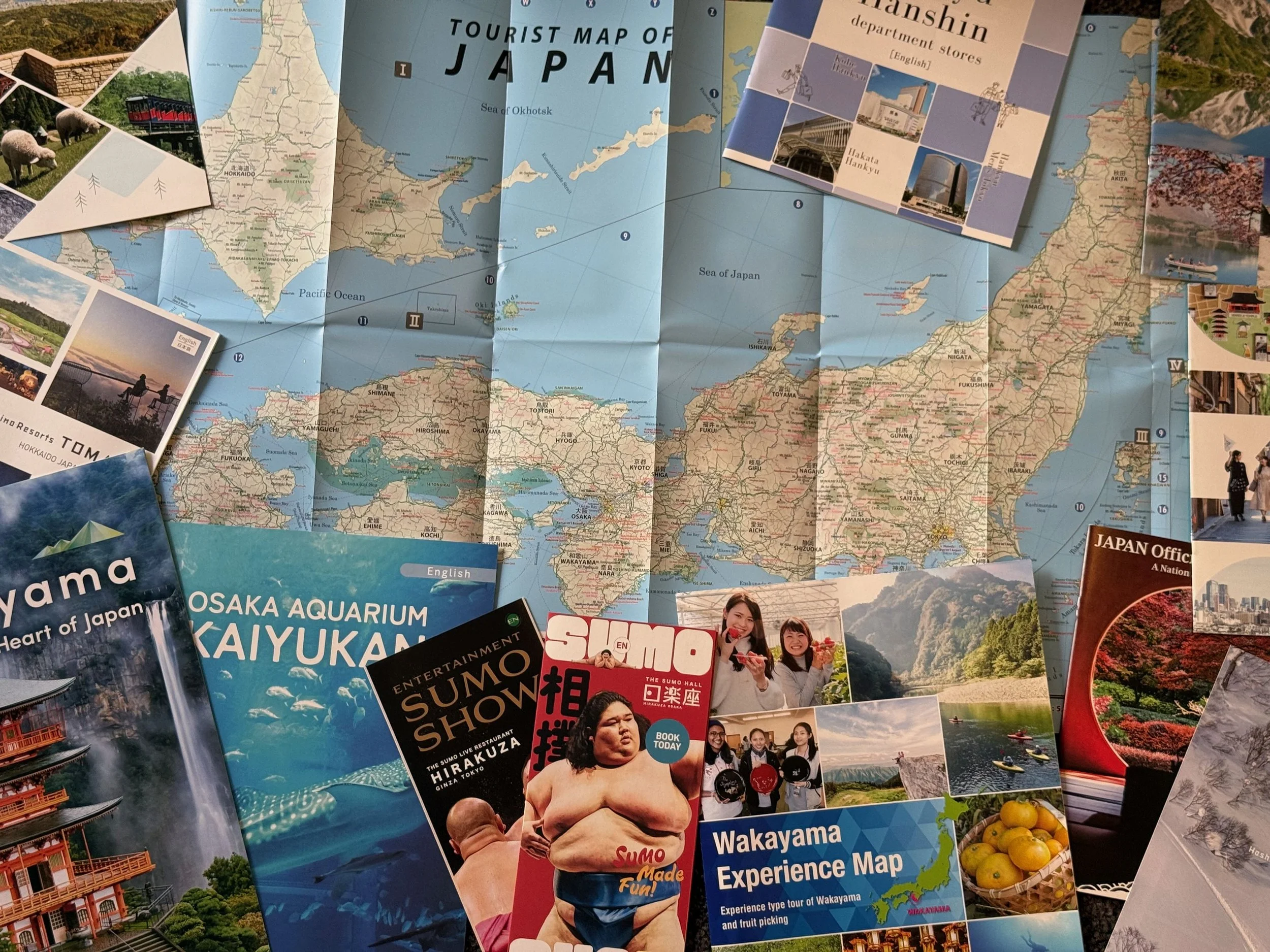
Japan: So Much More to Discover
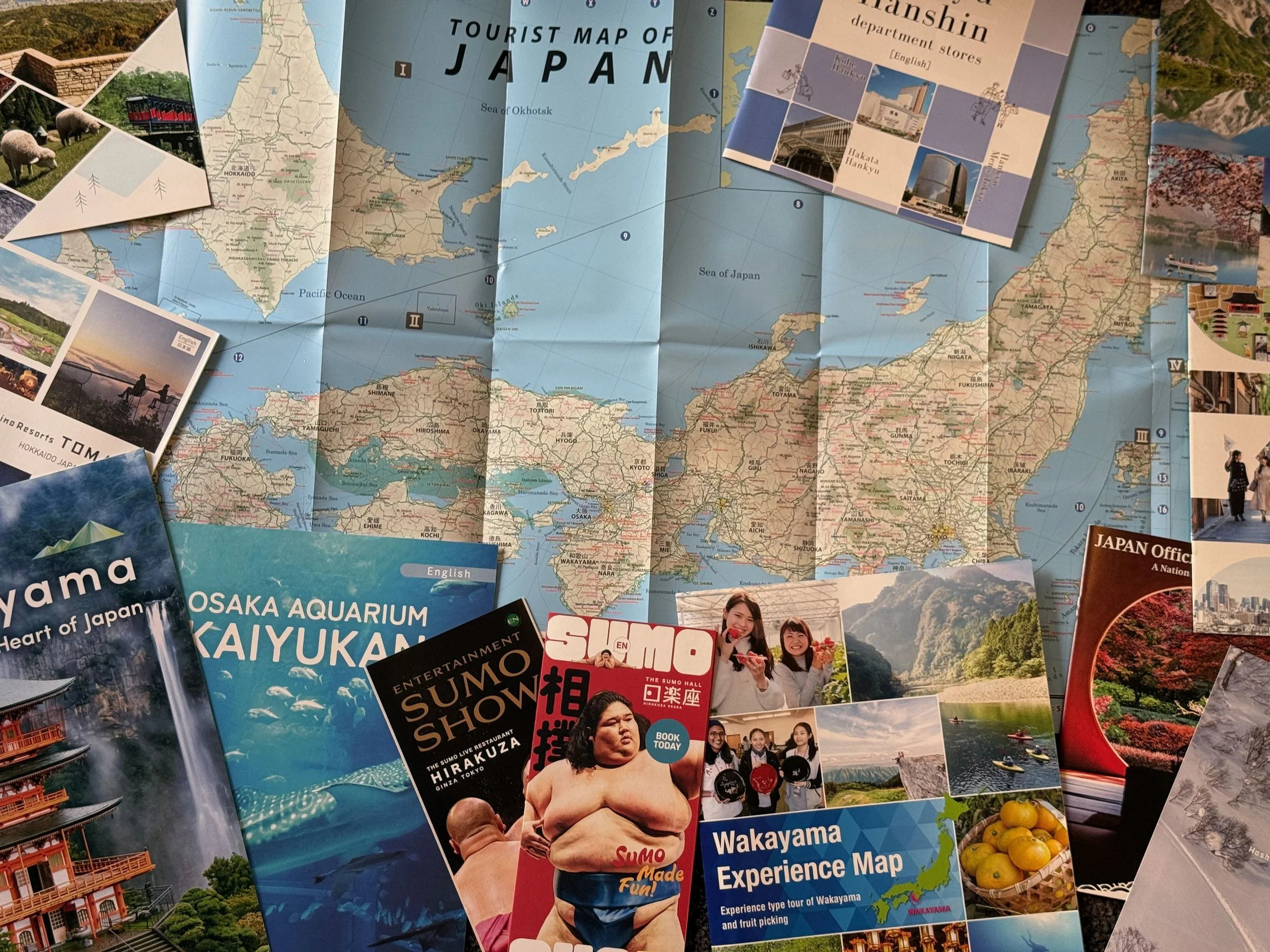
Japan continues to be one of the most exciting destinations for New Zealand travellers, and one of the great things about it is that one visit is rarely enough.
Tokyo, Kyoto and Osaka might be the starting point, but Japan rewards travellers who venture further. Ski fields, pilgrimage trails, regional cities, mountain resorts, hot springs, world-class rail journeys and experiences ranging from sumo to aquariums mean that Japan can be a completely different holiday each time you visit.
On 20 August 2026, the Japan National Tourism Organization (JNTO) brought a broad range of Japanese travel partners to Auckland for the JNTO Japan Roadshow. The event was designed to give the New Zealand travel industry deeper knowledge of destinations and suppliers from around the country.
The supplier line-up also provided plenty of inspiration for holidays that go beyond the obvious.
Travel Japan by rail
Japan's railway network is part of the experience rather than simply a way of getting from A to B.
Central Japan Railway Company (JR Central) operates the Tokaido Shinkansen linking Tokyo with Nagoya, Kyoto and Osaka – the backbone of the classic Japan journey. It also provides connections towards destinations including the Japanese Alps, the Mt Fuji region and the Kii Peninsula.
FUJI KYUKO represents another side of Japanese rail travel, providing access towards the Mt Fuji and Lake Kawaguchiko area. For travellers wanting more than a photograph of Fuji from a train window, spending a night or two around the mountain can completely change the experience.
The roadshow also included JR Central Hotels, Meitetsu World Travel and Tourism Designers (NAGOYA DMC) – useful reminders that Nagoya and Central Japan deserve consideration as destinations in their own right rather than simply places passed through between Tokyo and Kyoto.
Japan in winter
Japan has become a favourite ski destination for New Zealanders, and the Auckland event included some particularly interesting winter partners.
Hakuba, Japan Alps is already well known to Kiwi skiers and snowboarders, while Hakuba Tsugaike Mountain Resort offers a large range of terrain in the Hakuba Valley. Importantly, the area isn't just about winter: the mountains and Tsugaike Nature Park also make this an attractive hiking and alpine destination during the warmer months.
Further north, Hoshino Resorts TOMAMU in Hokkaido offers another style of snow holiday. Alongside skiing and Hokkaido powder, Tomamu's winter experiences include its remarkable Ice Village and the Terrace of Frosted Trees. For the 2026/27 winter season, the ski area is scheduled to offer 29 courses across two mountains.
Look beyond the Golden Route
One of our strongest recommendations for repeat visitors to Japan is simple: go somewhere you haven't heard quite so much about.
The Fukushima Prefectural Government was represented at the Auckland roadshow. Fukushima is only around 90 minutes north of Tokyo and combines historic towns, mountain landscapes, food, seasonal scenery and traditional culture – making it a realistic addition to a Tokyo itinerary rather than a major detour.
Kobe Tourism Bureau also attended. Kobe makes an excellent addition to a Kansai itinerary, particularly for travellers who have already explored Kyoto and Osaka and want to slow the pace down.
Then there is Koyasan & Kumano, Wakayama. This is a very different Japan. Koyasan has more than 1,200 years of Buddhist history, with temple accommodation available for visitors, while the Kumano Kodo pilgrimage trails run through the sacred mountains of the Kii Peninsula.
It is exactly the sort of region that can turn a second or third trip to Japan into something memorable.
Experiences matter too
Japan isn't only about sightseeing.
In Osaka, Osaka Aquarium Kaiyukan is home to around 30,000 marine creatures representing Pacific Rim ecosystems, including its famous whale sharks.
For something very different, Sumo Entertainment HIRAKUZA brings the world of sumo into an accessible entertainment experience at The Sumo Hall HIRAKUZA Osaka in Namba.
Experiences like these are useful additions to an itinerary because they provide a break from the temples, shrines, shopping streets and sightseeing that can otherwise make a busy Japan holiday feel rather full.
Finding the right place to stay
The accommodation partners represented in Auckland also showed just how much choice Japan now offers.
They included Apartment Hotel MIMARU, Fujita Kanko / WHG Hotels, Mitsui Fudosan Hotel Management, Miyako Hotels & Resorts, Orix Hotels & Resorts, Tobu Hotels and JR Central Hotels.
We were particularly interested in Apartment Hotel MIMARU for families and groups. Its properties in Tokyo, Kyoto and Osaka offer larger apartment-style rooms with kitchens, dining areas and room configurations suitable for several people travelling together – a useful alternative to booking several conventional Japanese hotel rooms.
Putting all the pieces together
The other important part of planning Japan is making everything connect.
The roadshow included specialist travel and ground-service companies such as Big Holiday International, HANATOUR JAPAN, Ibt Travel, JAPAN HOLIDAY TRAVEL, Meitetsu World Travel, Tourism Designers (NAGOYA DMC), tsunagu Japan TRAVEL / D2C X Inc., along with a specialist Japan airport transfer and charter / Hakuba transfer provider. JNTO's Sydney Office was also represented.
These relationships matter. Japan can be remarkably easy to travel around, but there is an enormous amount of choice. Knowing how to combine flights, rail, transfers, hotels and experiences can turn a collection of bookings into a much better holiday.
Where will your Japan journey take you?
Perhaps your first Japan trip should include Tokyo, Kyoto and Osaka.
But your second might be completely different.
You could ski in Hakuba or Hokkaido. Explore Mt Fuji and the surrounding lakes. Spend a night in a Buddhist temple at Koyasan. Walk part of the Kumano Kodo. Discover Fukushima or Kobe. Ride the Shinkansen simply because travelling by train in Japan is an experience in itself.
That's what makes Japan such an extraordinary destination.
If Japan is on your list for 2026, 2027 or beyond, talk to Target Travel. We can help turn the enormous range of possibilities into an itinerary that suits how you actually want to travel – whether this is your first trip to Japan or your fifth.

Target Travel turns 39!

On 11th August 2026, Target Travel celebrates 39 years in business.
A lot has changed in travel since 1987. Airlines have come and gone, destinations have opened up, technology has transformed the way we book, and travellers now have more choices than ever before.
But one thing hasn’t changed: travel is personal.
For 39 years, Target Travel has helped New Zealanders turn plans, ideas and dreams into real journeys - whether that means a family holiday, a long-awaited adventure, a business trip or simply getting somewhere important with as little stress as possible.
We’re proud to still be here, still independent, and still helping our clients navigate an increasingly complicated world of airfares, accommodation, tours, cruises and travel arrangements.
Most importantly, we’re grateful.
Thank you to everyone who has travelled with Target Travel, recommended us, supported us and trusted us over the past 39 years.
We wouldn’t still be here without you.
Here’s to the journeys already taken, and the many more still to come.
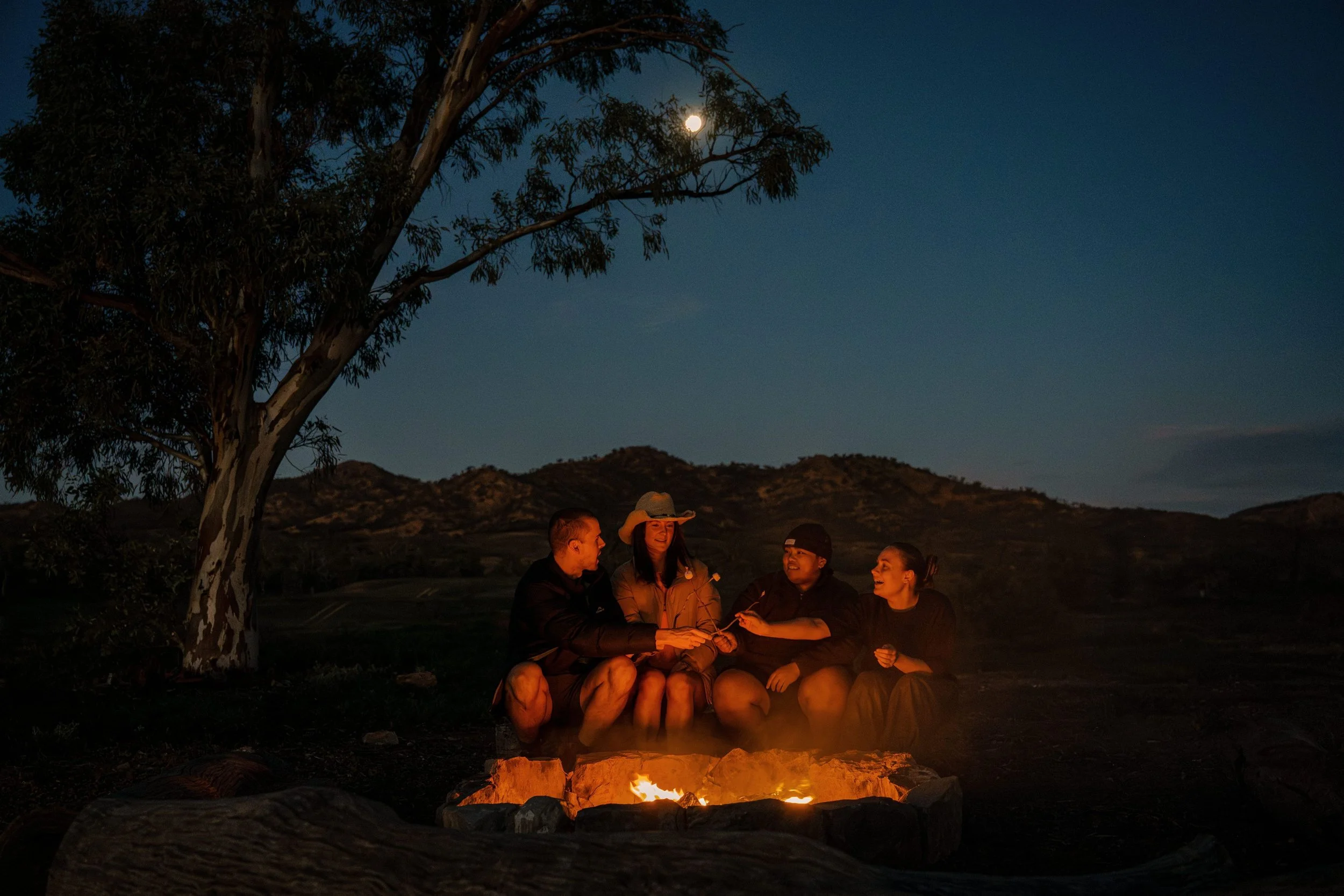
South Australia: The Perfect Place for a Digital Detox
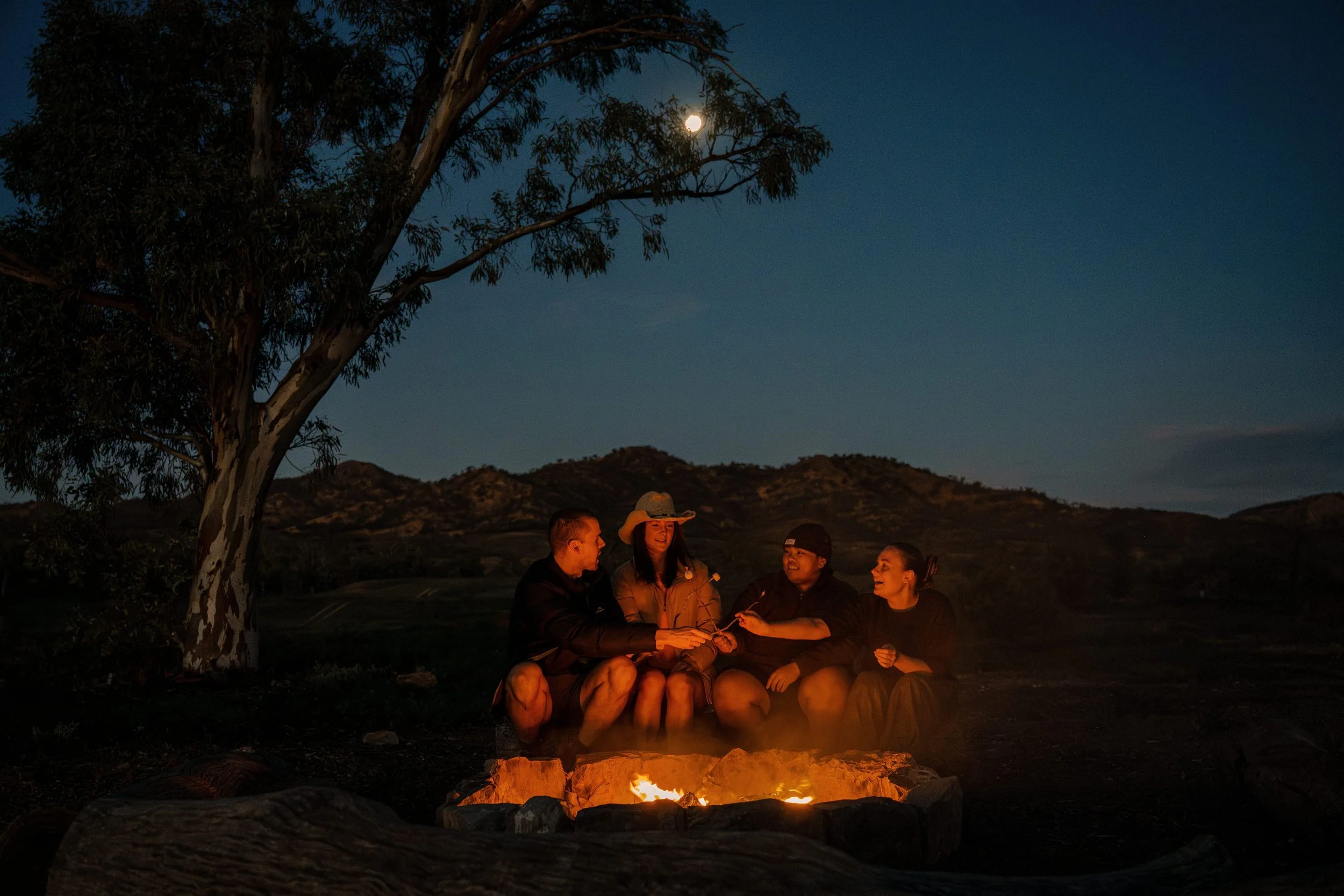
Flinders Ranges & Outback |Credit: South Australian Tourism Commission
When was the last time you went somewhere and genuinely switched off?
Not just putting your phone on silent while still checking emails over breakfast. We mean properly disconnecting - slowing down, getting outside and remembering what it feels like to have nowhere else you need to be.
South Australia may be one of the best places to do it.
Beyond Adelaide, the state quickly opens into an extraordinary collection of coastlines, national parks, walking trails, wine regions and vast Outback landscapes. This is a destination where the journey itself becomes part of the holiday: driving quiet roads, walking through ancient landscapes, watching wildlife or simply sitting somewhere spectacular as the sun goes down.
Kangaroo Island is an obvious place to begin. Its rugged coastline, wildlife and Flinders Chase National Park provide plenty of reasons to leave the phone behind. Head further north and the experience becomes even more dramatic. Around five hours from Adelaide, the Flinders Ranges rise out of the plains in red and purple folds, surrounded by the enormous spaces of the South Australian Outback.
Stay after dark and there's another reason not to stare at a screen. With little artificial light, the Flinders Ranges and Outback offer exceptional stargazing, including the International Dark Sky Sanctuary at Arkaroola. Sometimes the best evening's entertainment really is simply looking up.
A digital detox doesn't have to mean roughing it, either. South Australia has secluded cabins, glamping, eco accommodation and remote nature stays where comfort and isolation can happily coexist. Some retreats are sufficiently remote that mobile coverage disappears altogether - removing the temptation for you.
You could cycle the Riesling Trail in Clare Valley, walk beside the ocean, explore the Eyre Peninsula or find a quiet beach and do very little at all. That's really the point.
South Australia isn't a destination you need to race around collecting photographs of.
Go slowly. Look around. Put the phone away. And give yourself permission to be temporarily unavailable.
For more information visit Tourism South Australia.
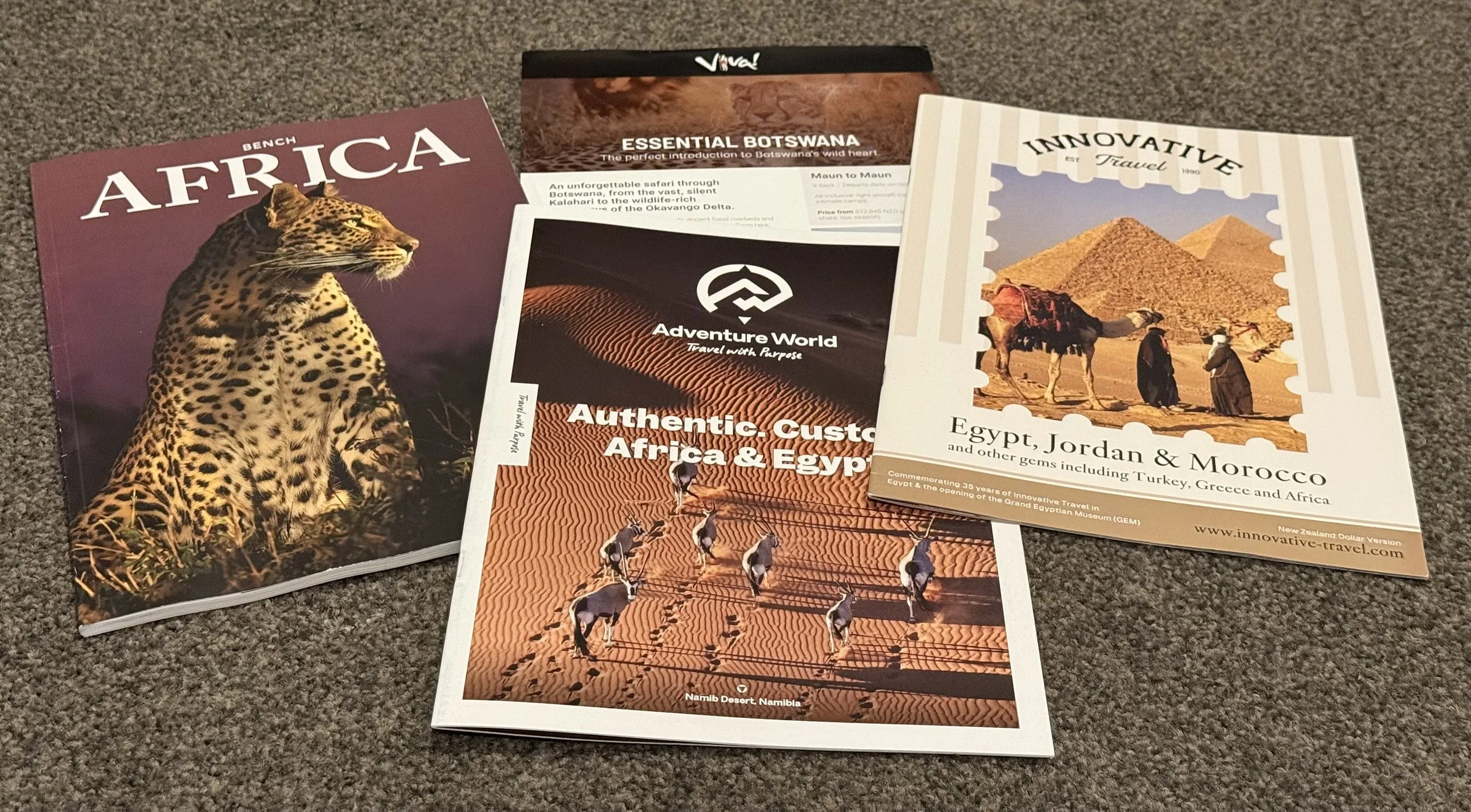
Africa Is Closer Than You Think
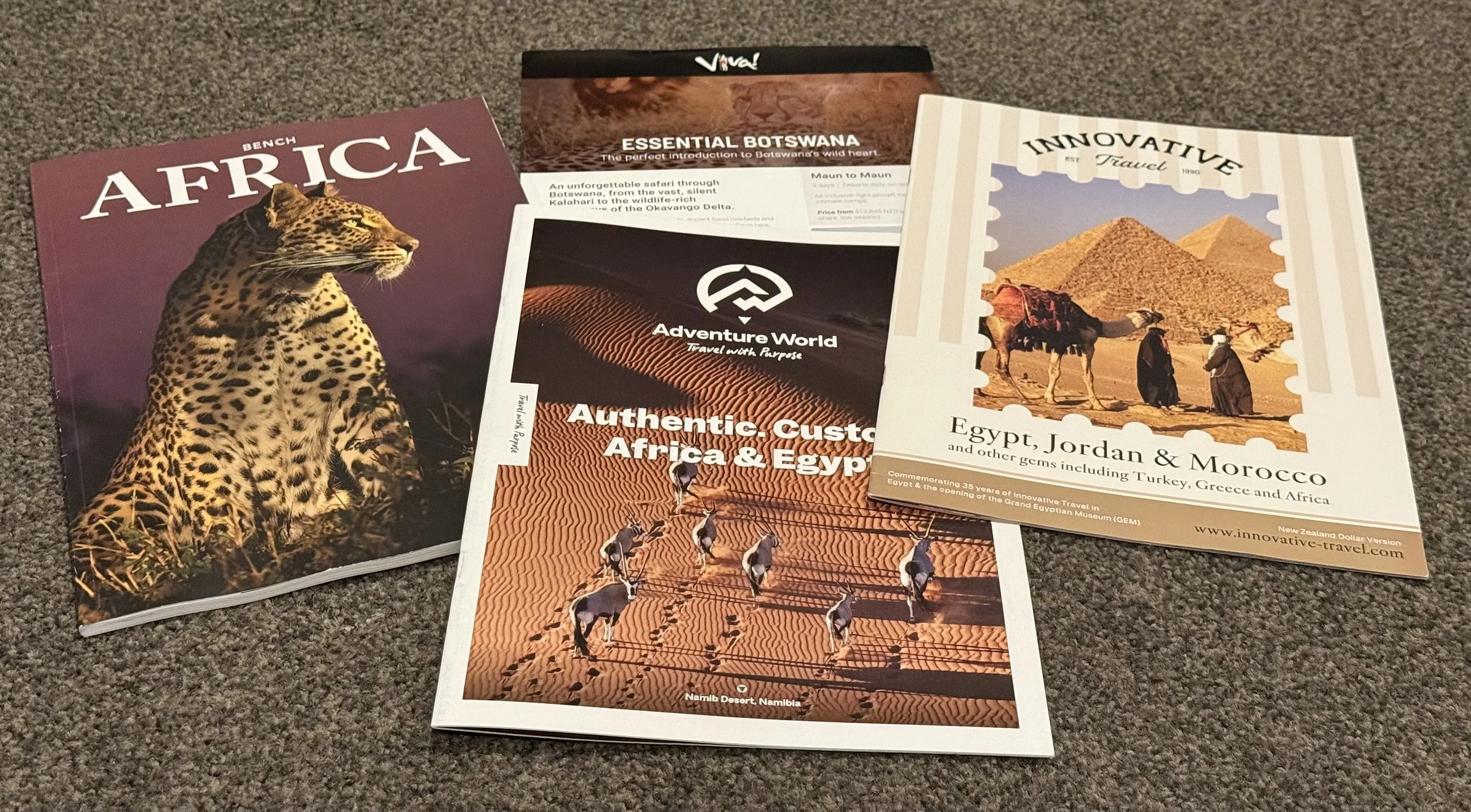
Africa has always occupied a special place in the traveller’s imagination with vast landscapes, extraordinary wildlife, rich cultures and experiences that simply cannot be replicated anywhere else.
After attending the Africa Showcase in Auckland, one message came through clearly: Africa is not only for the ultra-luxury traveller, nor does it need to remain indefinitely on the “one day” list.
There are ways to experience the continent at almost every level—from self-drive holidays and small-group overland adventures to private game reserves, luxury lodges and some of the world’s most elegant train journeys.
We also heard that New Zealand has been one of South Africa’s strongest post-pandemic growth markets. Australasian travellers are returning to Africa with confidence and often staying longer once they arrive.
South Africa: an ideal introduction
For many New Zealand travellers, South Africa is the natural place to begin.
The country combines wildlife, cities, wine regions, beaches, food, history and culture within one remarkably varied destination. South African comedian Trevor Noah captures some of this personality in the country’s international tourism campaign — presenting South Africa as welcoming, energetic and impossible to define through just one experience.
A first visit might combine Cape Town and the Winelands with a safari in or around Kruger National Park. Travellers with more time could add the Garden Route, Johannesburg, Pretoria or KwaZulu-Natal.
Durban deserves particular attention. It offers a coastal city atmosphere, warm weather, Indian-influenced cuisine and access to Zulu culture. It can also be combined with nearby wildlife areas, making it possible to experience the beach, a vibrant city and Big Five country within the same holiday.
The key takeaway from the Durban representatives at the showcase was simple: value for money.
Kruger: public park or private reserve?
Kruger National Park remains one of Africa’s defining safari destinations.
One of the most important planning decisions is whether to stay inside the public national park, in a private lodge concession or in one of the private reserves bordering Kruger.
A public national park experience
Kruger can be explored in your own vehicle, making it an excellent option for independent travellers. Accommodation ranges from straightforward public rest camps to more exclusive lodges operating within park concessions.
A self-drive safari offers:
Greater independence and flexibility
More affordable accommodation choices
The excitement of finding wildlife yourself
The ability to travel at your own pace
It also requires more preparation. You must follow park roads, opening hours and wildlife rules, and sightings are entirely dependent on patience, timing and good fortune.
A private game reserve experience
A private reserve normally offers guided game drives, smaller lodges and a more personalised programme. Depending on the reserve, guides may be permitted to travel off-road for particular sightings, while the number of vehicles around an animal is often controlled.
Private lodge packages commonly include meals, game drives and selected activities. They cost more, but they remove much of the logistical work and can provide a deeper understanding of animal behaviour, conservation and the surrounding ecosystem.
Neither option is automatically better. The right choice depends on your budget, confidence, interests and desired level of comfort. Many of the best itineraries combine both.
The Aquila Collection also offers accessible safari experiences in South Africa’s Western Cape. Its portfolio includes Big Five reserves and the impressive Kuganha Luxury Tented Lodge, creating opportunities to add a wildlife experience without travelling all the way to Kruger.
For families or travellers seeking a more hotel-style base near safari country, the Radisson Safari Hotel Hoedspruit offers another approach, including family-friendly facilities and access to the wider Kruger-to-Canyons region.
East Africa: iconic wildlife and remarkable seasons
While South Africa is a wonderful starting point, Kenya and Tanzania offer an entirely different safari atmosphere.
In northern Kenya, Samburu is known for species that are less commonly seen elsewhere. Collectively known as the Samburu Special Five, these include the reticulated giraffe, Grevy’s zebra, Somali ostrich, gerenuk and beisa oryx.
The region feels drier, more remote and visually distinct from the greener plains of the Maasai Mara.
Further south, Ashnil Mara Camp sits inside the Maasai Mara National Reserve, close to the Mara River. Although the famous river crossings receive much of the attention later in the year, the Mara is a rewarding wildlife destination in other months too. April can offer excellent opportunities for travellers particularly interested in the region’s lions, leopards and cheetahs, often with fewer visitors than during the migration peak.
In Tanzania, February and March can be extraordinary in the southern Serengeti and Ndutu region. This is the calving stage of the Great Migration, when enormous herds gather on the short-grass plains.
The sheer number of newborn animals also attracts predators. It can be an intense, dramatic and deeply moving time to visit.
Africa is strongly seasonal, but there is no single “best” month for everyone. The right season depends on whether your priority is migration, big cats, birdlife, fewer vehicles, photography, greenery or dry-season game viewing.
Botswana and Zambia: water, wilderness and space
Botswana offers some of the continent’s most distinctive landscapes.
The Okavango Delta is a vast inland wetland where channels, floodplains and islands create an unusual combination of land- and water-based safari experiences. Depending on the season and location, travellers may explore by game-drive vehicle, boat or traditional mokoro canoe.
Botswana is particularly suited to travellers seeking space, exceptional guiding and a feeling of remoteness.
Zambia should also be high on the list, especially for repeat safari travellers.
One of the standout combinations presented at the showcase was Royal Zambezi Lodge and Lion Camp. The eight-day journey links the Lower Zambezi with South Luangwa, combining river activities, game drives and walking safaris.
Lion Camp sits within South Luangwa National Park, an area celebrated for leopards and guided walking safaris. Royal Zambezi Lodge adds the river dimension, with opportunities for canoeing, cruises, fishing and wildlife viewing along the Zambezi.
Africa by road—or by rail
A safari does not always need to begin with a flight into a luxury lodge.
South Africa is well suited to carefully planned self-driving. This can work particularly well when combining Cape Town, the Winelands, the Garden Route and selected wildlife areas. Accommodation groups such as Dream Hotels & Resorts provide options across multiple regions, allowing travellers to build a more independent itinerary.
For those who want a longer and more social adventure, Nomad Africa Tours & Safaris offers extensive small-group journeys. Its tour range includes 42-day and 57-day itineraries crossing multiple countries and ecosystems.
We were interested to hear that many Nomad guests are aged 55 and over. African overland travel is not reserved for backpackers in their twenties. Travellers with time, curiosity and a sense of adventure can experience a substantial section of the continent through one extended journey.
At the opposite end of the transport spectrum is Rovos Rail.
Based in Pretoria, Rovos Rail recreates the romance of elegant rail travel through Southern Africa. Journeys include accommodation, meals, drinks and excursions, allowing guests to unpack and watch the landscapes unfold.
It is also an experience with a sense of occasion. Dinner is formal, and gentlemen should remember to pack a jacket and tie.
Beyond safari: Morocco’s Atlas Mountains
Africa should not be considered only as a wildlife destination.
In Morocco, Kasbah Tamadot offers a completely different experience. Part of Sir Richard Branson’s Virgin Limited Edition collection, the retreat sits in the foothills of the Atlas Mountains, approximately an hour from Marrakech.
Its individually designed rooms, riads and Berber-style tents combine mountain scenery, Moroccan hospitality and quiet luxury. It could form part of a broader Moroccan journey or provide a relaxing conclusion after the colour and energy of Marrakech.
Is Africa more affordable than you think?
One of the strongest messages from the showcase was that Africa can represent excellent value - especially when meals, game drives and activities are included in a lodge package.
South Africa can be particularly attractive for New Zealand travellers. In late July 2026, one New Zealand dollar was worth approximately 9.6 to 9.8 South African rand, although exchange rates naturally change.
That does not make every African safari inexpensive. Remote camps may require charter flights, specialist guides and substantial conservation fees. However, the range of choices is far wider than many travellers realise.
The most important advice is to book early. For popular camps, migration periods, small lodges and rail departures, planning around a year ahead is sensible.
Practical considerations for New Zealand travellers
New Zealand passport holders currently do not require a visitor visa for South African holiday or business visits of up to 90 days. South Africa has also introduced an Electronic Travel Authorisation platform as part of its move towards digital border processing. Visa-exempt travellers may use the ETA to help facilitate processing, but requirements are evolving and should always be checked before departure.
Health requirements vary considerably between countries and even between regions within the same country.
Kruger National Park is situated in a malaria-risk area. SANParks says the risk is generally low but is highest between November and April, and travellers should discuss mosquito precautions and preventative medication with a medical professional.
Routine immunisations should be current, while additional vaccinations or documentation may be recommended depending on the itinerary, stopovers and whether the traveller has passed through a yellow-fever area.
Water safety should also be assessed locally rather than making assumptions across an entire continent. Where tap-water safety is uncertain, use factory-sealed bottled water or properly treated water, including when brushing your teeth.
Comprehensive travel insurance is essential, including cover for emergency treatment and medical evacuation. New Zealand travellers should also review the current SafeTravel guidance for every country on their itinerary.
Your African journey should be designed around you
The most important lesson from the Africa Showcase was that there is no single way to experience Africa.
It might be your first view of an elephant beside a Kruger waterhole. It might be following the migration through Tanzania, gliding through Botswana’s wetlands, walking through South Luangwa, crossing Southern Africa by train or drinking mint tea beneath Morocco’s Atlas Mountains.
The best African holidays balance wildlife, culture, comfort, season, budget and travel time. They also benefit enormously from thoughtful planning.
Talk to Target Travel about creating an African itinerary that matches the way you want to travel. Africa may be more achievable, and more varied, than you imagined.
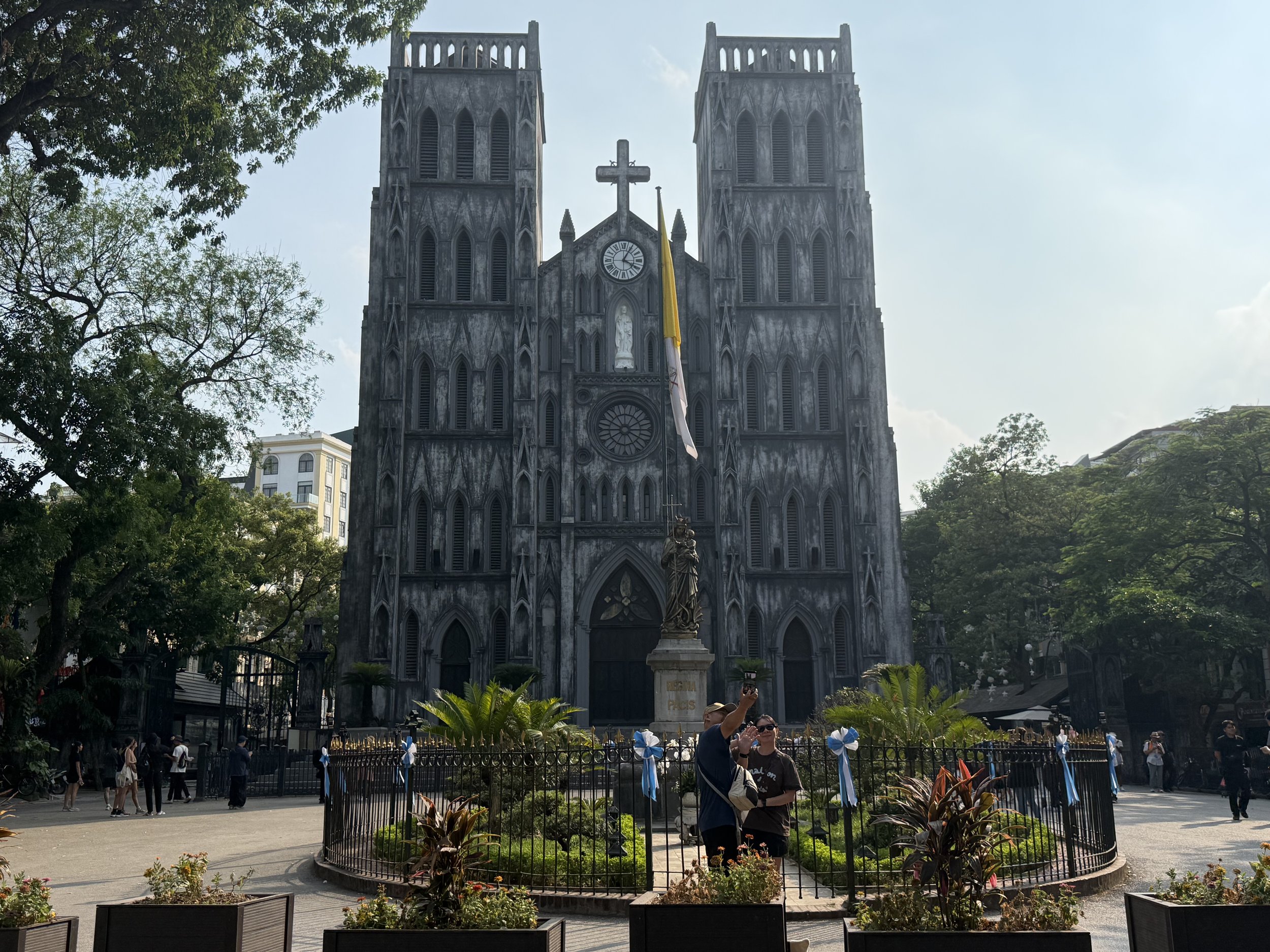
Hanoi at 35°C: Why My Second Visit Was Even Better
Some destinations reveal themselves immediately. Others reward you for returning, slowing down and allowing everyday life to become part of the experience.
Hanoi falls firmly into the second category.
I returned to Vietnam’s capital for my second visit from 31 May to 8 June. Part of the reason for going back was simple curiosity: could I cope with Hanoi when the temperature was hovering around 35°C?
The answer was yes - although it required a slightly different style of travel.
Rather than trying to pack every attraction into a few hurried days, I had more than a week to explore. That gave me the freedom to start early, retreat into a café during the hottest part of the day, rest when I needed to and head out again in the evening.
It turned out to be one of the best things about the trip.
A city made for wandering
Hanoi is not necessarily a city you experience by following a checklist.
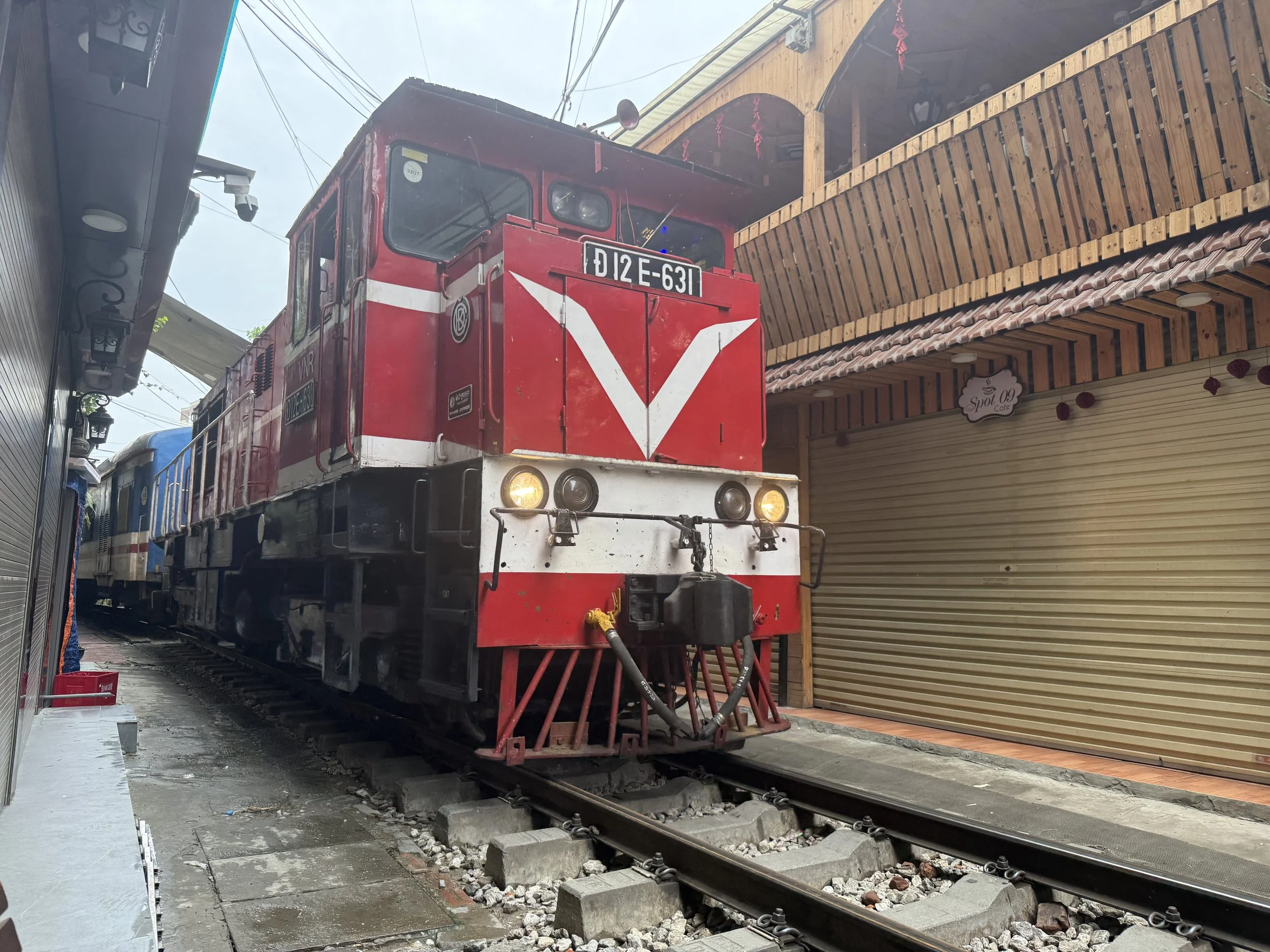
Of course, there are important places to visit, but much of its character is found between them: narrow streets filled with scooters, tiny shops, pavement kitchens, old buildings, hidden cafés and people sitting on low plastic stools watching the city pass.
Having eight days meant I could wander without feeling that I was wasting time. I could turn down a street simply because it looked interesting, stop for coffee when the heat became intense or return to an area I had enjoyed the day before.
The city can initially feel chaotic. Scooters appear from every direction, pavements are often used for parking or cooking, and crossing the road requires confidence. But after a while, the movement begins to make sense. You learn to walk steadily, avoid sudden changes of direction and allow the traffic to flow around you.
Hanoi also changes throughout the day. Mornings can feel purposeful and energetic, while evenings bring people outdoors to eat, socialise and walk around Hoàn Kiếm Lake. After the heat of the afternoon, the city seems to come alive again.
Coping with the Hanoi heat
Travelling in late May and early June meant accepting that it was going to be hot.
At around 35°C, this was not the time for racing from one attraction to another. I generally found the heat manageable because I did not force myself to maintain an unrealistic pace.
Early mornings were ideal for exploring. By lunchtime, an air-conditioned café or restaurant became very appealing. A break during the afternoon made it easier to enjoy the city again later in the day.
The heat also gave me another excuse to explore one of Hanoi’s greatest pleasures: its coffee culture.
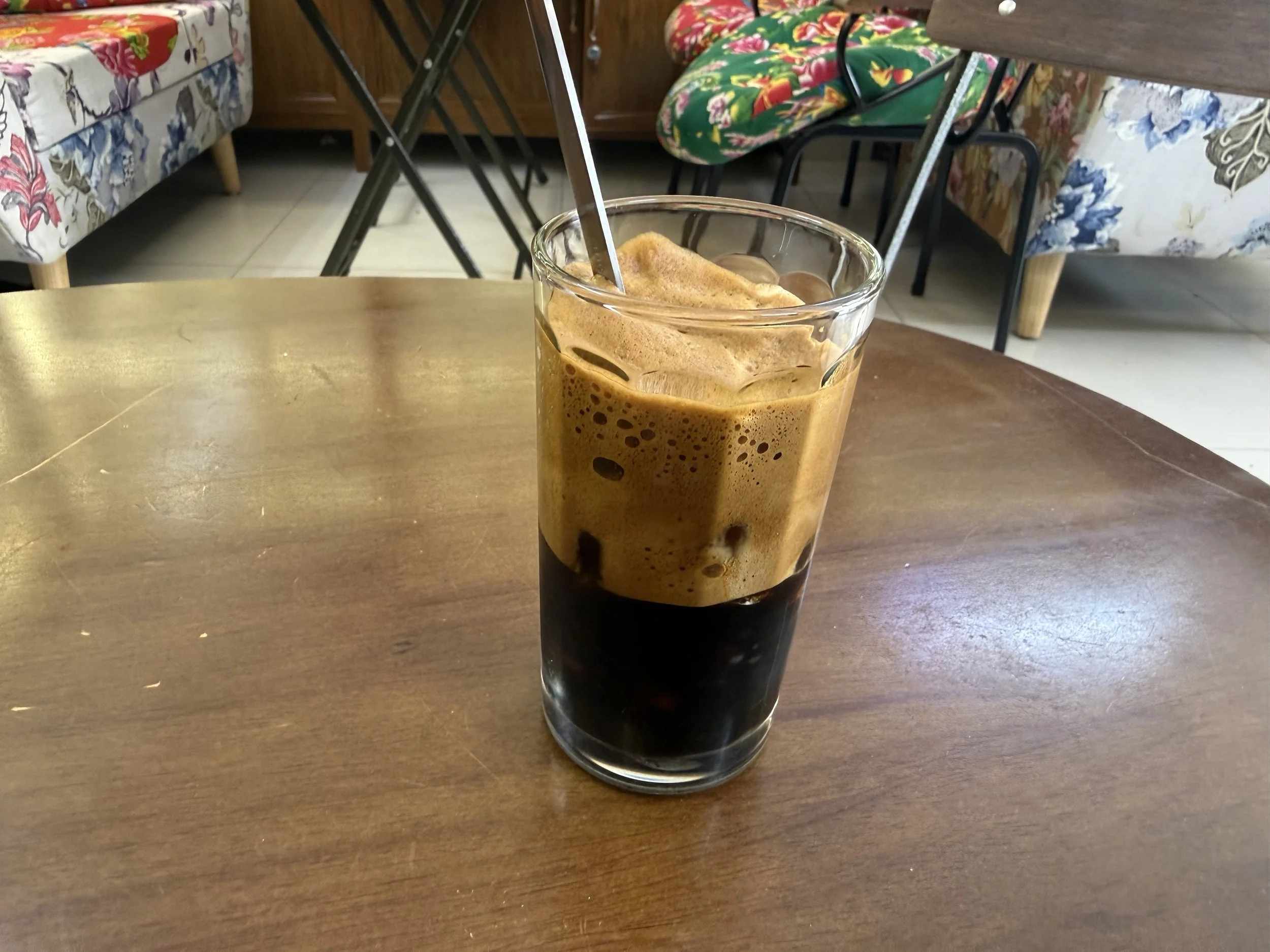
Coffee worth travelling for
Coffee in Hanoi is not simply something you grab on your way somewhere else. It is an experience in its own right.
There are cafés everywhere, ranging from modern spaces to tiny establishments hidden behind narrow entrances or up old staircases. Some overlook busy intersections, while others feel completely removed from the noise outside.
A highlight was returning to Café Giảng, the Hanoi institution associated with the creation of Vietnamese egg coffee. The café dates back to 1946, when Nguyễn Văn Giảng developed the drink while working at the Metropole Hotel. Strong Vietnamese coffee is topped with a rich, sweet egg mixture, creating something that feels halfway between a coffee and a dessert.
Café Giảng is not polished or designed purely for visitors. Its somewhat hidden entrance, close tables and constant activity are part of its charm. Sitting there with an egg coffee felt like participating in a small piece of Hanoi history.
Coffee breaks also became part of my daily rhythm. In that heat, slowing down was not an inconvenience. It was one of the best ways to observe the city.
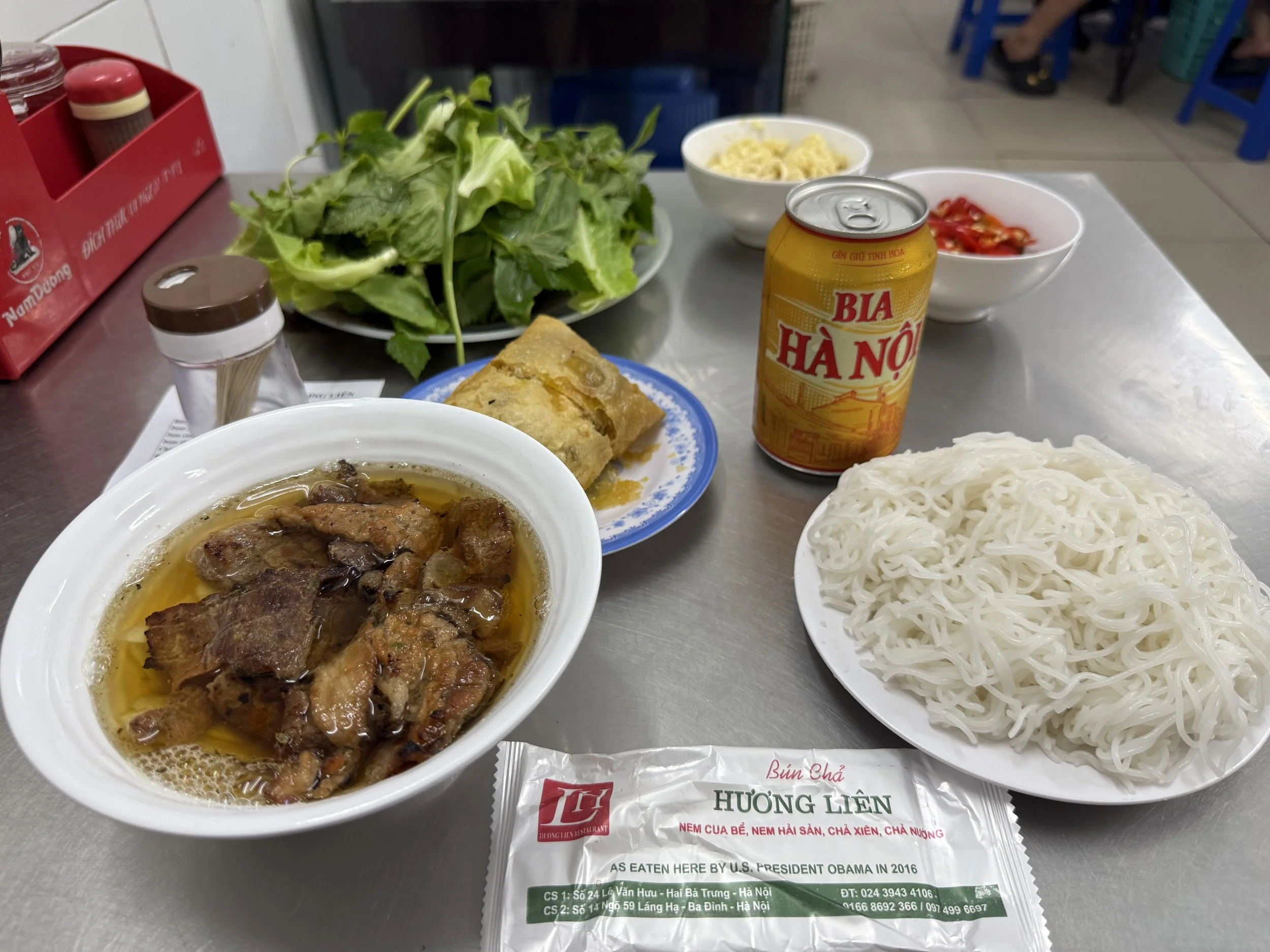
Eating at the “Obama bun cha” restaurant
Hanoi is an exceptional food destination.
Some of the best meals are served in simple surroundings, sometimes with only a few dishes on the menu. Pho may be Vietnam’s most internationally recognised dish, but Hanoi offers far more than bowls of noodle soup.
One meal I particularly wanted to experience was at Bún Chả Hương Liên, the restaurant where Anthony Bourdain ate with Barack Obama in 2016.
Bún chả is a Hanoi speciality consisting of grilled pork served with rice noodles, herbs and a dipping broth. The restaurant became internationally famous after appearing in Anthony Bourdain: Parts Unknown, but it remains a straightforward local dining experience rather than an elaborate celebrity attraction.
There is something memorable about eating the same simple Hanoi meal that was shared during such a well-known television moment. More importantly, the food itself was delicious.
Across the trip, eating was consistently one of the highlights. Hanoi rewards curiosity. A restaurant does not need an elaborate entrance or an English-language menu to deliver an excellent meal.
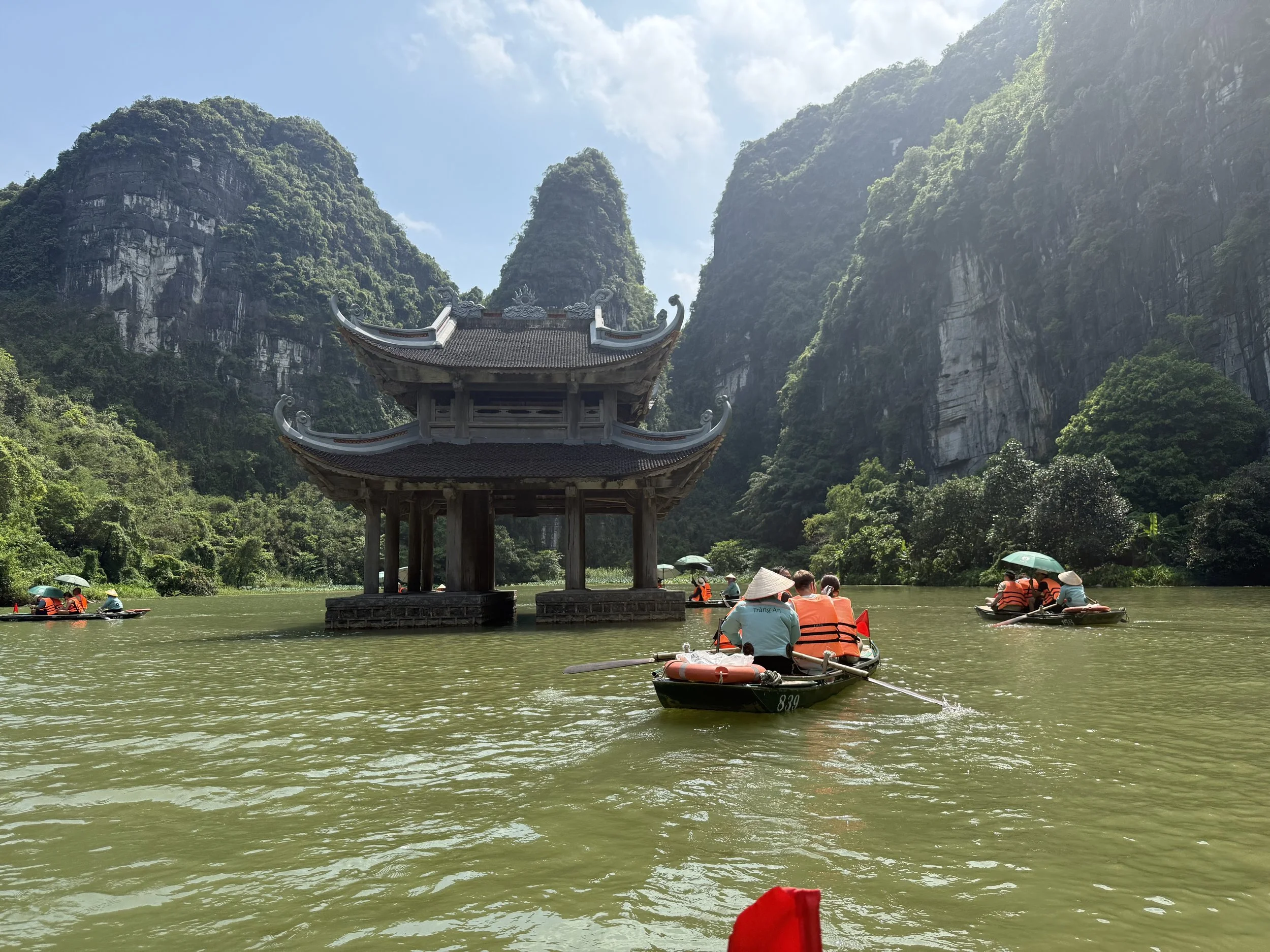
A day trip to Ninh Bình
My favourite excursion outside Hanoi was a day trip to Ninh Bình, visiting Bái Đính Pagoda and Tràng An.
Bái Đính is an enormous Buddhist temple complex. The scale is impressive, but it also offers a quieter contrast to Hanoi’s constant movement. There are courtyards, statues, long covered walkways and elevated views across the surrounding countryside.
From there, the trip continued to Tràng An for a boat journey through one of northern Vietnam’s most extraordinary landscapes.
Small boats travel along calm waterways beneath towering limestone formations, passing through caves and beside temples tucked into the landscape. Ninh Bình is sometimes described as “Ha Long Bay on land,” but the experience has a character of its own. The official Vietnam tourism guide describes it as a river landscape of limestone mountains, rice fields and UNESCO-protected scenery best explored by paddleboat.
Despite being a popular visitor attraction, the boat trip felt peaceful. The scenery unfolds slowly, giving you time to appreciate the scale of the cliffs and the deep green of the landscape.
For me, Ninh Bình was the standout day trip from Hanoi.
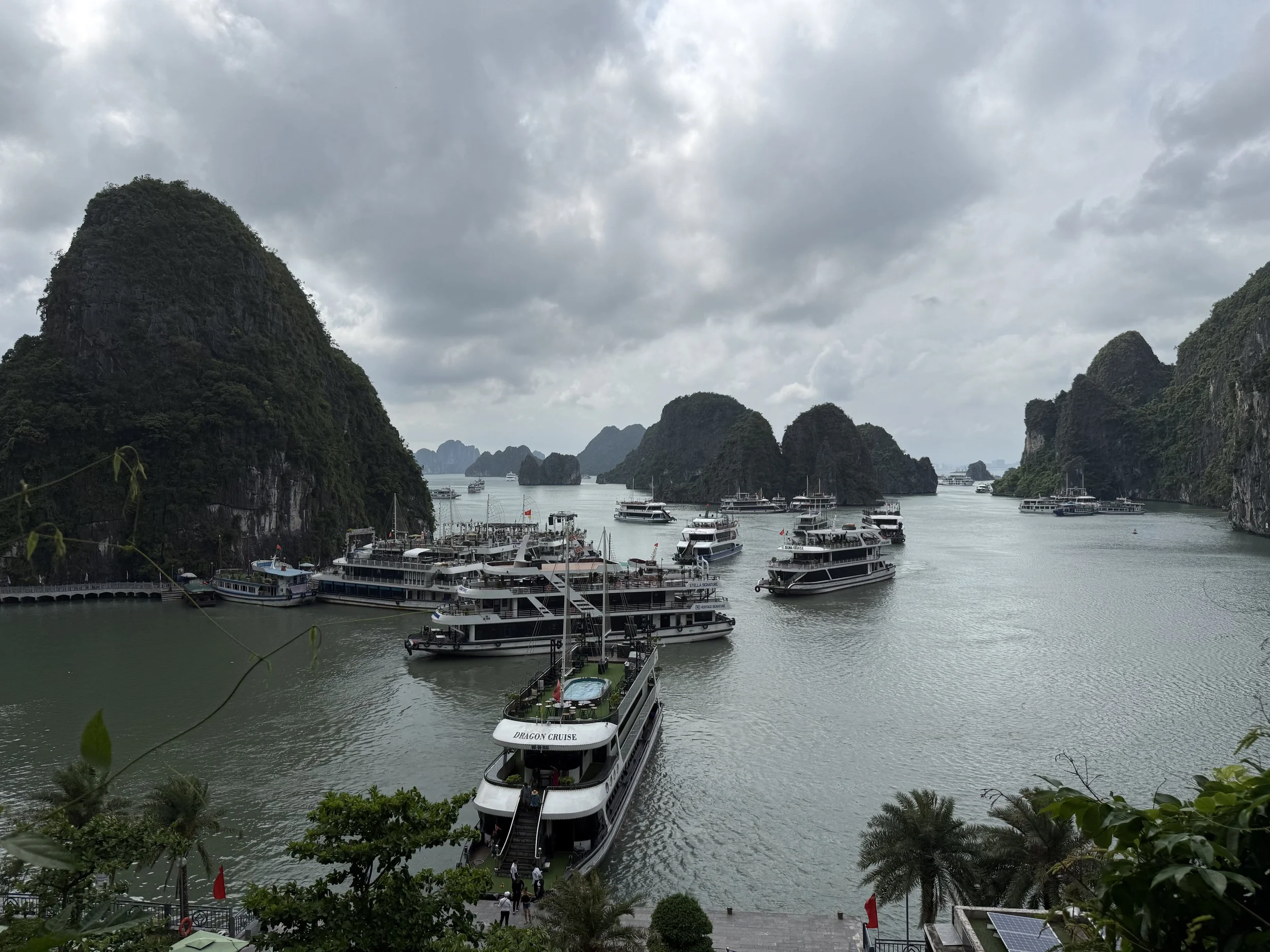
Ha Long Bay: beautiful, but very busy
I also took a day trip to Ha Long Bay.
There is no question that the bay is beautiful. The limestone islands rising from the water create the type of scenery seen in countless photographs of Vietnam.
However, I was less impressed by the level of tourism around the experience.
Even though I travelled during what was considered the lower season, the main visitor areas felt crowded. Numerous tour boats followed similar routes, and some stops seemed designed to process large numbers of visitors rather than allow people to appreciate the landscape quietly.
I am still pleased I saw Ha Long Bay for myself, and many travellers will understandably consider it an essential part of their Vietnam trip. However, my personal preference was Ninh Bình. It felt more varied, more immersive and—at least during my visit—more connected to the surrounding landscape.
This is one of the advantages of returning to a destination: you become less concerned with what you are “supposed” to enjoy and more confident about recognising the experiences that genuinely appeal to you.
Travelling from Auckland via Guangzhou
I travelled from Auckland to Hanoi with China Southern Airlines, connecting through Guangzhou.
Travelling through Guangzhou provided a practical route between New Zealand and northern Vietnam. As with any connecting itinerary, it is important to consider the total journey time, the length of the transit and whether checked luggage travels through to the final destination.
This is also where working with an experienced travel agent can make a real difference. The cheapest fare displayed online is not always the best overall journey. Connection times, baggage allowances, fare conditions and support when plans change can all affect the experience.
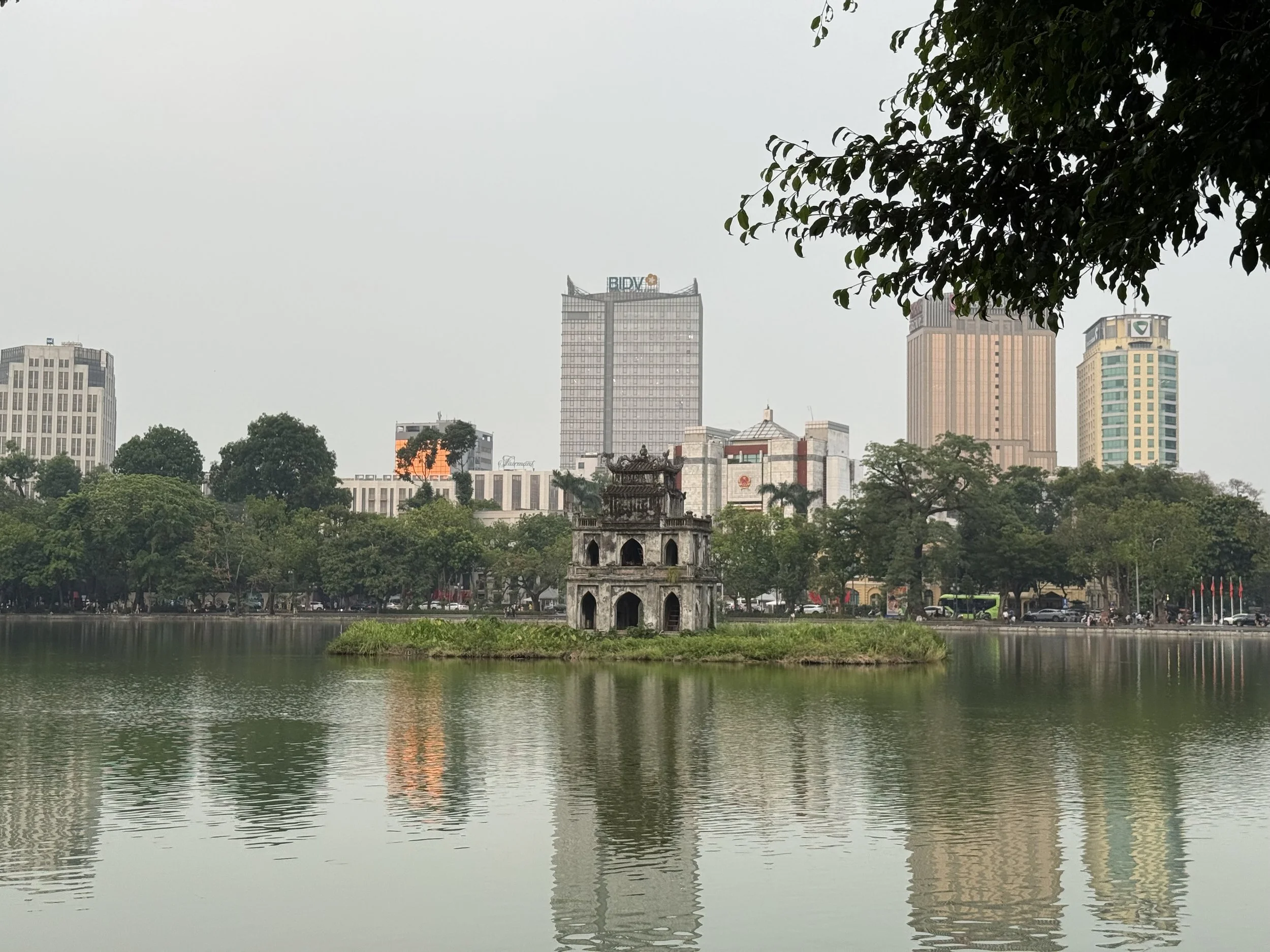
Why Hanoi deserves more than a quick stop
Hanoi is often treated as the starting point for trips elsewhere in northern Vietnam. Travellers arrive, spend two or three nights in the Old Quarter and then leave for Ha Long Bay, Ninh Bình or Sapa.
The excursions are worthwhile, but Hanoi itself deserves time.
Staying longer allowed me to move beyond the major attractions and settle into the city’s daily rhythm. I could wander, revisit favourite cafés, try different foods and take breaks without worrying that I was falling behind schedule.
Yes, it was hot. Yes, the traffic was intense. And yes, Ha Long Bay felt more crowded than I had hoped.
But Hanoi remained fascinating, welcoming and deeply rewarding.
My second visit confirmed that it is not simply a city to pass through. It is a destination where the pleasure often comes from slowing down, paying attention and allowing yourself time to explore.
For travellers from New Zealand looking for culture, memorable food, excellent coffee and easy access to some of northern Vietnam’s most dramatic landscapes, Hanoi deserves a place near the top of the list.
Talk to Target Travel about creating a Hanoi itinerary that gives you enough time to experience the city properly—along with the right flights, accommodation and day trips for the way you prefer to travel.
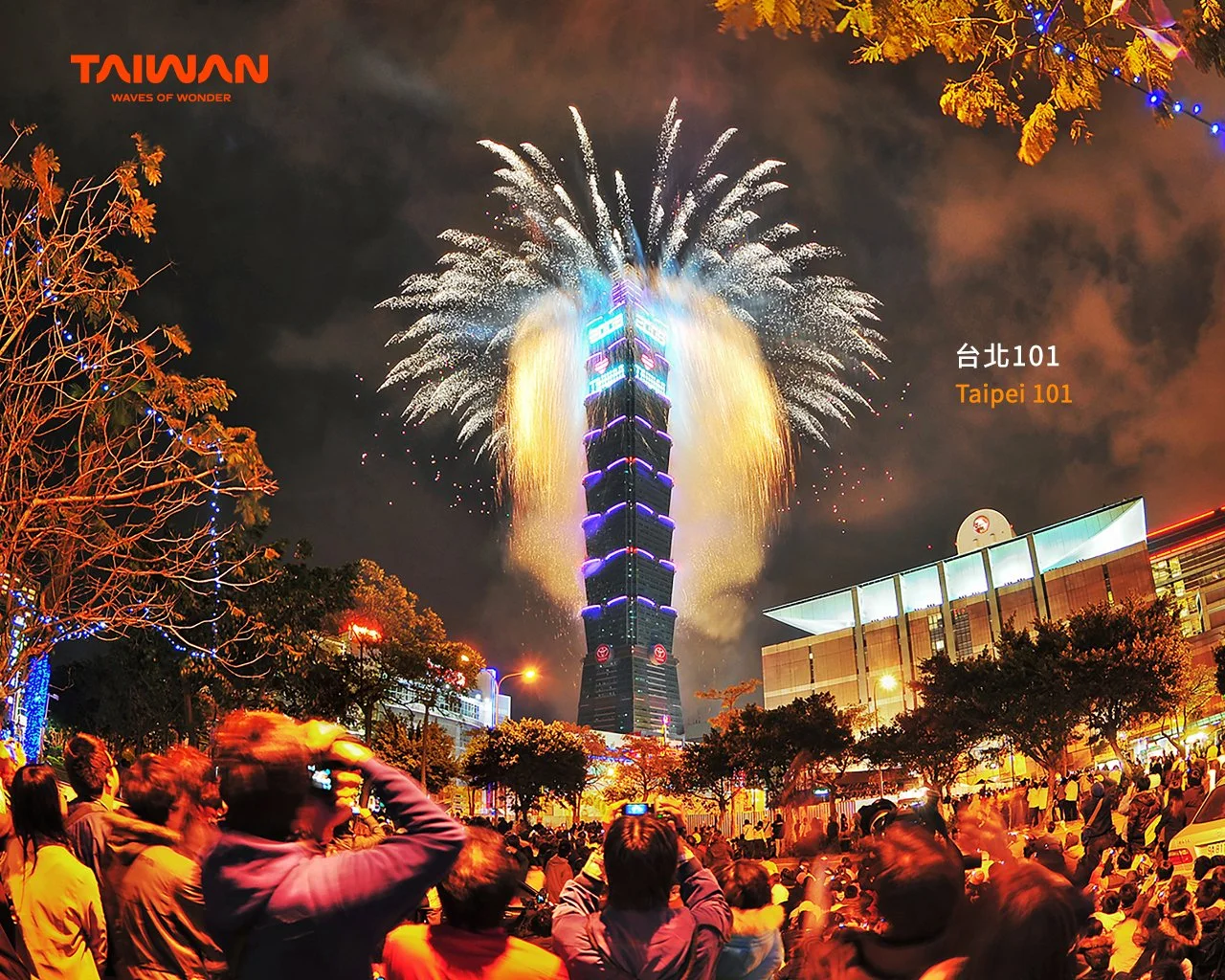
TAIWAN - EXPERIENCES ALL YEAR

For New Zealand travellers looking for a destination that feels rich, welcoming, easy to explore and genuinely different, Taiwan deserves a place high on the list. Compact in size but full of contrast, Taiwan brings together ancient temples, mountain landscapes, night markets, coastal towns, modern cities and one of Asia’s most enjoyable rail networks.
It is a destination that rewards every style of traveller. You can spend your morning wandering through a historic district, your afternoon travelling by high-speed train, and your evening sampling dumplings, beef noodle soup and bubble tea at a lively night market. Whether you are planning your first visit to Asia or returning for a deeper cultural experience, Taiwan offers something memorable all year round.
A destination shaped by culture and history
Taiwan’s story is layered, fascinating and visible almost everywhere you go. In Taipei, the capital, visitors can move between the old and new with ease. The city’s skyline is defined by Taipei 101, but its soul is found in temples, markets, museums and neighbourhoods where tradition remains part of daily life.
A highlight for many visitors is the National Palace Museum, home to one of the world’s most significant collections of Chinese art, ceramics, calligraphy and historical objects. It is the sort of place where you can spend a few hours or a full day, depending on how deeply you want to explore. For travellers interested in history, this is one of Taiwan’s essential stops.
Taipei also offers atmospheric heritage areas such as Dadaocheng, where old trading streets, tea houses, fabric shops and restored buildings give a sense of the city’s mercantile past. Nearby temples such as Longshan Temple show Taiwan’s living spiritual traditions in action, with worshippers, incense, offerings and intricate architecture creating a powerful sense of place.
Further south, Tainan is often described as Taiwan’s oldest city and is a must for travellers who love history, food and slow wandering. Former forts, old temples, narrow lanes and traditional snacks make Tainan one of the most rewarding places in Taiwan to explore on foot. Sites such as Anping Fort and Chihkan Tower help tell the story of Taiwan’s early trading history, while the city’s food scene gives visitors another reason to linger.
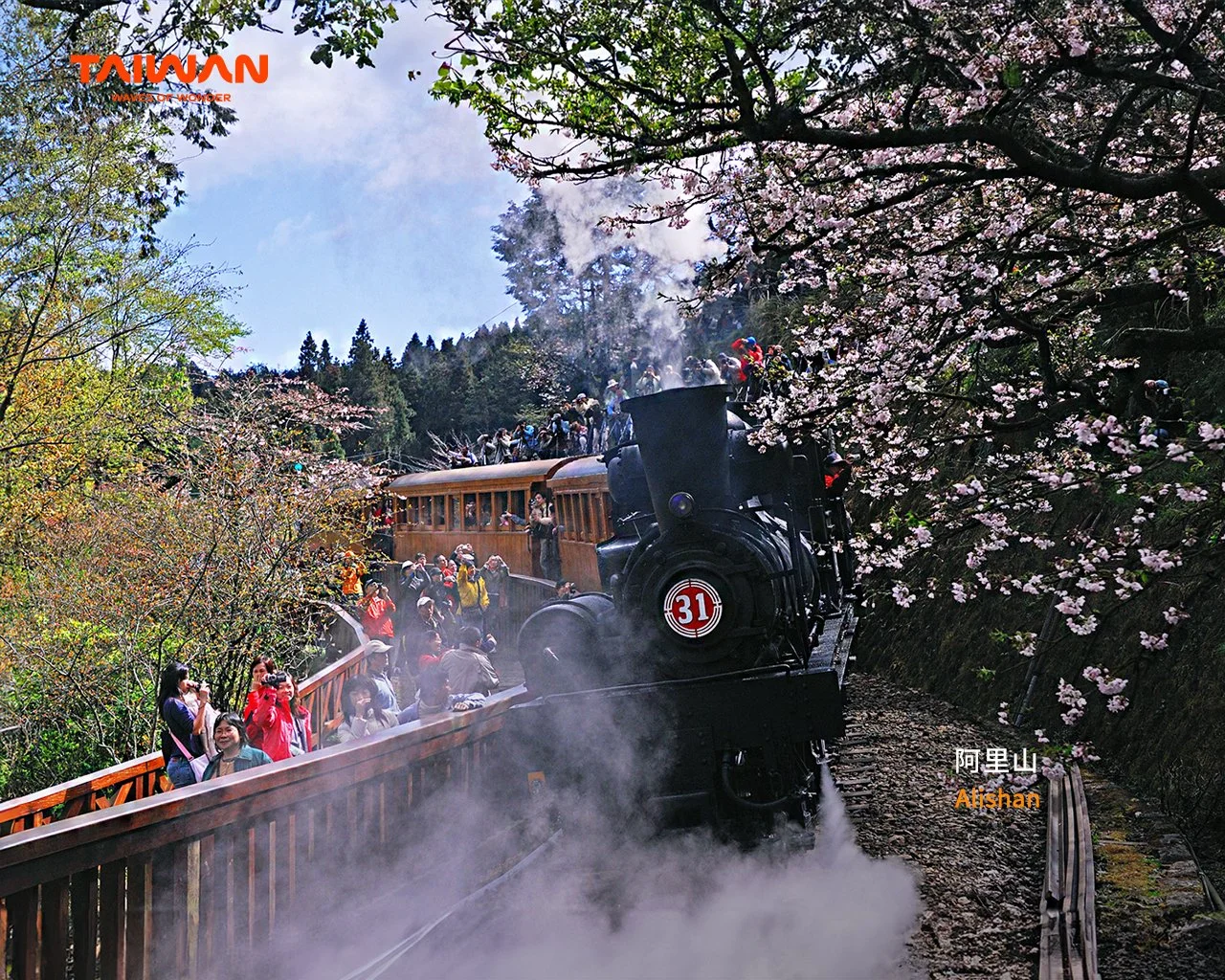
Taiwan by train: one of Asia’s easiest journeys
One of the great pleasures of travelling in Taiwan is how easy it is to move around. For New Zealand travellers used to planning around cars, airports and long distances, Taiwan’s train network can feel wonderfully simple.
The Taiwan High Speed Rail runs along the western side of the island, connecting major cities including Taipei, Taichung, Tainan and Kaohsiung. This makes it possible to build an itinerary that includes several regions without feeling rushed. You can fly into Taipei, spend time in the capital, then continue south by train for food, history, art and warmer weather.
The regular rail network opens up even more possibilities. Taiwan’s coastal and mountain routes are part of the experience, not just a way to get from one place to another. Travellers can look out over rice fields, coastline, river valleys and small towns as the island reveals itself through the window.
For rail enthusiasts, or anyone who enjoys slower scenic travel, the Alishan Forest Railway is a standout. This historic mountain railway climbs from Chiayi toward the Alishan area, passing through forested landscapes and heritage railway towns. Alishan is famous for sunrise views, tea country, misty forests and cool mountain air. It is a beautiful contrast to the energy of Taipei and the warmth of the south.
A rail-based Taiwan itinerary can be as simple or as ambitious as you like. Some travellers may choose a Taipei, Taichung, Tainan and Kaohsiung route using the high-speed rail. Others may add the east coast, mountain rail journeys, hot spring towns or smaller local lines. Either way, Taiwan is a destination where the journey itself becomes part of the holiday.
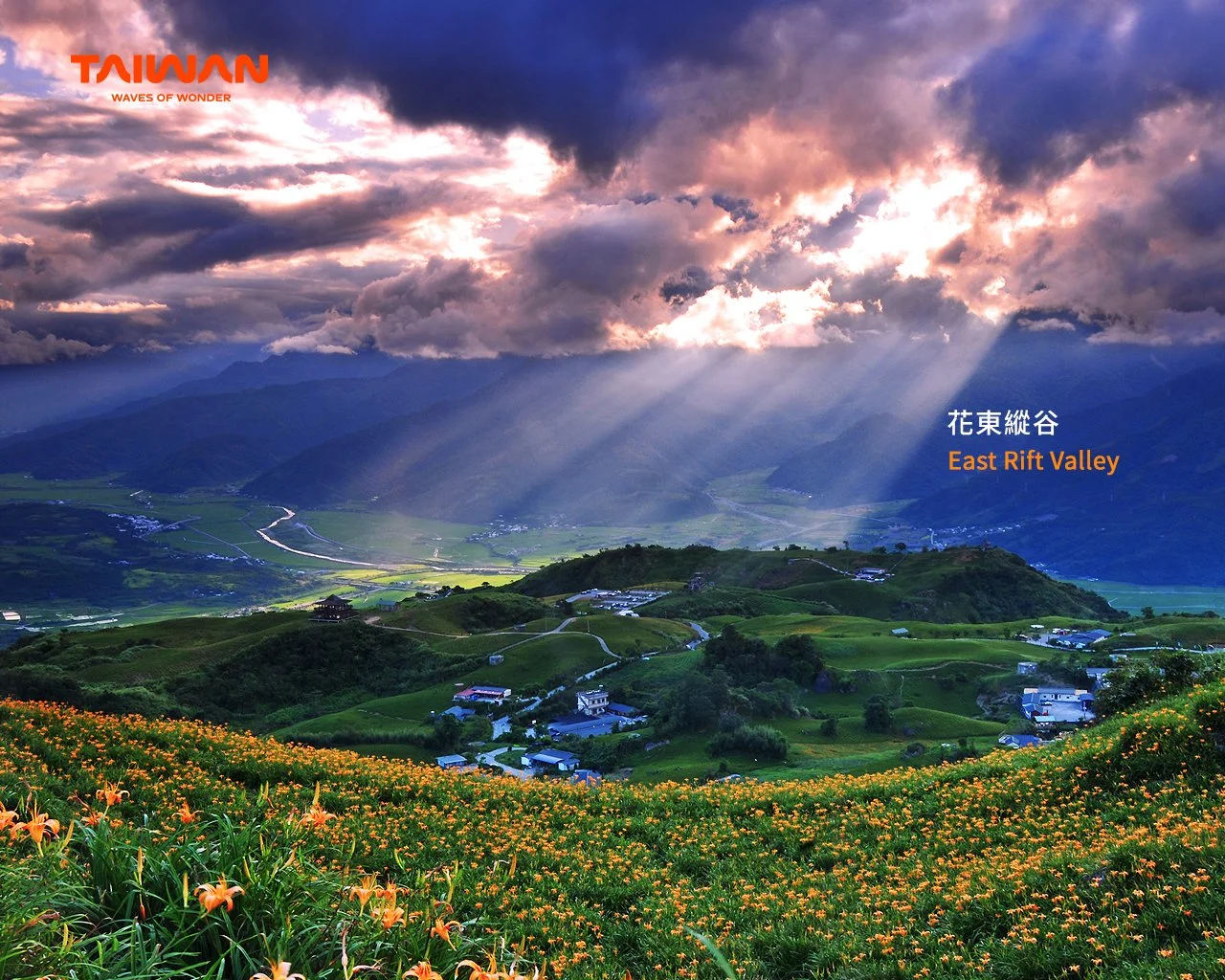
Something to see in every season
Taiwan is not a one-season destination. There is something to enjoy year-round, which makes it a great option for travellers planning around school holidays, shoulder seasons or flexible airfares.
Spring is a beautiful time for flowers, fresh greenery and comfortable sightseeing. Cherry blossoms can be seen in mountain areas such as Alishan, while cities are pleasant for walking, markets and temple visits.
Summer brings warmth, energy and a more tropical feel, especially in the south. It is a good time for coastal scenery, island escapes, night markets and longer evenings, although travellers should be prepared for humidity and occasional rain.
Autumn is one of the most appealing times to visit, with milder weather and excellent conditions for food, culture, rail journeys and outdoor sightseeing. It is a lovely season for exploring Tainan, Kaohsiung, Sun Moon Lake and the east coast.
Winter is also rewarding, particularly for those who prefer cooler city travel. Taipei’s museums, tea houses, hot springs and food scene make it an easy winter escape, while southern Taiwan often remains pleasantly mild. Hot spring areas such as Beitou, just outside central Taipei, are especially appealing during the cooler months.
This year-round appeal makes Taiwan particularly useful for travellers who want Asia without needing to rely on one narrow travel window.
Food, markets and everyday Taiwan
No Taiwan journey is complete without food. Night markets are part of the country’s identity and are often where travellers have their most memorable moments. From Taipei’s Raohe and Ningxia markets to local markets in Tainan and Kaohsiung, the food is varied, affordable and full of personality.
Expect steaming dumplings, scallion pancakes, oyster omelettes, fried chicken, pepper buns, shaved ice, bubble tea and regional specialities that differ from city to city. For many visitors, Taiwan’s food culture is one of the strongest reasons to return.
Tea is another essential part of the experience. Taiwan is known for high mountain teas and oolong, and travellers can visit tea houses in Taipei or head into scenic growing areas such as Maokong or Alishan. Sitting down for tea after a day of sightseeing is a gentle reminder that Taiwan is best enjoyed at a thoughtful pace.
Getting there from New Zealand
Taiwan is well connected for New Zealand travellers, with strong options through airline partners including China Airlines, EVA Air and Air New Zealand.
Air New Zealand offers travel options between New Zealand and Taipei, including non-stop services from Auckland to Taipei, with domestic connections available from Air New Zealand-served airports around New Zealand. This makes Taipei an accessible gateway for travellers beginning their journey in Auckland, Wellington, Christchurch, Queenstown or other regional centres.
China Airlines, Taiwan’s flagship carrier, also provides flight options between Auckland and Taipei, making it a natural choice for travellers who want to connect directly into Taiwan and beyond. As a Taiwan-based airline, China Airlines offers a smooth introduction to the destination before you even arrive.
EVA Air is another excellent Taiwan-based airline option, with services available between New Zealand and Taipei. Known internationally for its service and strong Asian network, EVA Air gives travellers another flexible way to reach Taiwan or combine Taiwan with onward travel through Asia.
As schedules and seasonal availability can change, the Target Travel team can help compare routing, travel dates, cabin options and connection points to find the best fit for your holiday.
Why Taiwan belongs on your travel list
Taiwan is easy to underestimate, but that is part of its charm. It is not as large as some Asian destinations, nor as familiar to many New Zealand travellers as Japan, Thailand or Singapore. Yet that is exactly what makes it so rewarding.
It offers culture without being overwhelming, history without feeling static, food that is both accessible and adventurous, and trains that make exploring simple. It is modern, safe, friendly and full of local character. You can visit for a week and see the highlights, or stay longer and discover mountain villages, coastlines, islands, temples, hot springs and hidden food streets.
For travellers seeking a destination with depth, variety and year-round appeal, Taiwan is a wonderful choice. Whether you are drawn by culture, history, scenic rail travel or simply the pleasure of discovering somewhere new, Taiwan is ready to surprise you.
Talk to Target Travel about planning your Taiwan holiday with China Airlines, EVA Air or Air New Zealand.
Hong Kong: 10 Must-See Attractions for Travellers This Year

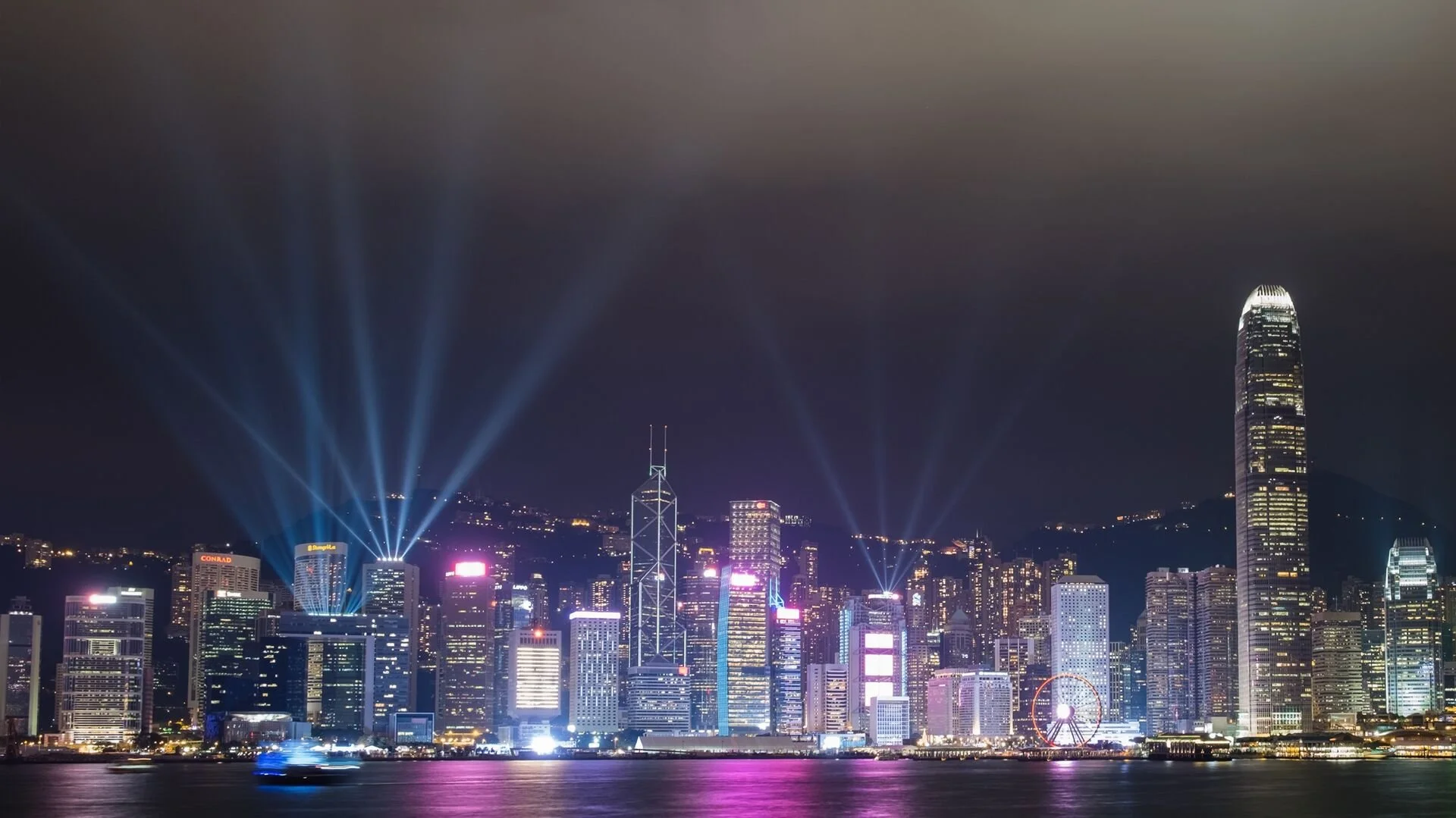
Hong Kong is one of Asia’s most exciting destinations — a city where glittering skylines, traditional temples, harbour views, world-class dining, island escapes and family-friendly attractions all sit within easy reach of each other.
For New Zealand travellers, Hong Kong is also wonderfully accessible. Both Cathay Pacific and Air New Zealand offer convenient services between Auckland and Hong Kong, making it an excellent choice for a short break, a longer holiday, or a stopover on the way to Europe or Asia. Cathay Pacific lists direct Auckland–Hong Kong flights taking around 11 hours 30 minutes, while Air New Zealand notes non-stop Auckland–Hong Kong services up to seven times a week.
Here are ten of the top attractions to include in your Hong Kong itinerary this year.
1. Victoria Peak
No first visit to Hong Kong is complete without a trip to Victoria Peak. From the top, travellers can take in sweeping views over Victoria Harbour, Hong Kong Island, Kowloon and the surrounding hills. It is especially memorable around sunset, when the city begins to light up.
The Peak is one of Hong Kong’s classic vantage points and is featured by the Hong Kong Tourism Board as a must-visit location for admiring the city’s skyline and harbour views.
Best for: first-time visitors, photographers, couples, skyline views
Tip: Go late afternoon and stay for the evening lights.
2. Victoria Harbour & the Star Ferry
Victoria Harbour remains one of Hong Kong’s great icons. The skyline is spectacular from both sides of the water, but one of the simplest and most enjoyable ways to experience it is aboard the Star Ferry.
The Hong Kong Tourism Board highlights several ways to enjoy Victoria Harbour, including the Tsim Sha Tsui waterfront, the Star Ferry, The Peak, rooftop bars and harbour viewpoints.
Best for: classic Hong Kong atmosphere, harbour views, budget-friendly sightseeing
Tip: Take the ferry in the early evening for a beautiful view of the city lights.
3. Hong Kong Disneyland
For families, couples and Disney fans, Hong Kong Disneyland is one of the city’s major drawcards. It is compact, easy to navigate and ideal for travellers wanting a full day of entertainment without feeling overwhelmed.
The Hong Kong Tourism Board includes Hong Kong Disneyland among its must-try attractions and activities, making it a strong choice for families and multi-generational travellers.
Best for: families, Disney fans, multi-generational holidays
Tip: Allow a full day, especially if travelling with children.
4. Ocean Park Hong Kong & Water World Ocean Park
Ocean Park Hong Kong combines thrill rides, marine life, animal encounters and coastal views, while Water World Ocean Park adds a waterpark experience for warmer months. It is a great option for families and travellers who want a mix of rides and nature.
The Hong Kong Tourism Board describes Ocean Park as a long-running homegrown theme park with rides and animal encounters, and highlights Water World Ocean Park for water slides and aquatic fun.
Best for: families, theme park lovers, active travellers
Tip: Check opening times and ride availability before visiting.
5. Ngong Ping 360, Big Buddha & Lantau Island
Lantau Island offers a different side of Hong Kong. The Ngong Ping 360 cable car gives travellers panoramic views across mountains, sea and airport approaches before arriving near the Big Buddha and Po Lin Monastery.
The Hong Kong Tourism Board lists Ngong Ping 360, the Big Buddha, Wisdom Path, Tai O Fishing Village, beaches and Lantau Trail among the best things to do on Lantau Island.
Best for: culture, scenery, day trips, spiritual landmarks
Tip: Combine the Big Buddha with Tai O Fishing Village for a fuller Lantau day.
6. Tai O Fishing Village
Also on Lantau Island, Tai O offers a slower, more traditional side of Hong Kong. Known for its stilt houses, seafood stalls and waterside setting, it is a lovely contrast to the city’s towers and shopping districts.
Tai O is included in the Hong Kong Tourism Board’s Lantau Island recommendations, alongside beaches, trails and cultural landmarks.
Best for: culture, photography, food, slower-paced exploring
Tip: Visit after Ngong Ping for a rewarding full-day itinerary.
7. Tai Kwun
Located in Central, Tai Kwun is one of Hong Kong’s most interesting heritage and arts precincts. Set within the restored former Central Police Station compound, it combines history, architecture, exhibitions, dining and cultural events.
The Hong Kong Tourism Board includes Tai Kwun among its must-try attractions and activities, making it a great stop for travellers interested in Hong Kong’s cultural side.
Best for: culture, architecture, history, galleries, dining
Tip: Pair it with nearby Central, SoHo or PMQ.
8. Central Market
Central Market is a revitalised heritage building that now blends food, retail, design and local culture. It is easy to include while exploring Central and works well for travellers who enjoy browsing, snacking and discovering local brands.
Central Market is listed by the Hong Kong Tourism Board among Hong Kong’s must-try attractions and activities.
Best for: food, design, local shopping, easy city exploring
Tip: Visit around lunch or late afternoon when the surrounding Central area is lively.
9. Tsim Sha Tsui Promenade & Avenue of Stars
The Tsim Sha Tsui waterfront is one of the best places to admire Hong Kong Island’s skyline. The promenade is ideal for a relaxed walk, with harbour views, public art, museums nearby and access to the Star Ferry.
The Hong Kong Tourism Board highlights the Tsim Sha Tsui waterfront as one of the top spots to marvel at Victoria Harbour.
Best for: skyline views, walking, photography, first-time visitors
Tip: Visit in the evening and combine it with dinner in Tsim Sha Tsui.
10. Hong Kong’s Neighbourhoods, Food & Street Culture
Some of Hong Kong’s best experiences are not single attractions, but neighbourhoods. Areas such as Central, Wan Chai, Yau Ma Tei, Kowloon City and Tsim Sha Tsui offer markets, temples, cafés, heritage buildings, street food, shopping and local life.
The Hong Kong Tourism Board’s e-guidebooks highlight neighbourhoods including Kowloon City, Tsim Sha Tsui, Yau Ma Tei, Lei Yue Mun and The Peak, each with its own history, food, culture and walking routes.
Best for: food lovers, repeat visitors, culture, walking itineraries
Tip: Build in time to wander. Hong Kong rewards curiosity.
Getting There from New Zealand
Hong Kong is one of the easiest Asian cities to reach from New Zealand, particularly from Auckland.
Cathay Pacific offers direct flights from Auckland to Hong Kong, with the airline noting a flight time of around 11 hours 30 minutes. As Hong Kong’s home carrier, Cathay Pacific is a natural fit for travellers wanting strong onward connections through Asia, Europe and beyond.
Air New Zealand also offers non-stop flights to Hong Kong from Auckland, with services listed up to seven times a week. Air New Zealand also notes its alliance with Cathay Pacific on the route, offering travellers benefits such as frequency, reciprocal frequent flyer benefits and wider network connectivity.
For Target Travel clients, this means Hong Kong can be:
a short city break
a family holiday
a luxury shopping and dining escape
a stopover en route to Europe
a gateway to Asia
a cruise or multi-city itinerary add-on
Whether you are planning a first visit to Hong Kong, a family holiday, or a stopover on the way to Europe, Target Travel can help design an itinerary that makes the most of your time.
With excellent airline options through Cathay Pacific and Air New Zealand, Hong Kong is closer and easier than many travellers realise.
Talk to Target Travel about flights, accommodation, stopovers and tailored Hong Kong holiday ideas.
Check back often for updates