
Target Travel recently attended the Discover Korea 2026 roadshow, presented on behalf of the Korea Tourism Organization. After meeting with a wide range of Korean tourism operators, one thing became very clear: South Korea is not simply a destination for cherry-blossom season. Each month offers travellers something different.
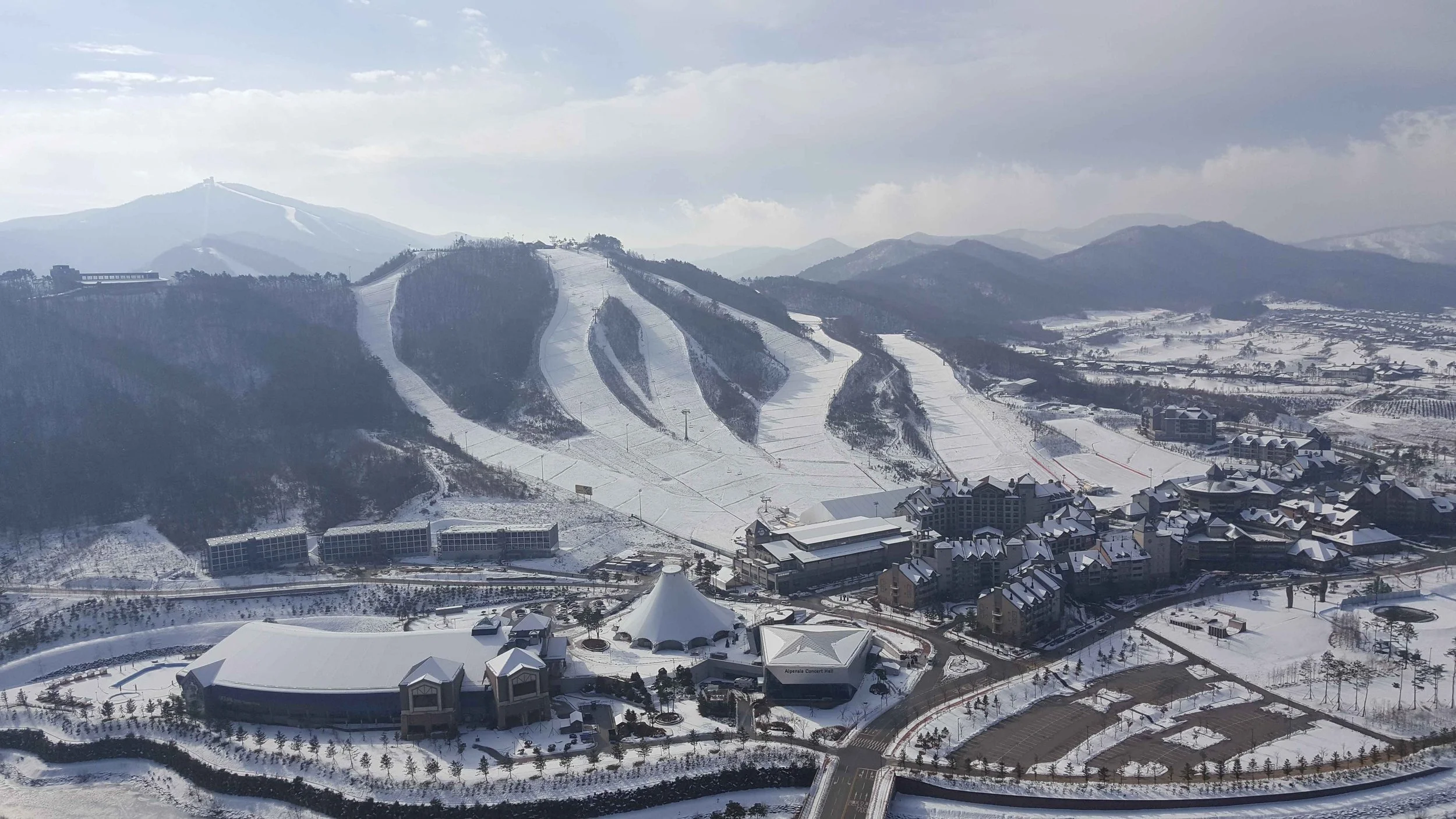
January
Embrace a true northern winter. Ski or snowboard in the mountains, warm up in a traditional bathhouse, and discover the comfort of Korean hotpots, soups and heated ondol floors.
February
Winter continues, with snow festivals and quieter sightseeing in Seoul, Busan and historic Gyeongju. The Lunar New Year, Seollal, can also fall in January or February, bringing traditional celebrations alongside some holiday closures.
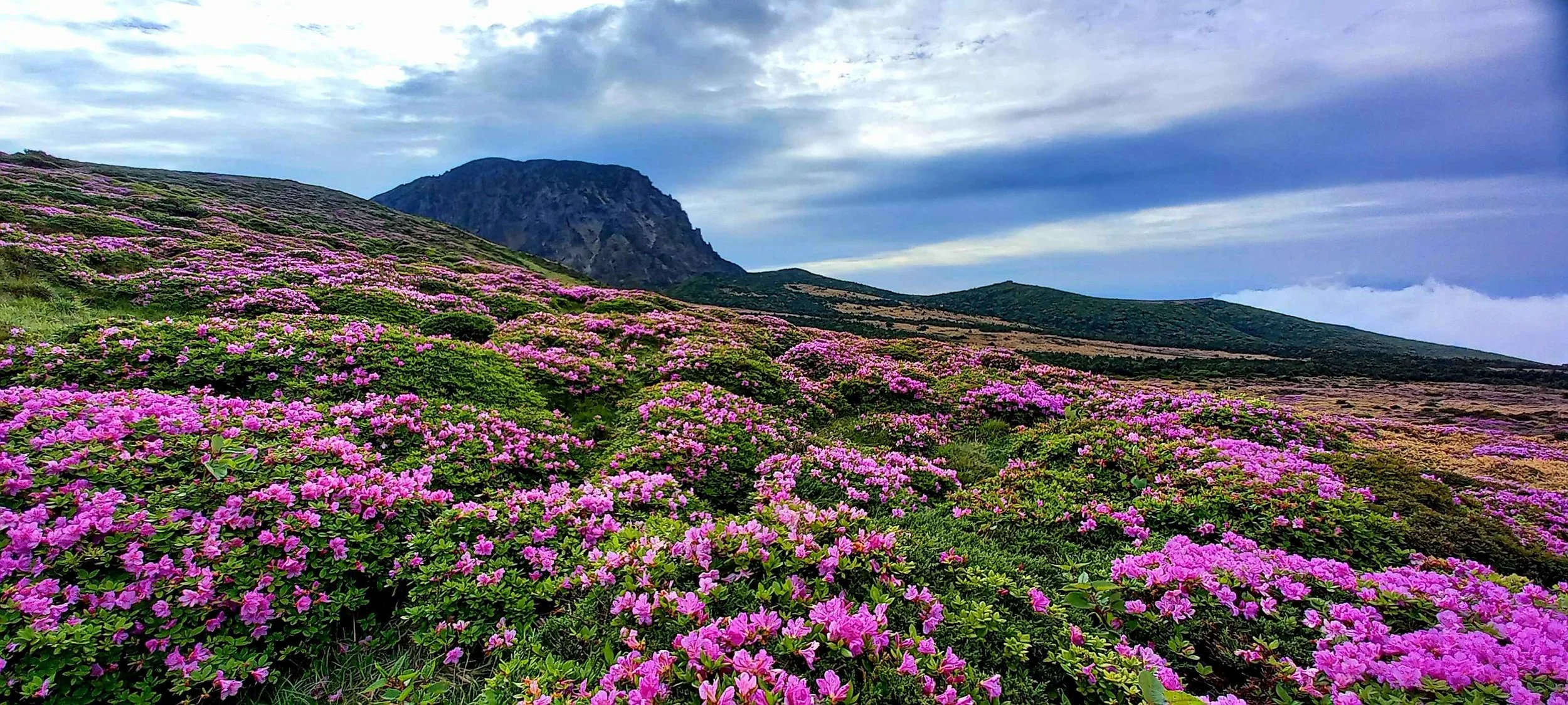
March
Spring begins in the south. Jeju Island is among the first places to show seasonal colour, with canola flowers and early blossoms creating beautiful landscapes.
April
This is Korea’s celebrated cherry-blossom season. The timing varies by region and weather, but late March to early April is usually the key period. Seoul’s parks, Gyeongju’s historic sites and Jinhae’s blossom-lined streets are especially popular.
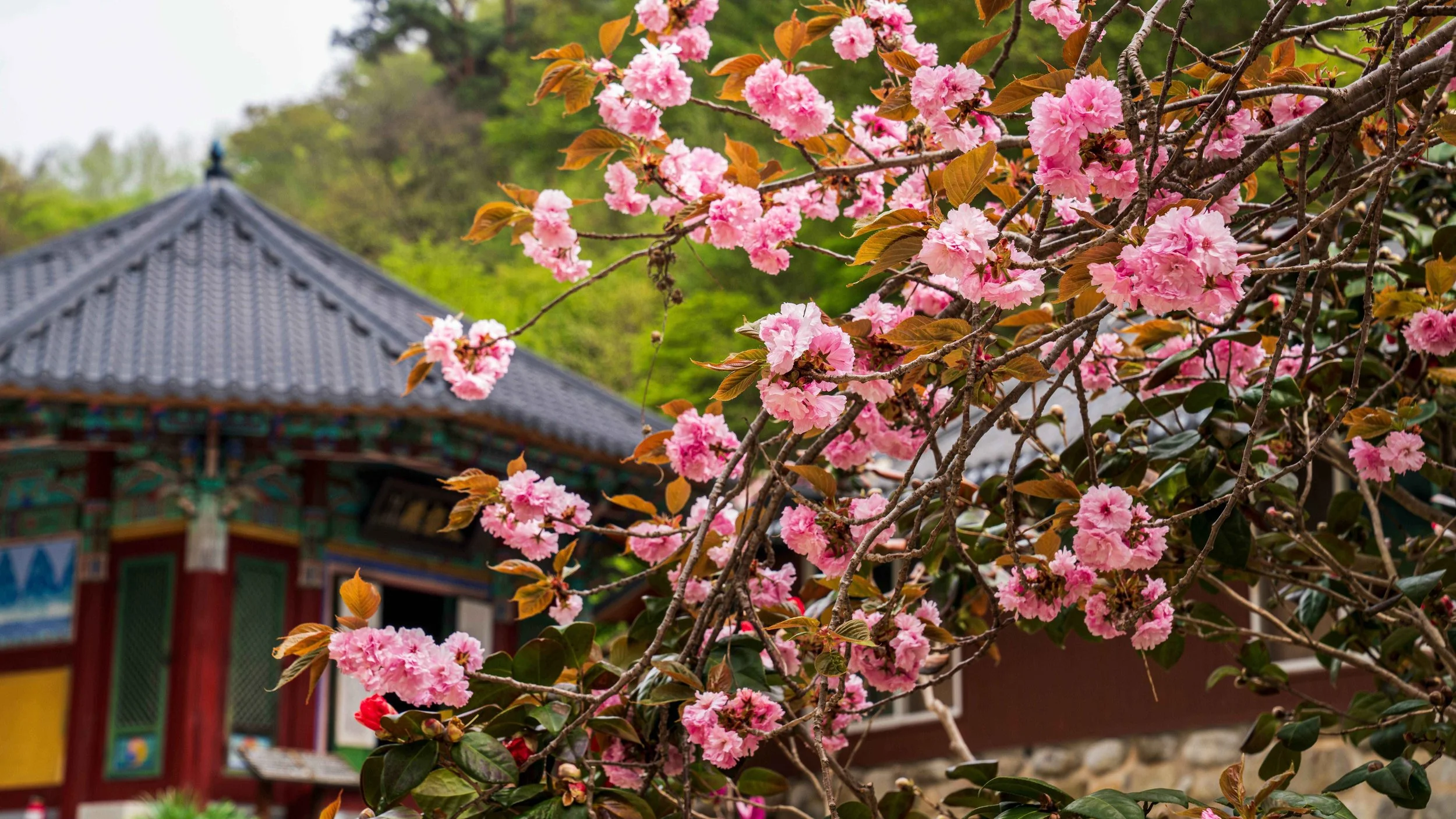
May
Warm but generally comfortable weather makes May ideal for walking, cycling and exploring Korea’s national parks. Buddhist temples are decorated with colourful lanterns around Buddha’s Birthday.
June
Early summer is a good time to combine Seoul with the coast, countryside or islands. Visit palaces, traditional villages and lively markets before the hottest weather arrives.
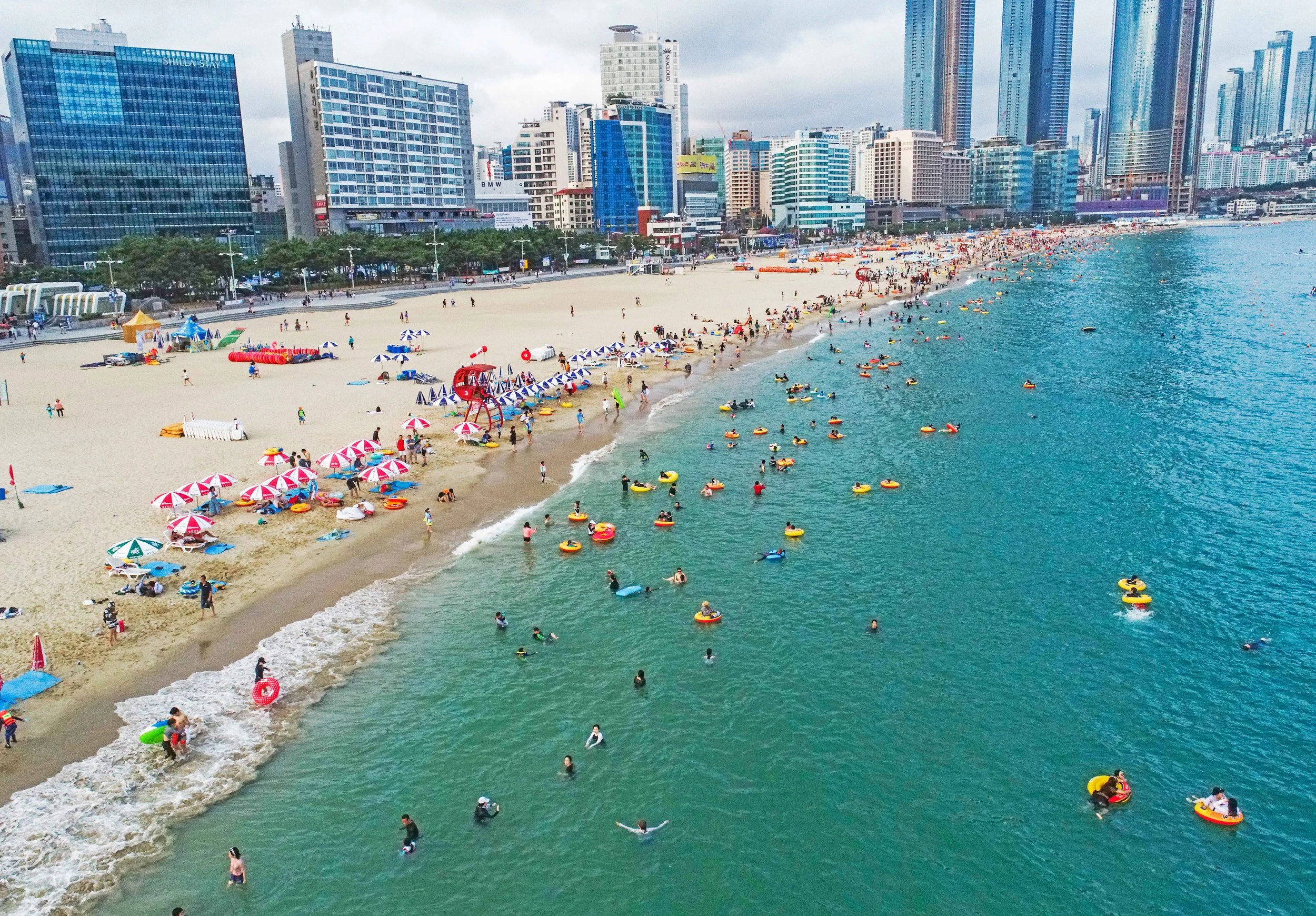
July
Summer brings heat, humidity and the rainy season—but also plenty of energy. Enjoy water parks, beach escapes and Korea’s famous summer festivals, then cool down with bingsu, the much-loved shaved-ice dessert.
August
Head for the coast. Busan’s beaches, Jeju Island and the eastern seaside cities come alive during Korea’s peak summer holiday period.
September
The weather begins to cool, making this a pleasant month for sightseeing. Depending on the lunar calendar, Chuseok—Korean Thanksgiving—may fall in September or October, offering an insight into one of the country’s most important traditions.
October
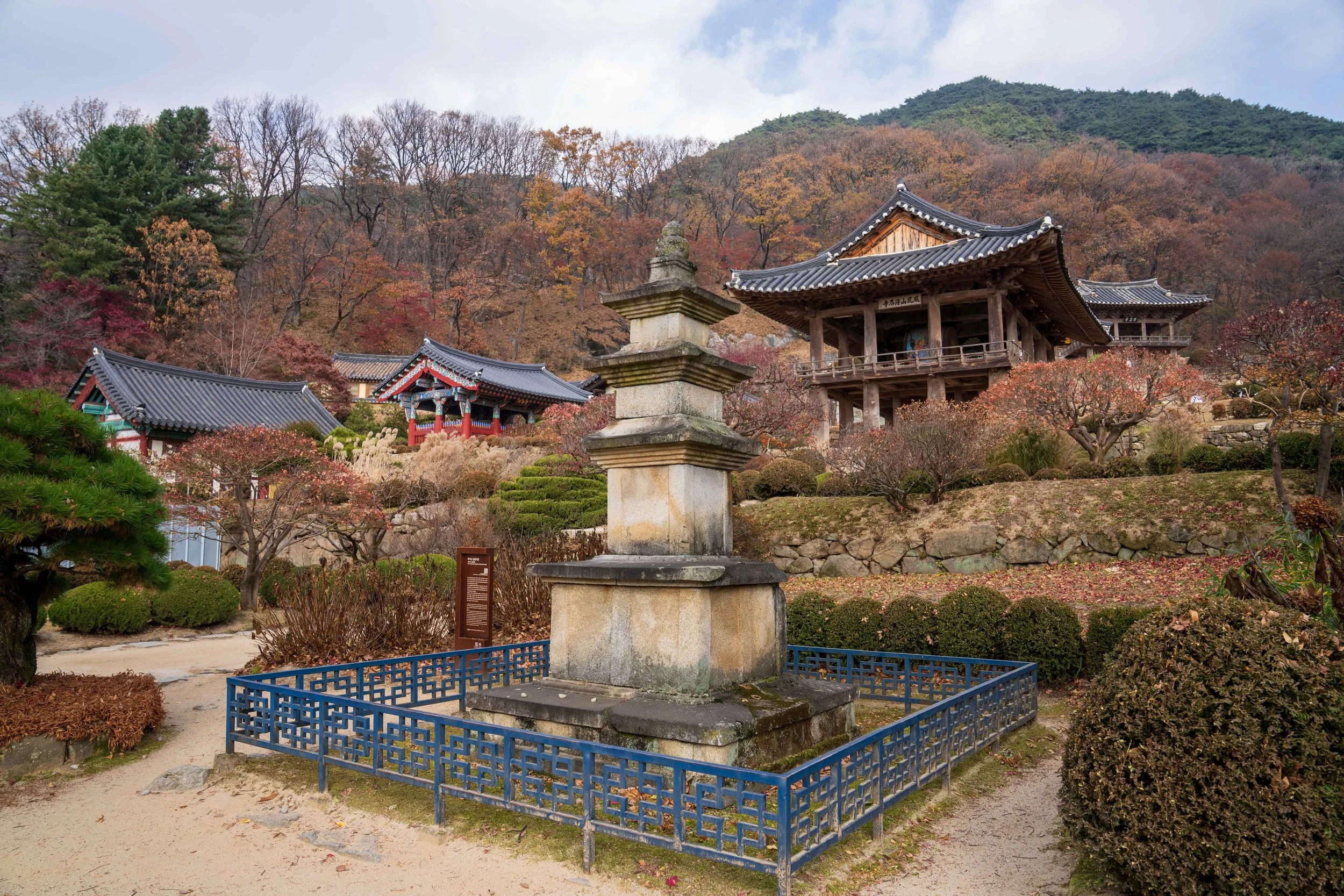
For many travellers, this is Korea at its best. Autumn colours spread through the national parks, while comfortable temperatures make it an excellent time for city walks, hiking and touring.
November
Autumn lingers in the south. It is also a wonderful month for food-focused travel, with cooler days perfect for exploring street-food stalls, traditional markets and Korea’s regional cuisines.
December
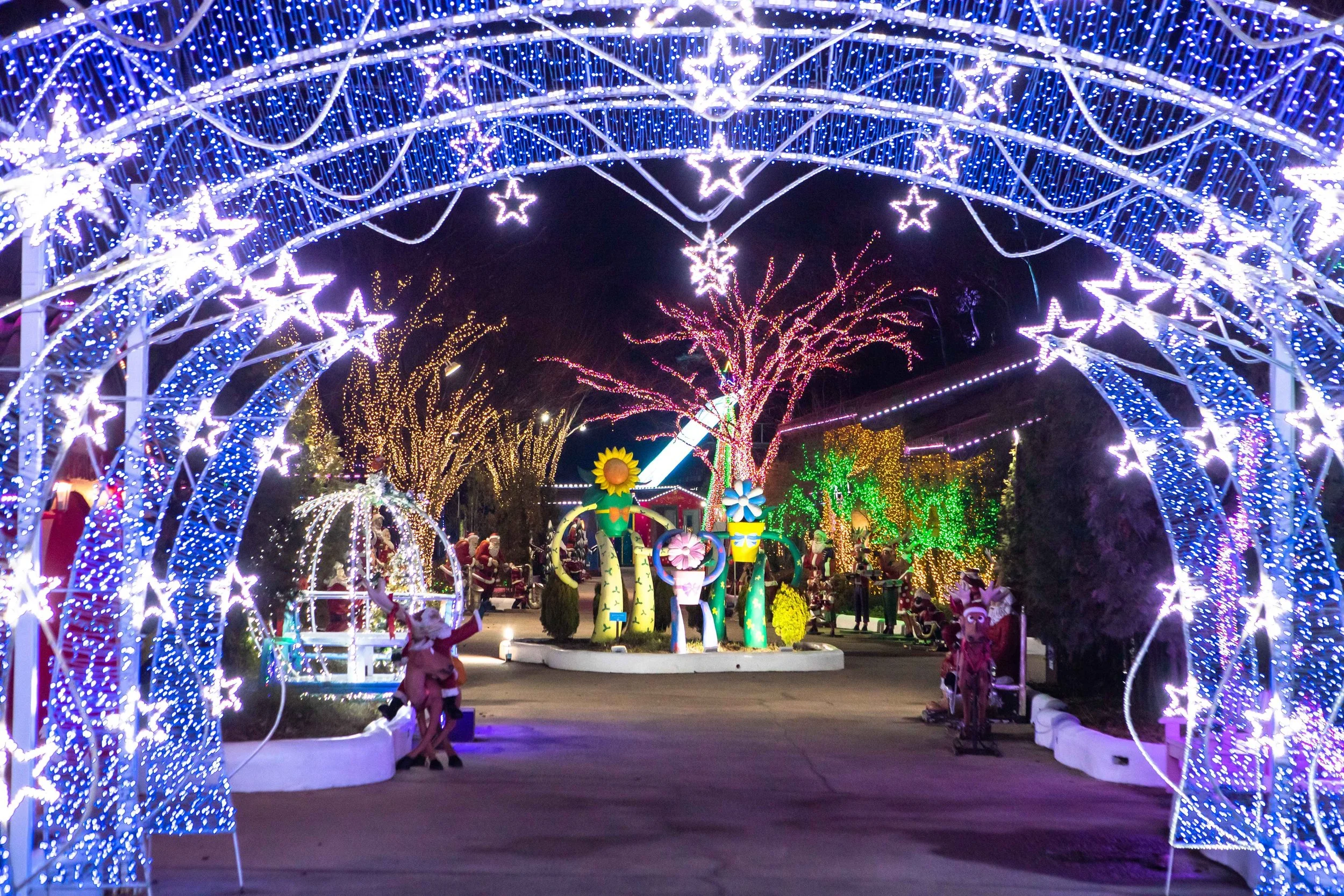
Winter illuminations appear, ski resorts reopen and Seoul takes on a festive atmosphere. It is cold, but also atmospheric—especially with a hot Korean barbecue meal waiting at the end of the day.
South Korea can be fast-paced, traditional, fashionable, peaceful and wonderfully unexpected—sometimes all in the same day. Seasonal dates, particularly blossoms and autumn colour, vary from year to year, so good planning matters.
Target Travel works with a range of experienced in-country operators and can help create the right itinerary, accommodation and experiences for the season you want to visit.
Talk to the team at Target Travel and let us help turn South Korea from an idea into a properly planned holiday.