
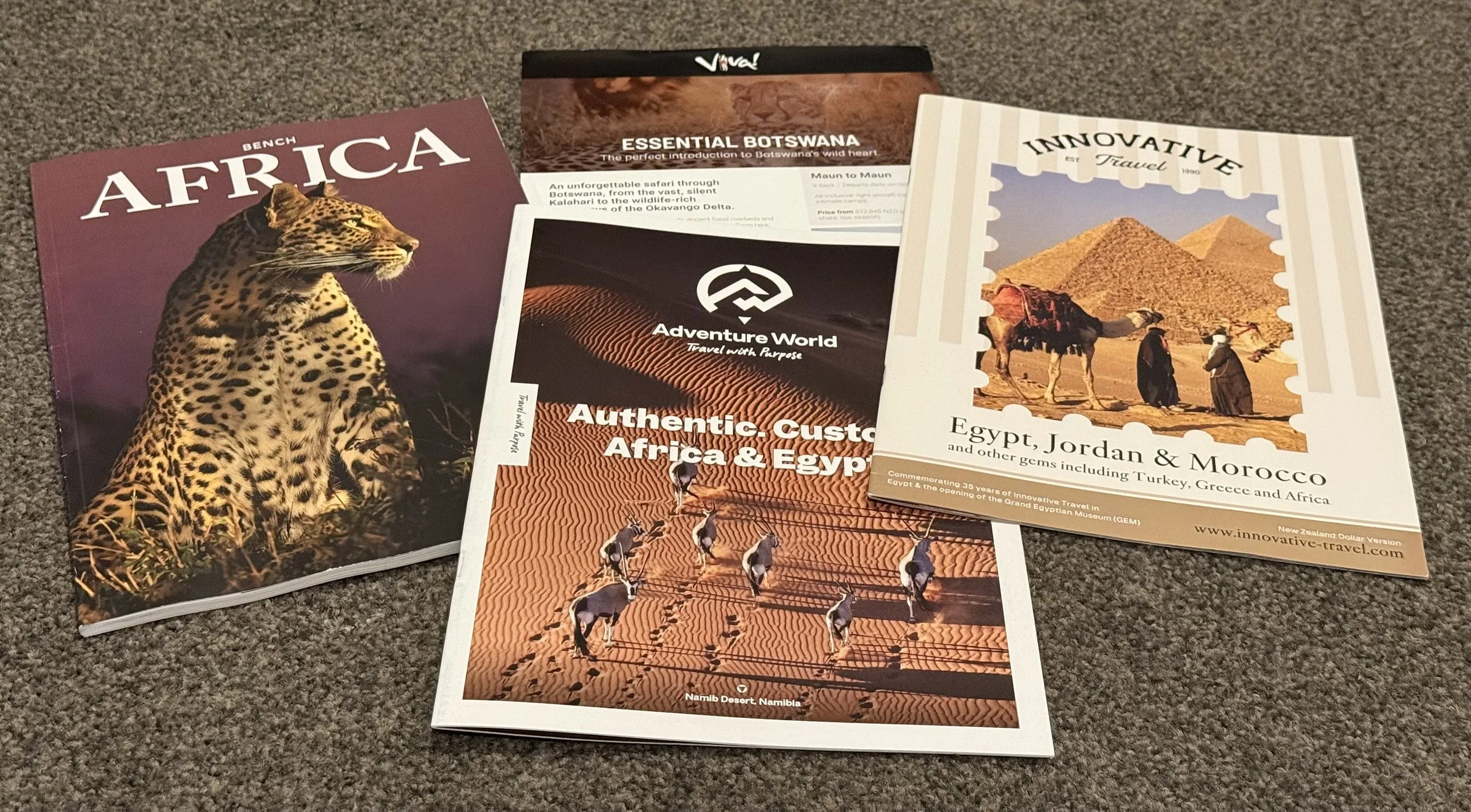
Africa Is Closer Than You Think
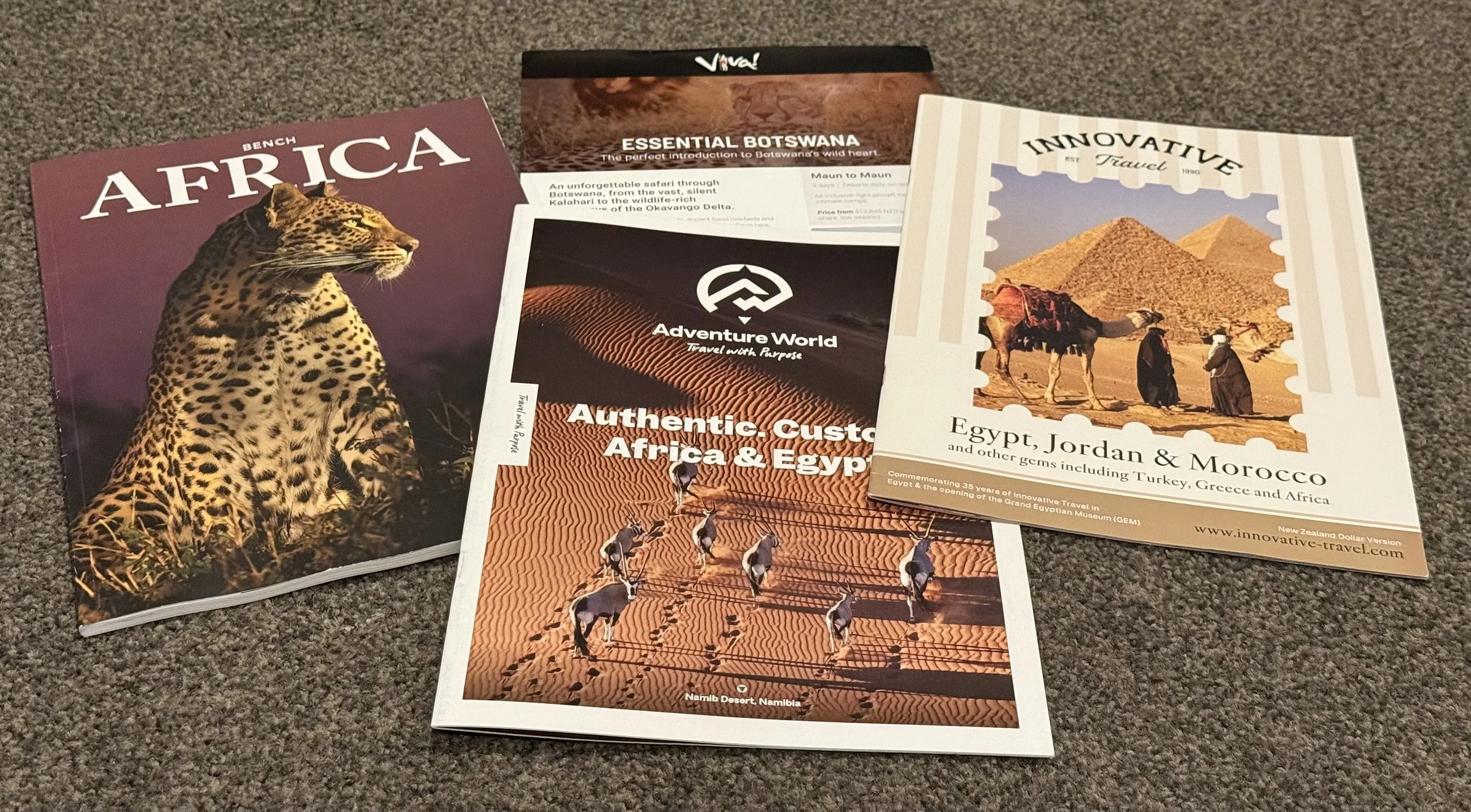
Africa has always occupied a special place in the traveller’s imagination with vast landscapes, extraordinary wildlife, rich cultures and experiences that simply cannot be replicated anywhere else.
After attending the Africa Showcase in Auckland, one message came through clearly: Africa is not only for the ultra-luxury traveller, nor does it need to remain indefinitely on the “one day” list.
There are ways to experience the continent at almost every level—from self-drive holidays and small-group overland adventures to private game reserves, luxury lodges and some of the world’s most elegant train journeys.
We also heard that New Zealand has been one of South Africa’s strongest post-pandemic growth markets. Australasian travellers are returning to Africa with confidence and often staying longer once they arrive.
South Africa: an ideal introduction
For many New Zealand travellers, South Africa is the natural place to begin.
The country combines wildlife, cities, wine regions, beaches, food, history and culture within one remarkably varied destination. South African comedian Trevor Noah captures some of this personality in the country’s international tourism campaign — presenting South Africa as welcoming, energetic and impossible to define through just one experience.
A first visit might combine Cape Town and the Winelands with a safari in or around Kruger National Park. Travellers with more time could add the Garden Route, Johannesburg, Pretoria or KwaZulu-Natal.
Durban deserves particular attention. It offers a coastal city atmosphere, warm weather, Indian-influenced cuisine and access to Zulu culture. It can also be combined with nearby wildlife areas, making it possible to experience the beach, a vibrant city and Big Five country within the same holiday.
The key takeaway from the Durban representatives at the showcase was simple: value for money.
Kruger: public park or private reserve?
Kruger National Park remains one of Africa’s defining safari destinations.
One of the most important planning decisions is whether to stay inside the public national park, in a private lodge concession or in one of the private reserves bordering Kruger.
A public national park experience
Kruger can be explored in your own vehicle, making it an excellent option for independent travellers. Accommodation ranges from straightforward public rest camps to more exclusive lodges operating within park concessions.
A self-drive safari offers:
Greater independence and flexibility
More affordable accommodation choices
The excitement of finding wildlife yourself
The ability to travel at your own pace
It also requires more preparation. You must follow park roads, opening hours and wildlife rules, and sightings are entirely dependent on patience, timing and good fortune.
A private game reserve experience
A private reserve normally offers guided game drives, smaller lodges and a more personalised programme. Depending on the reserve, guides may be permitted to travel off-road for particular sightings, while the number of vehicles around an animal is often controlled.
Private lodge packages commonly include meals, game drives and selected activities. They cost more, but they remove much of the logistical work and can provide a deeper understanding of animal behaviour, conservation and the surrounding ecosystem.
Neither option is automatically better. The right choice depends on your budget, confidence, interests and desired level of comfort. Many of the best itineraries combine both.
The Aquila Collection also offers accessible safari experiences in South Africa’s Western Cape. Its portfolio includes Big Five reserves and the impressive Kuganha Luxury Tented Lodge, creating opportunities to add a wildlife experience without travelling all the way to Kruger.
For families or travellers seeking a more hotel-style base near safari country, the Radisson Safari Hotel Hoedspruit offers another approach, including family-friendly facilities and access to the wider Kruger-to-Canyons region.
East Africa: iconic wildlife and remarkable seasons
While South Africa is a wonderful starting point, Kenya and Tanzania offer an entirely different safari atmosphere.
In northern Kenya, Samburu is known for species that are less commonly seen elsewhere. Collectively known as the Samburu Special Five, these include the reticulated giraffe, Grevy’s zebra, Somali ostrich, gerenuk and beisa oryx.
The region feels drier, more remote and visually distinct from the greener plains of the Maasai Mara.
Further south, Ashnil Mara Camp sits inside the Maasai Mara National Reserve, close to the Mara River. Although the famous river crossings receive much of the attention later in the year, the Mara is a rewarding wildlife destination in other months too. April can offer excellent opportunities for travellers particularly interested in the region’s lions, leopards and cheetahs, often with fewer visitors than during the migration peak.
In Tanzania, February and March can be extraordinary in the southern Serengeti and Ndutu region. This is the calving stage of the Great Migration, when enormous herds gather on the short-grass plains.
The sheer number of newborn animals also attracts predators. It can be an intense, dramatic and deeply moving time to visit.
Africa is strongly seasonal, but there is no single “best” month for everyone. The right season depends on whether your priority is migration, big cats, birdlife, fewer vehicles, photography, greenery or dry-season game viewing.
Botswana and Zambia: water, wilderness and space
Botswana offers some of the continent’s most distinctive landscapes.
The Okavango Delta is a vast inland wetland where channels, floodplains and islands create an unusual combination of land- and water-based safari experiences. Depending on the season and location, travellers may explore by game-drive vehicle, boat or traditional mokoro canoe.
Botswana is particularly suited to travellers seeking space, exceptional guiding and a feeling of remoteness.
Zambia should also be high on the list, especially for repeat safari travellers.
One of the standout combinations presented at the showcase was Royal Zambezi Lodge and Lion Camp. The eight-day journey links the Lower Zambezi with South Luangwa, combining river activities, game drives and walking safaris.
Lion Camp sits within South Luangwa National Park, an area celebrated for leopards and guided walking safaris. Royal Zambezi Lodge adds the river dimension, with opportunities for canoeing, cruises, fishing and wildlife viewing along the Zambezi.
Africa by road—or by rail
A safari does not always need to begin with a flight into a luxury lodge.
South Africa is well suited to carefully planned self-driving. This can work particularly well when combining Cape Town, the Winelands, the Garden Route and selected wildlife areas. Accommodation groups such as Dream Hotels & Resorts provide options across multiple regions, allowing travellers to build a more independent itinerary.
For those who want a longer and more social adventure, Nomad Africa Tours & Safaris offers extensive small-group journeys. Its tour range includes 42-day and 57-day itineraries crossing multiple countries and ecosystems.
We were interested to hear that many Nomad guests are aged 55 and over. African overland travel is not reserved for backpackers in their twenties. Travellers with time, curiosity and a sense of adventure can experience a substantial section of the continent through one extended journey.
At the opposite end of the transport spectrum is Rovos Rail.
Based in Pretoria, Rovos Rail recreates the romance of elegant rail travel through Southern Africa. Journeys include accommodation, meals, drinks and excursions, allowing guests to unpack and watch the landscapes unfold.
It is also an experience with a sense of occasion. Dinner is formal, and gentlemen should remember to pack a jacket and tie.
Beyond safari: Morocco’s Atlas Mountains
Africa should not be considered only as a wildlife destination.
In Morocco, Kasbah Tamadot offers a completely different experience. Part of Sir Richard Branson’s Virgin Limited Edition collection, the retreat sits in the foothills of the Atlas Mountains, approximately an hour from Marrakech.
Its individually designed rooms, riads and Berber-style tents combine mountain scenery, Moroccan hospitality and quiet luxury. It could form part of a broader Moroccan journey or provide a relaxing conclusion after the colour and energy of Marrakech.
Is Africa more affordable than you think?
One of the strongest messages from the showcase was that Africa can represent excellent value - especially when meals, game drives and activities are included in a lodge package.
South Africa can be particularly attractive for New Zealand travellers. In late July 2026, one New Zealand dollar was worth approximately 9.6 to 9.8 South African rand, although exchange rates naturally change.
That does not make every African safari inexpensive. Remote camps may require charter flights, specialist guides and substantial conservation fees. However, the range of choices is far wider than many travellers realise.
The most important advice is to book early. For popular camps, migration periods, small lodges and rail departures, planning around a year ahead is sensible.
Practical considerations for New Zealand travellers
New Zealand passport holders currently do not require a visitor visa for South African holiday or business visits of up to 90 days. South Africa has also introduced an Electronic Travel Authorisation platform as part of its move towards digital border processing. Visa-exempt travellers may use the ETA to help facilitate processing, but requirements are evolving and should always be checked before departure.
Health requirements vary considerably between countries and even between regions within the same country.
Kruger National Park is situated in a malaria-risk area. SANParks says the risk is generally low but is highest between November and April, and travellers should discuss mosquito precautions and preventative medication with a medical professional.
Routine immunisations should be current, while additional vaccinations or documentation may be recommended depending on the itinerary, stopovers and whether the traveller has passed through a yellow-fever area.
Water safety should also be assessed locally rather than making assumptions across an entire continent. Where tap-water safety is uncertain, use factory-sealed bottled water or properly treated water, including when brushing your teeth.
Comprehensive travel insurance is essential, including cover for emergency treatment and medical evacuation. New Zealand travellers should also review the current SafeTravel guidance for every country on their itinerary.
Your African journey should be designed around you
The most important lesson from the Africa Showcase was that there is no single way to experience Africa.
It might be your first view of an elephant beside a Kruger waterhole. It might be following the migration through Tanzania, gliding through Botswana’s wetlands, walking through South Luangwa, crossing Southern Africa by train or drinking mint tea beneath Morocco’s Atlas Mountains.
The best African holidays balance wildlife, culture, comfort, season, budget and travel time. They also benefit enormously from thoughtful planning.
Talk to Target Travel about creating an African itinerary that matches the way you want to travel. Africa may be more achievable, and more varied, than you imagined.
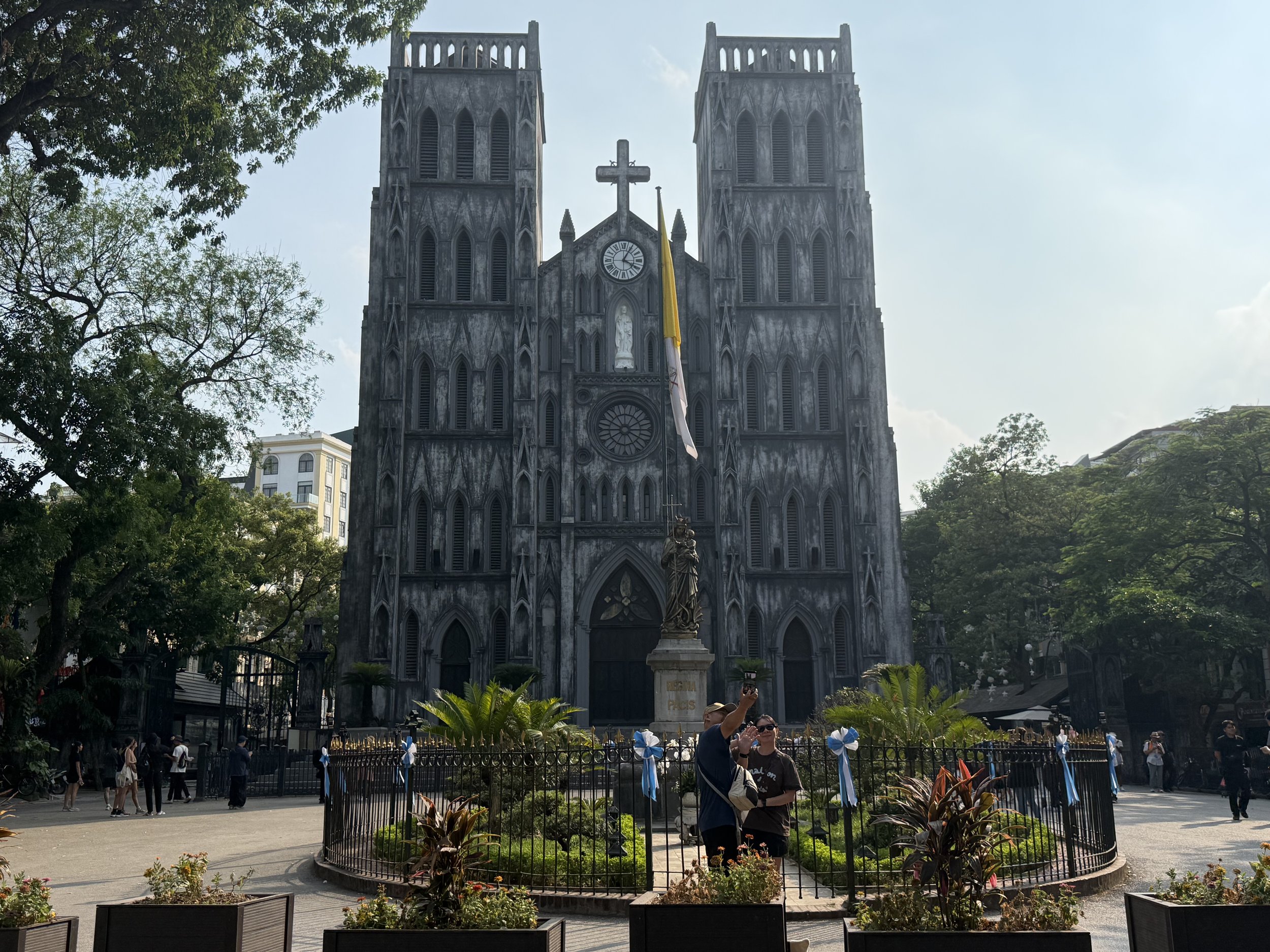
Hanoi at 35°C: Why My Second Visit Was Even Better
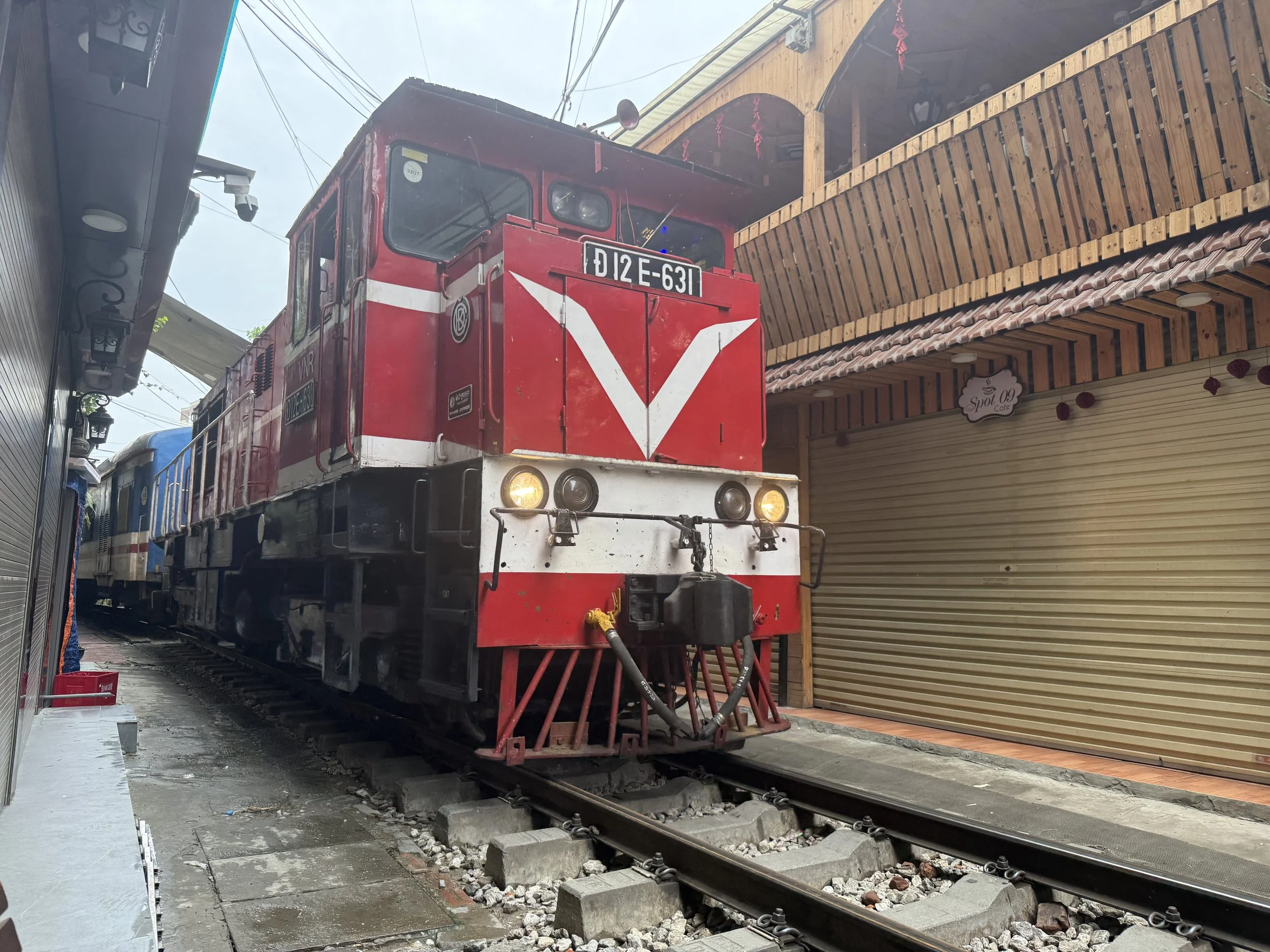
Some destinations reveal themselves immediately. Others reward you for returning, slowing down and allowing everyday life to become part of the experience.
Hanoi falls firmly into the second category.
I returned to Vietnam’s capital for my second visit from 31 May to 8 June. Part of the reason for going back was simple curiosity: could I cope with Hanoi when the temperature was hovering around 35°C?
The answer was yes - although it required a slightly different style of travel.
Rather than trying to pack every attraction into a few hurried days, I had more than a week to explore. That gave me the freedom to start early, retreat into a café during the hottest part of the day, rest when I needed to and head out again in the evening.
It turned out to be one of the best things about the trip.
A city made for wandering
Hanoi is not necessarily a city you experience by following a checklist.
Of course, there are important places to visit, but much of its character is found between them: narrow streets filled with scooters, tiny shops, pavement kitchens, old buildings, hidden cafés and people sitting on low plastic stools watching the city pass.
Having eight days meant I could wander without feeling that I was wasting time. I could turn down a street simply because it looked interesting, stop for coffee when the heat became intense or return to an area I had enjoyed the day before.
The city can initially feel chaotic. Scooters appear from every direction, pavements are often used for parking or cooking, and crossing the road requires confidence. But after a while, the movement begins to make sense. You learn to walk steadily, avoid sudden changes of direction and allow the traffic to flow around you.
Hanoi also changes throughout the day. Mornings can feel purposeful and energetic, while evenings bring people outdoors to eat, socialise and walk around Hoàn Kiếm Lake. After the heat of the afternoon, the city seems to come alive again.
Coping with the Hanoi heat
Travelling in late May and early June meant accepting that it was going to be hot.
At around 35°C, this was not the time for racing from one attraction to another. I generally found the heat manageable because I did not force myself to maintain an unrealistic pace.
Early mornings were ideal for exploring. By lunchtime, an air-conditioned café or restaurant became very appealing. A break during the afternoon made it easier to enjoy the city again later in the day.
The heat also gave me another excuse to explore one of Hanoi’s greatest pleasures: its coffee culture.
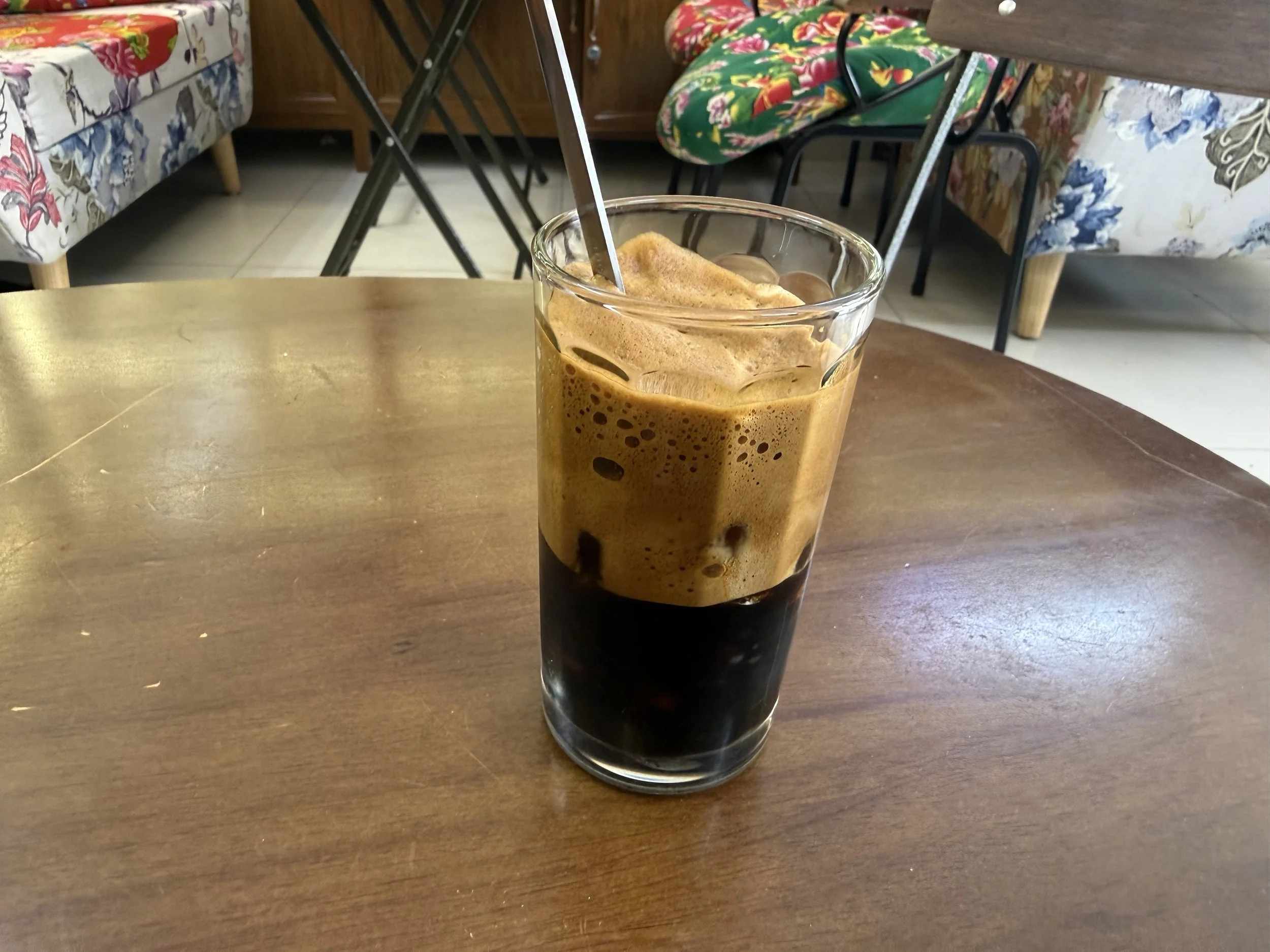
Coffee worth travelling for
Coffee in Hanoi is not simply something you grab on your way somewhere else. It is an experience in its own right.
There are cafés everywhere, ranging from modern spaces to tiny establishments hidden behind narrow entrances or up old staircases. Some overlook busy intersections, while others feel completely removed from the noise outside.
A highlight was returning to Café Giảng, the Hanoi institution associated with the creation of Vietnamese egg coffee. The café dates back to 1946, when Nguyễn Văn Giảng developed the drink while working at the Metropole Hotel. Strong Vietnamese coffee is topped with a rich, sweet egg mixture, creating something that feels halfway between a coffee and a dessert.
Café Giảng is not polished or designed purely for visitors. Its somewhat hidden entrance, close tables and constant activity are part of its charm. Sitting there with an egg coffee felt like participating in a small piece of Hanoi history.
Coffee breaks also became part of my daily rhythm. In that heat, slowing down was not an inconvenience. It was one of the best ways to observe the city.
Eating at the “Obama bun cha” restaurant
Hanoi is an exceptional food destination.
Some of the best meals are served in simple surroundings, sometimes with only a few dishes on the menu. Pho may be Vietnam’s most internationally recognised dish, but Hanoi offers far more than bowls of noodle soup.
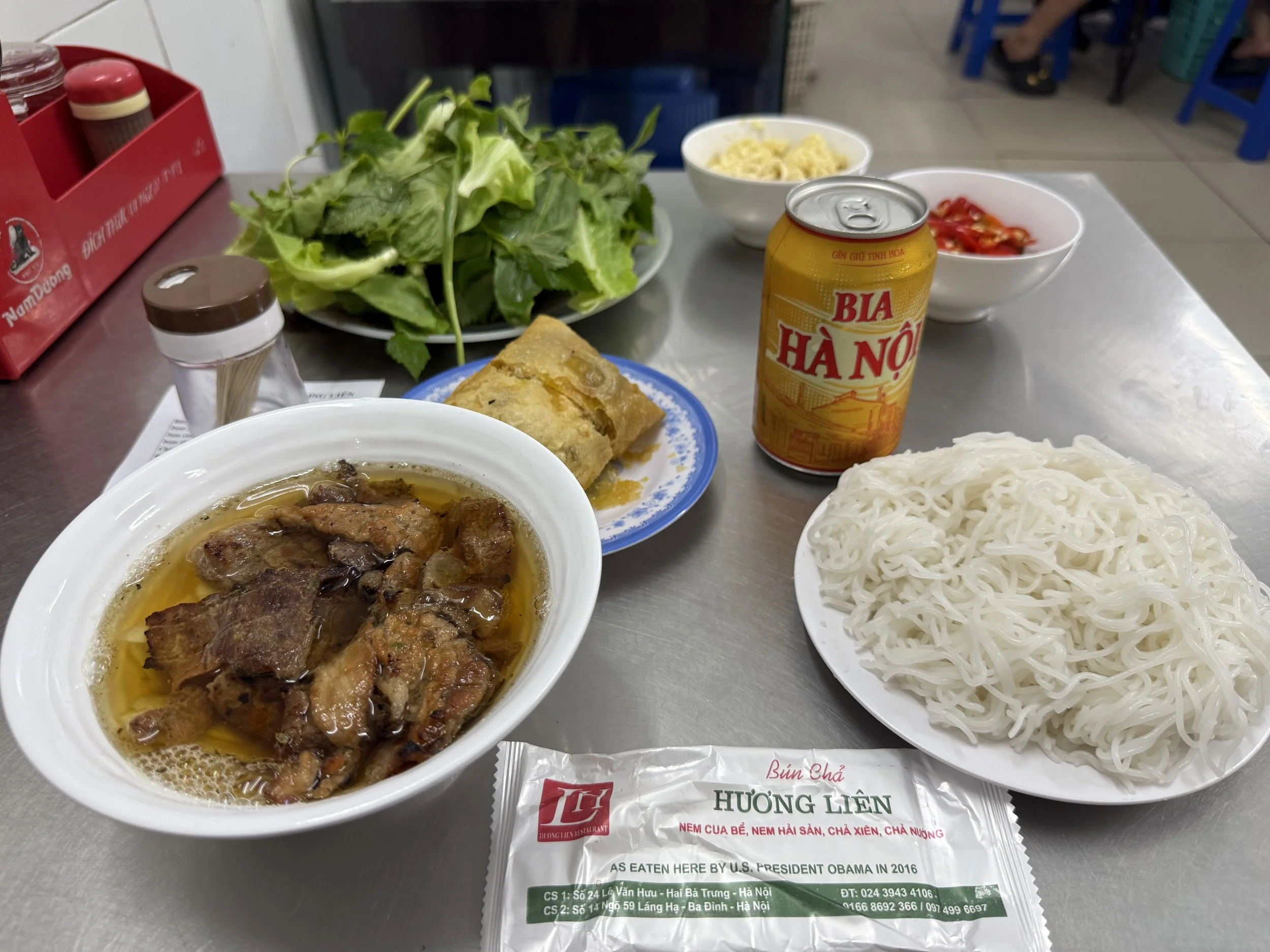
One meal I particularly wanted to experience was at Bún Chả Hương Liên, the restaurant where Anthony Bourdain ate with Barack Obama in 2016.
Bún chả is a Hanoi speciality consisting of grilled pork served with rice noodles, herbs and a dipping broth. The restaurant became internationally famous after appearing in Anthony Bourdain: Parts Unknown, but it remains a straightforward local dining experience rather than an elaborate celebrity attraction.
There is something memorable about eating the same simple Hanoi meal that was shared during such a well-known television moment. More importantly, the food itself was delicious.
Across the trip, eating was consistently one of the highlights. Hanoi rewards curiosity. A restaurant does not need an elaborate entrance or an English-language menu to deliver an excellent meal.
A day trip to Ninh Bình
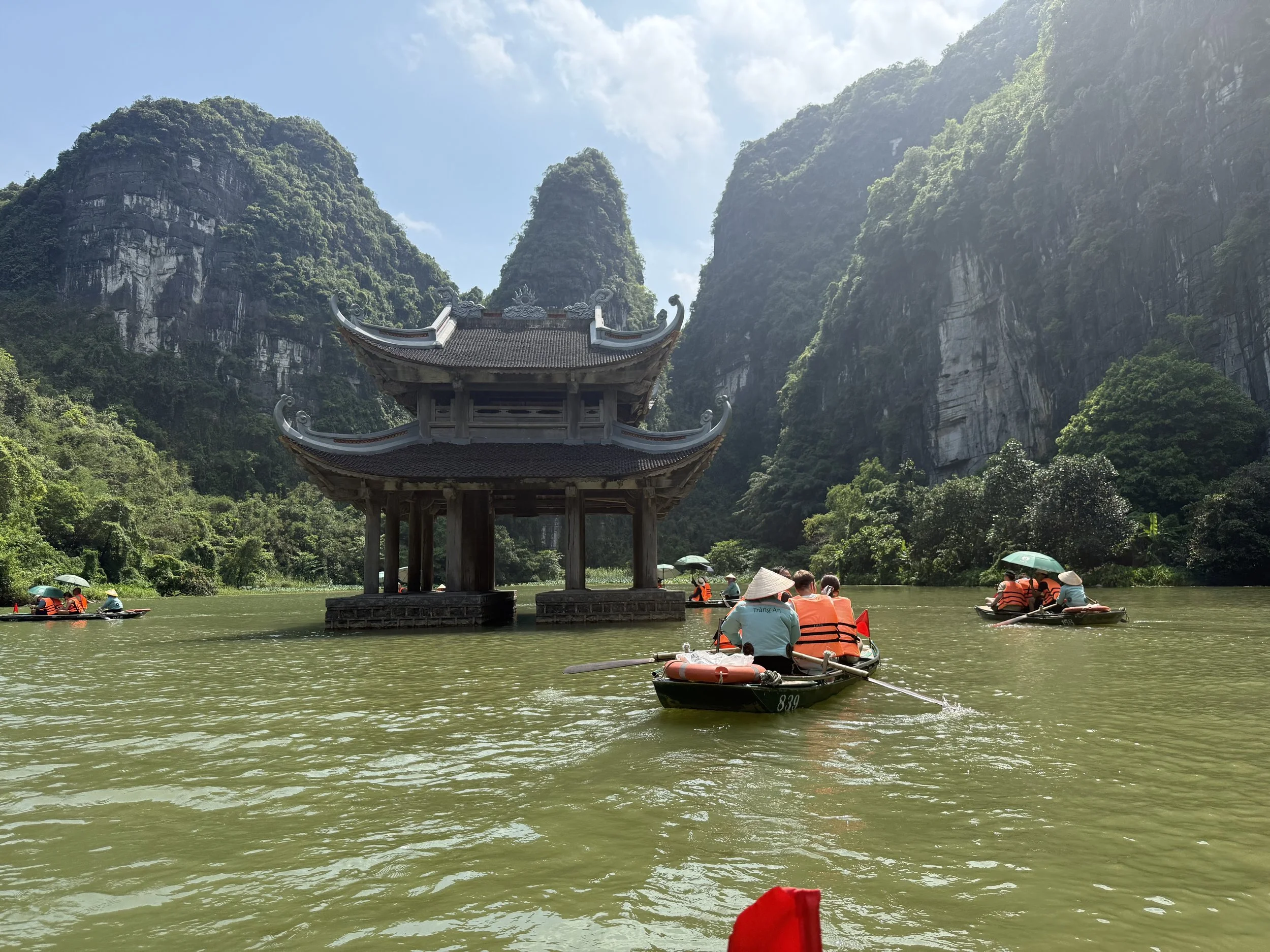
My favourite excursion outside Hanoi was a day trip to Ninh Bình, visiting Bái Đính Pagoda and Tràng An.
Bái Đính is an enormous Buddhist temple complex. The scale is impressive, but it also offers a quieter contrast to Hanoi’s constant movement. There are courtyards, statues, long covered walkways and elevated views across the surrounding countryside.
From there, the trip continued to Tràng An for a boat journey through one of northern Vietnam’s most extraordinary landscapes.
Small boats travel along calm waterways beneath towering limestone formations, passing through caves and beside temples tucked into the landscape. Ninh Bình is sometimes described as “Ha Long Bay on land,” but the experience has a character of its own. The official Vietnam tourism guide describes it as a river landscape of limestone mountains, rice fields and UNESCO-protected scenery best explored by paddleboat.
Despite being a popular visitor attraction, the boat trip felt peaceful. The scenery unfolds slowly, giving you time to appreciate the scale of the cliffs and the deep green of the landscape.
For me, Ninh Bình was the standout day trip from Hanoi.
Ha Long Bay: beautiful, but very busy
I also took a day trip to Ha Long Bay.
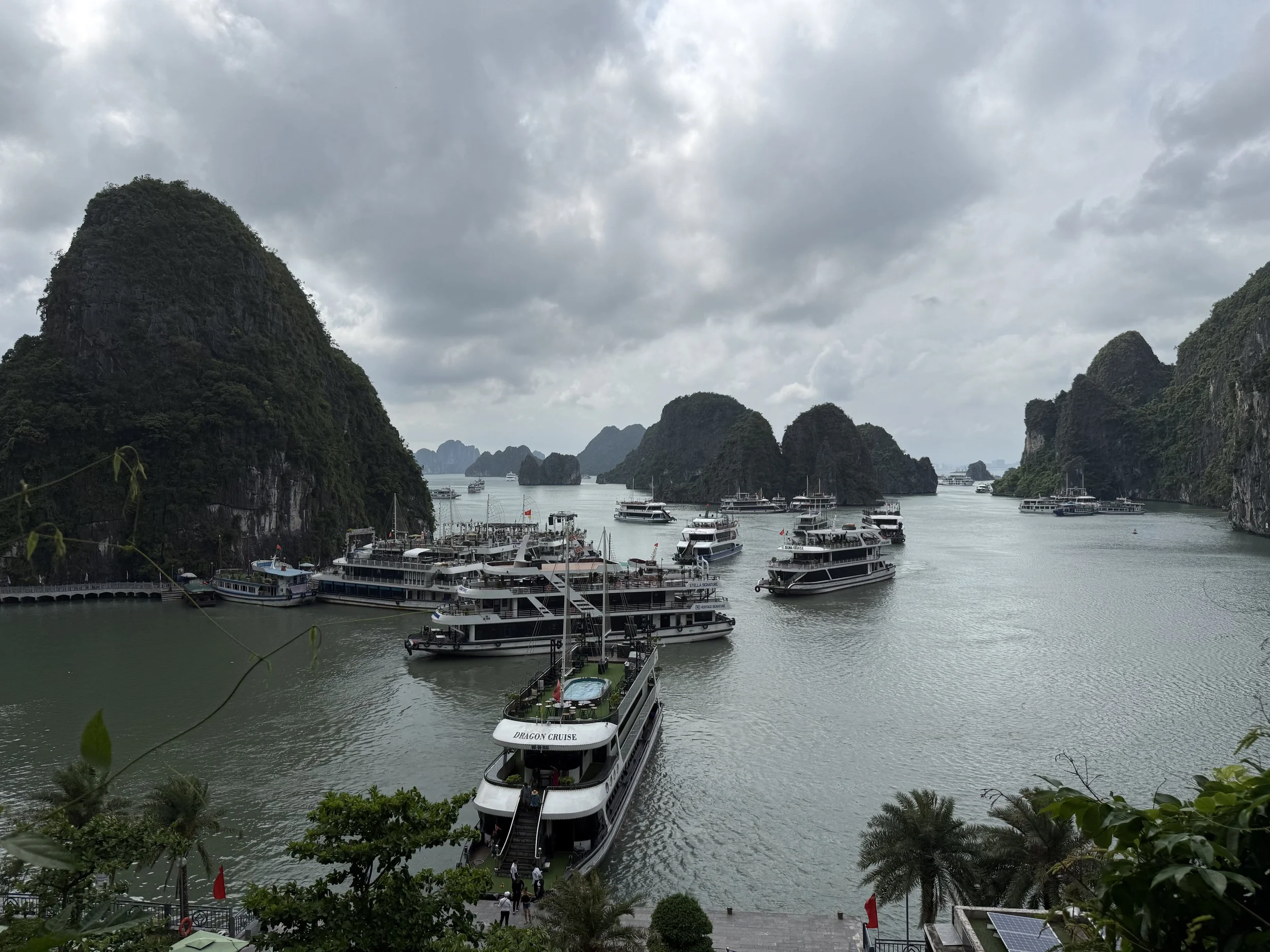
There is no question that the bay is beautiful. The limestone islands rising from the water create the type of scenery seen in countless photographs of Vietnam.
However, I was less impressed by the level of tourism around the experience.
Even though I travelled during what was considered the lower season, the main visitor areas felt crowded. Numerous tour boats followed similar routes, and some stops seemed designed to process large numbers of visitors rather than allow people to appreciate the landscape quietly.
I am still pleased I saw Ha Long Bay for myself, and many travellers will understandably consider it an essential part of their Vietnam trip. However, my personal preference was Ninh Bình. It felt more varied, more immersive and—at least during my visit—more connected to the surrounding landscape.
This is one of the advantages of returning to a destination: you become less concerned with what you are “supposed” to enjoy and more confident about recognising the experiences that genuinely appeal to you.
Travelling from Auckland via Guangzhou
I travelled from Auckland to Hanoi with China Southern Airlines, connecting through Guangzhou.
Travelling through Guangzhou provided a practical route between New Zealand and northern Vietnam. As with any connecting itinerary, it is important to consider the total journey time, the length of the transit and whether checked luggage travels through to the final destination.
This is also where working with an experienced travel agent can make a real difference. The cheapest fare displayed online is not always the best overall journey. Connection times, baggage allowances, fare conditions and support when plans change can all affect the experience.
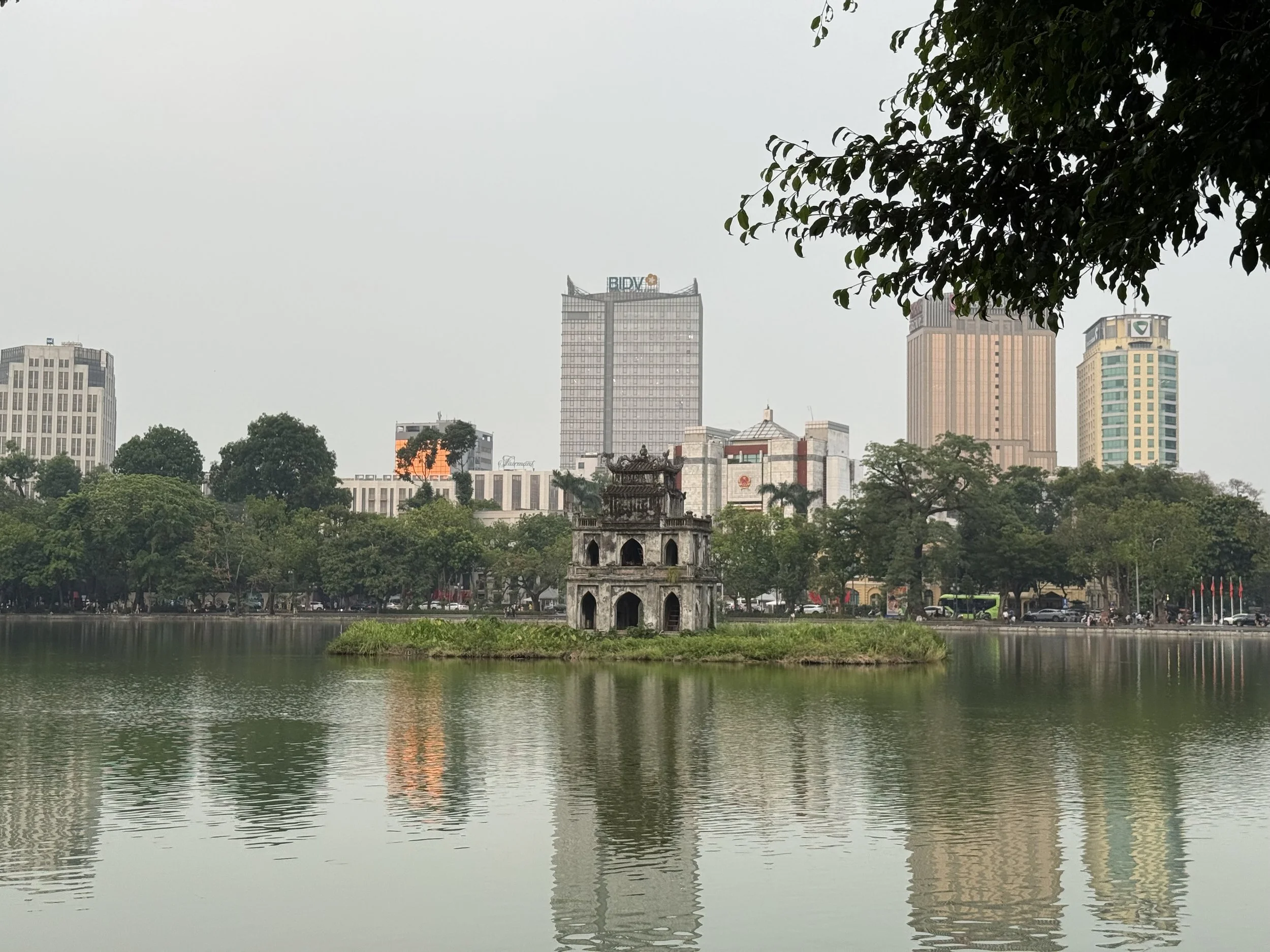
Why Hanoi deserves more than a quick stop
Hanoi is often treated as the starting point for trips elsewhere in northern Vietnam. Travellers arrive, spend two or three nights in the Old Quarter and then leave for Ha Long Bay, Ninh Bình or Sapa.
The excursions are worthwhile, but Hanoi itself deserves time.
Staying longer allowed me to move beyond the major attractions and settle into the city’s daily rhythm. I could wander, revisit favourite cafés, try different foods and take breaks without worrying that I was falling behind schedule.
Yes, it was hot. Yes, the traffic was intense. And yes, Ha Long Bay felt more crowded than I had hoped.
But Hanoi remained fascinating, welcoming and deeply rewarding.
My second visit confirmed that it is not simply a city to pass through. It is a destination where the pleasure often comes from slowing down, paying attention and allowing yourself time to explore.
For travellers from New Zealand looking for culture, memorable food, excellent coffee and easy access to some of northern Vietnam’s most dramatic landscapes, Hanoi deserves a place near the top of the list.
Talk to Target Travel about creating a Hanoi itinerary that gives you enough time to experience the city properly—along with the right flights, accommodation and day trips for the way you prefer to travel.
America — The Beautiful Game

Brand USA Trade Expo, Auckland · 18 February 2026
Auckland turned a little more star-spangled on 18 February as tourism partners, airlines and travel sellers gathered for the Brand USA Trade Expo — and the theme couldn’t have been more fitting: “America – The Beautiful Game.” With the USA’s 250th anniversary in 2026 and the FIFA World Cup 2026 fast approaching, the message was clear — the United States isn’t just open to New Zealanders… it’s rolling out the welcome mat.
For many Kiwis, the US can still feel distant or complicated. But the expo emphasised the opposite: travel is easier, friendlier and more accessible than ever. Visa processes are straightforward, connections are plentiful, and regional destinations are actively courting visitors from Aotearoa.
Destinations that stole the show
California dazzled with its contrast — surf mornings in Santa Monica, wine afternoons in Napa, and desert sunsets in Palm Springs.
Utah showcased its “Mighty Five” national parks — otherworldly red rock landscapes that feel closer to Mars than Earth.
Arizona leaned into iconic Americana — Route 66 diners, Monument Valley horizons, and the Grand Canyon at sunrise.
Louisiana offered rhythm and soul — New Orleans jazz, Creole food and festivals that make every night feel like a celebration.
Texas promised scale and personality — Austin’s music scene, Dallas sophistication and wide-open ranch country.
Easy to get there
Air connectivity has never been stronger.
Air New Zealand and United Airlines continue seamless trans-Pacific connections.
Qantas expands options via Australia.
Delta Air Lines grows its network through major US hubs, opening the South and East Coast.
The takeaway from the expo was simple: the US isn’t a place to be cautious about — it’s a place to be curious about. In 2026, America will be celebrating, hosting the world’s biggest sporting event, and inviting Kiwis to be part of it.
From deserts to jazz bars to national parks — this is the year to go.

Discover Korea

We were fortunate to be able to attend Discover Korea in association with the Korea Tourism Organization.

South Korea is located between China and Japan. About a 12 hour direct flight from Auckland, New Zealand. It has a population of ~51 million people.
As a destination, it’s growing in popularity with Kiwi tourists. 42,000 visited in 2024.
We work with the in-country tour operators to tailor the perfect South Korea experience trip for you. There are so many options. Talk to us about what you want to get out of your trip and we’ll make it happen. History and Culture, Cherry Blossoms (Mid-March to early April), Skiing (in the NZ Summertime!), K-Pop and food!! South Korea has it all.





Some of the companies we work with:
Golden Tour Korea - check them out for Medical Tourism!
G Adventures - small group tours
Jane Tour Korea - based in Seoul but touring the country.
Pack Ya Bags - destinations across the globe.
Exotic Holidays - Have amazing options across the Far East. Japan, China, Hong Kong, Macau, South Korea and Taiwan. Many other destinations to think about too.
World Journeys - NZ owned and operated with specialist knowledge
Airlines:
Korean Air - Boeing 787-9 between Auckland and Seoul/Incheon
Malaysia Airlines - launching the new Airbus A330neo on the route. Don’t forget the opportunity to stopover in Kuala Lumpur!
China Airlines - two stopovers - Brisbane and Taipei.
Singapore Airlines - via Singapore.
Contact us at info@targettravel.co.nz for more information
Why Should You Use a Travel Agent?

Our planning and booking service is provided free of charge. We take the time to research and narrow down choices based on your preferences, which makes coordinating arrangements worry-free and mitigate the risk of leaving out crucial elements. We know all the questions to ask initially to simplify the process and we book everything correctly from the beginning. We are skilled at calculating travel times and logistics – how it will all fit together and allowing enough time so it’s not too stressful but not too long a wait either.
We have access to most of the product you can access through an online entity and we can match deals 99% of the time. We also have excellent relationships with suppliers which can lead to value-added savings like free breakfasts and free room upgrades.
We can coordinate all components of your trip into one booking and give you a full itinerary incorporating all the arrangements from departure to arrival back in your home town. We can also arrange Travel Insurance as part of the package.
You have 24/7 access to us if something goes wrong – we are there for you any time in an emergency. One call to us and we can adjust all facets of your entire trip if you have booked through us. We are real humans not “chat bots”. Getting through to an Online booking agency and getting assistance can be a nightmare.
You can simplify your payments – just one or two payments needed to cover your whole trip and we can usually reserve any land arrangements with only a small (or no) deposit and hold them until one month prior to departure (depending on the Suppliers’ terms and conditions).
We are a BONDED Travel Agency through TAANZ (Travel Agents’ Association of NZ) and our client funds are held separately and securely through their Bonding Scheme. Booking through us means you are protected by New Zealand Law. If you book through an Online booking agent based overseas, there is no guarantee you can get your money back, should something go wrong or you are unable to travel.
It's time to plan for the future!
I don’t know about you but I am really looking forward to being able to get on to an aircraft and fly again.
Traveling around New Zealand and supporting local in the short-term is definitely important, and we can help you put together a fun Kiwi escape, but the call of overseas travel is as strong as ever.
So, where are you planning to go?
If Australia opens up first (likely), Tasmania would be really interesting as a destination. Also think about WA - you can have many different experiences in that State.
Personally? I’m keen to get to South-East Asia. Vietnam, Cambodia, Laos, Or Thailand. So many choices.
Let us know what you’re thinking. What are your dreams?
Africa Update from World Journeys
We recently attended an update evening hosted by our friends at World Journeys.
This continent is still the bucket list destination.
If you’re looking for a luxury trip of a lifetime, let us know. We’ll make it happen.
Rail Journeys are increasingly popular. Check out Rovos Rail or The Blue Train for unforgettable experiences. Both these operators provide luxury and an entirely different perspective.
You have many options available to you - from short stays at a luxury lodge overlooking a waterhole to an amazing luxurious fully-escorted 22 day Safari that takes you through Qatar, Tanzania and Ethiopia. Countries of breathtaking beauty, ancient histories, and so much to see, do and experience.
There are always offers available so check with us.
These currently include:
andBeyond Botswana - Mobile Camping Expeditions
Staying at one of three beautiful lodges belonging to The Dulini Collection
Or visiting the exclusive 5-star Savanna Private Game Reserve may be more you?
Sabi Sabi Private Game Reserve is also extremely popular.
Let us know if you’d like more information on any of these.
^SD
Discover Tasmania

We recently had the pleasure of attending an event promoting Tasmania as a destination. I have to say, what an amazing place Tasmania is.
Three quick take-aways from the event are:
it’s ideal for Kiwis wanting to see a different side of Australia.
it’s perfect for those who love food and drink, and wilderness and wildlife,
it’s really easy to get to.
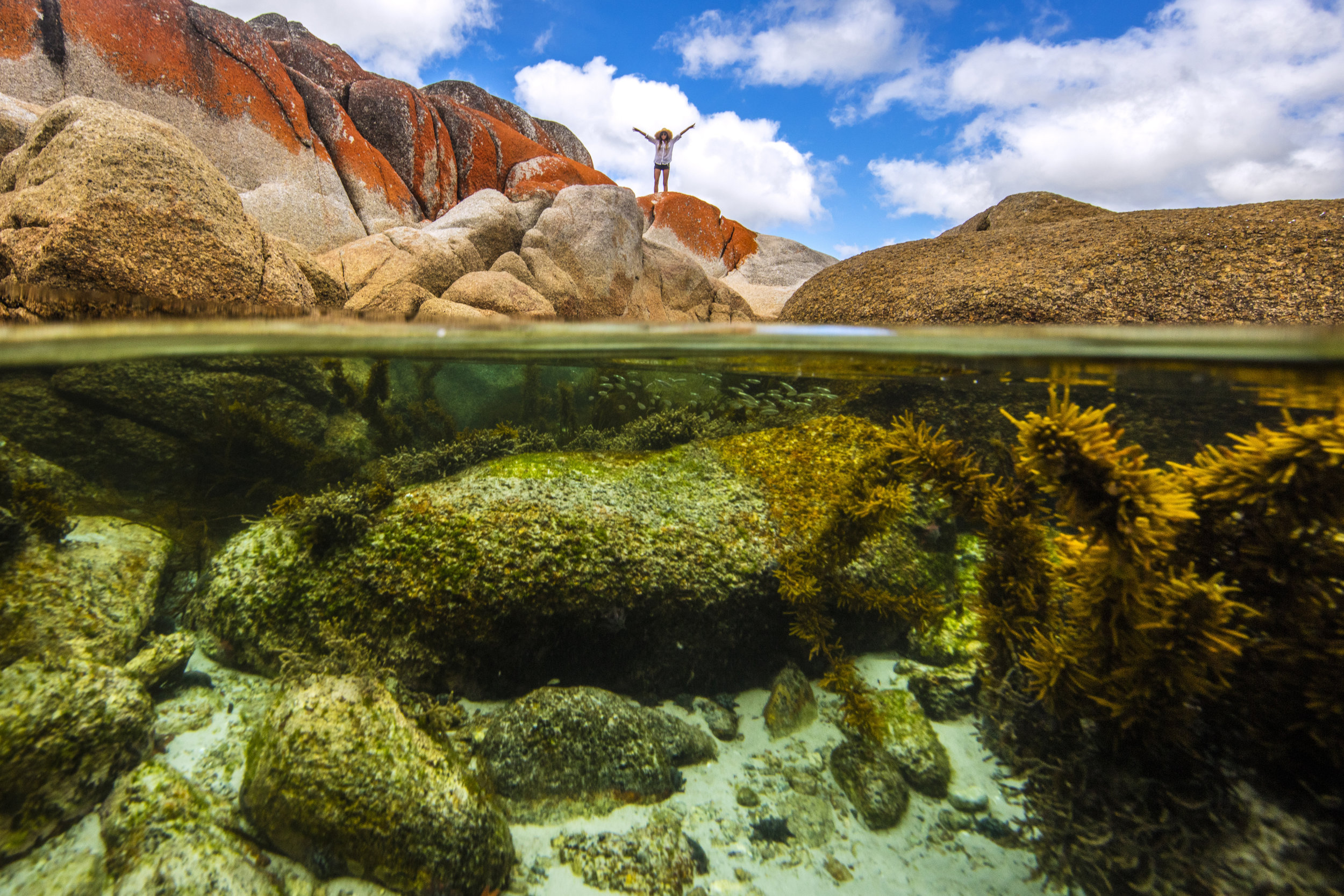
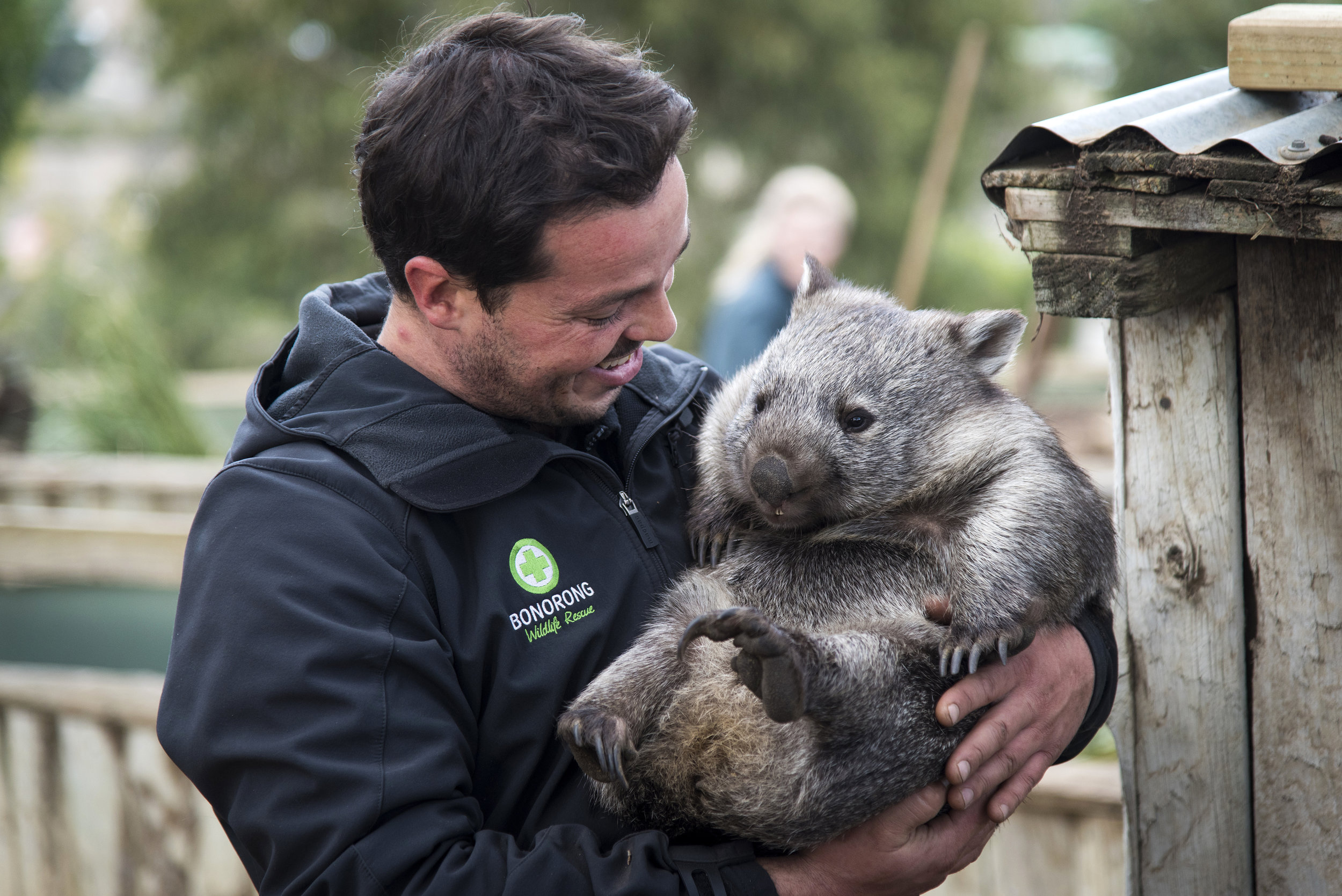
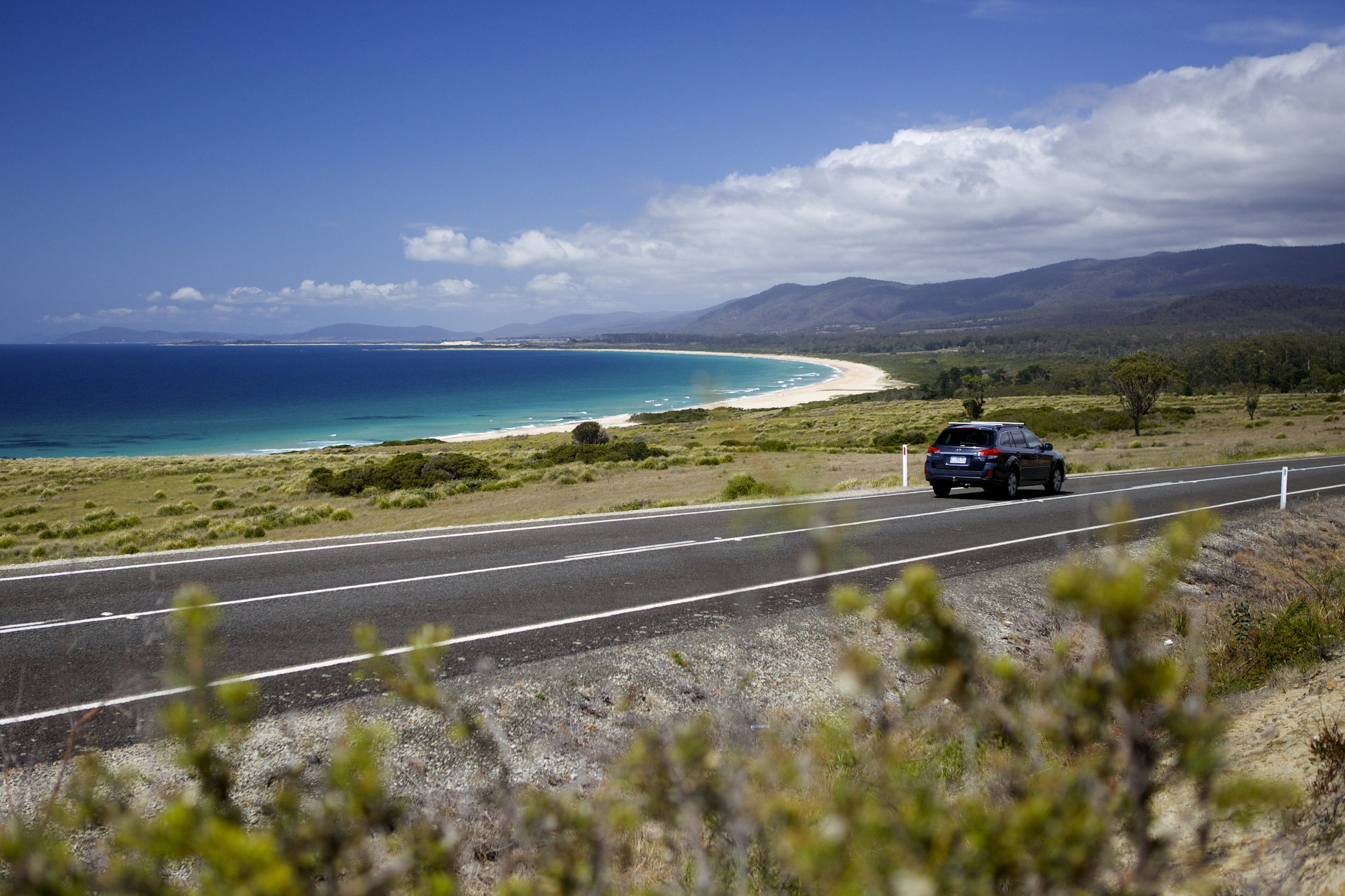
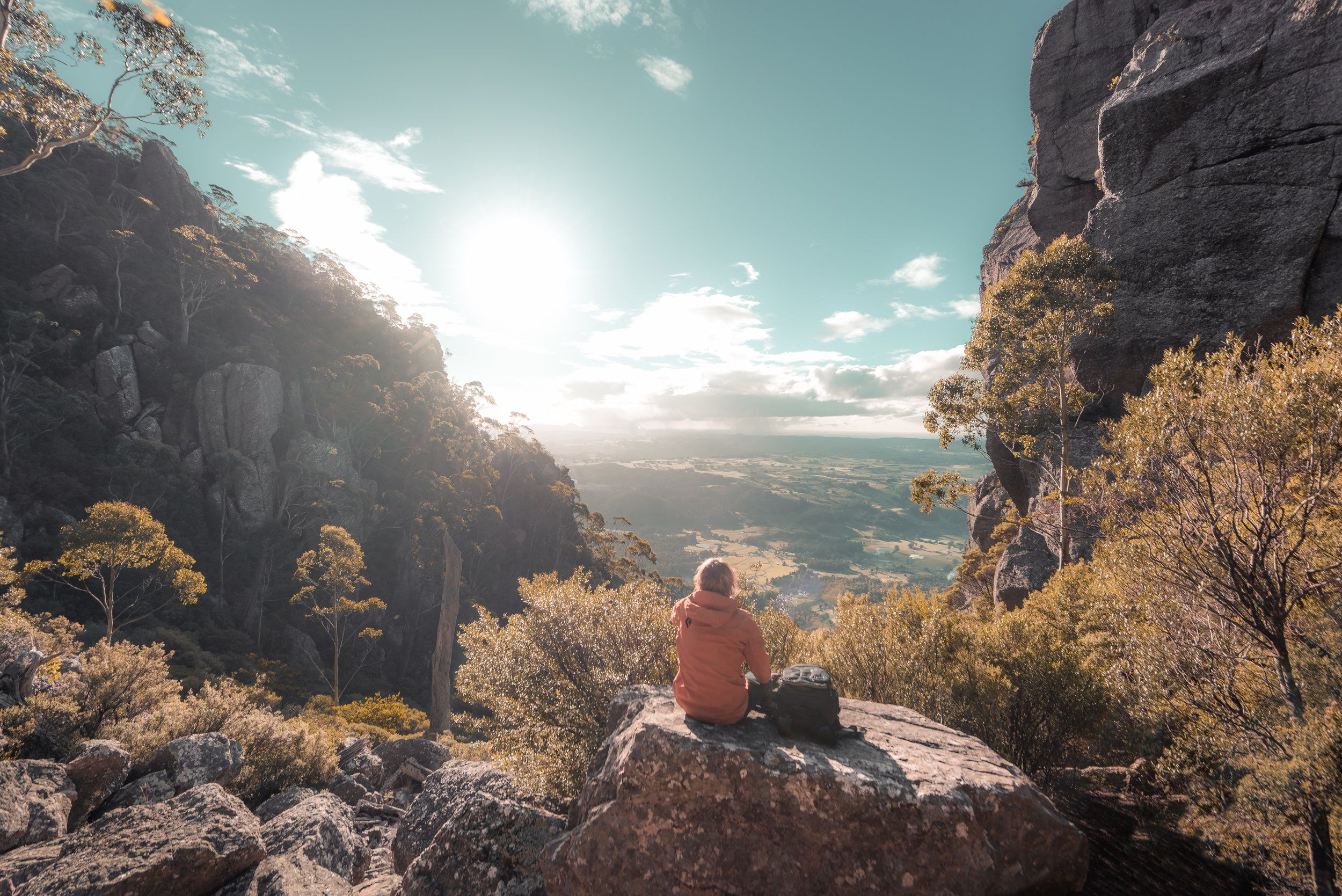
Reading up about the destination, I learned that 40% of Tasmania is protected through National Parks, reserves and conservation areas. Highlights include The Western Wilds, Cradle Mountain, the West Coast Wilderness Railway, The Tarkine Drive and the Cradle to Coast Tasting Trail.
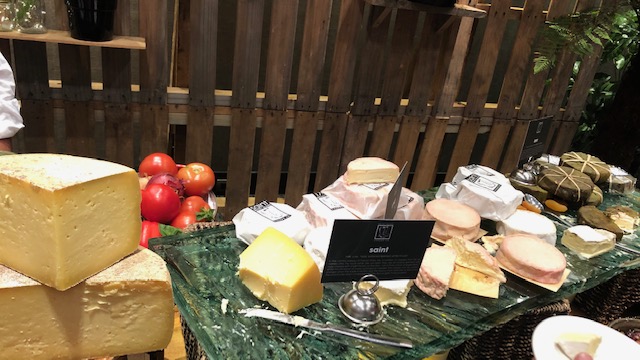
As a foodie, I have to say it was really great meeting the Cheesemaker and tasting some of Bruny Island Cheese’s best. It would be well worth a visit to the factory.
I got a strong impression that Tasmania really did feel like ‘home’. It’s a place I’m quite sure you’d enjoy if you want to do something a little different for an Australian getaway.
^SD
The USA is still a popular destination!

Every year we get updates from the Brand USA team. They bring many vendors: destinations, States, experiences, and hoteliers to our shores.
It’s always great to be reminded of the amazing discoveries that that vast land holds.
I’d like to highlight a few things that caught my eye.
it’s easy to get to. Many airlines fly to a number of destinations in North America. There are so many different routings that we can use.
Disney is opening their Star Wars experience - Galaxy’s Edge very very soon. It’s going to be astonishing.
I really want to explore The Great American West - the States of Idaho, Montana, North Dakota, South Dakota and Wyoming. Incredible landscapes, wildlife, craft breweries and distillieries.
Oregon is also fabulous. Perfect for an American Road Trip.
One of my favourite destinations, Zion National Park in Utah, is celebrating its 100th anniversary as a National Park. If you’ve never been there, you must. It’s breathtaking.
There are many more places to explore.
Call us for ideas and suggestions.
^SD
Check back often for updates