
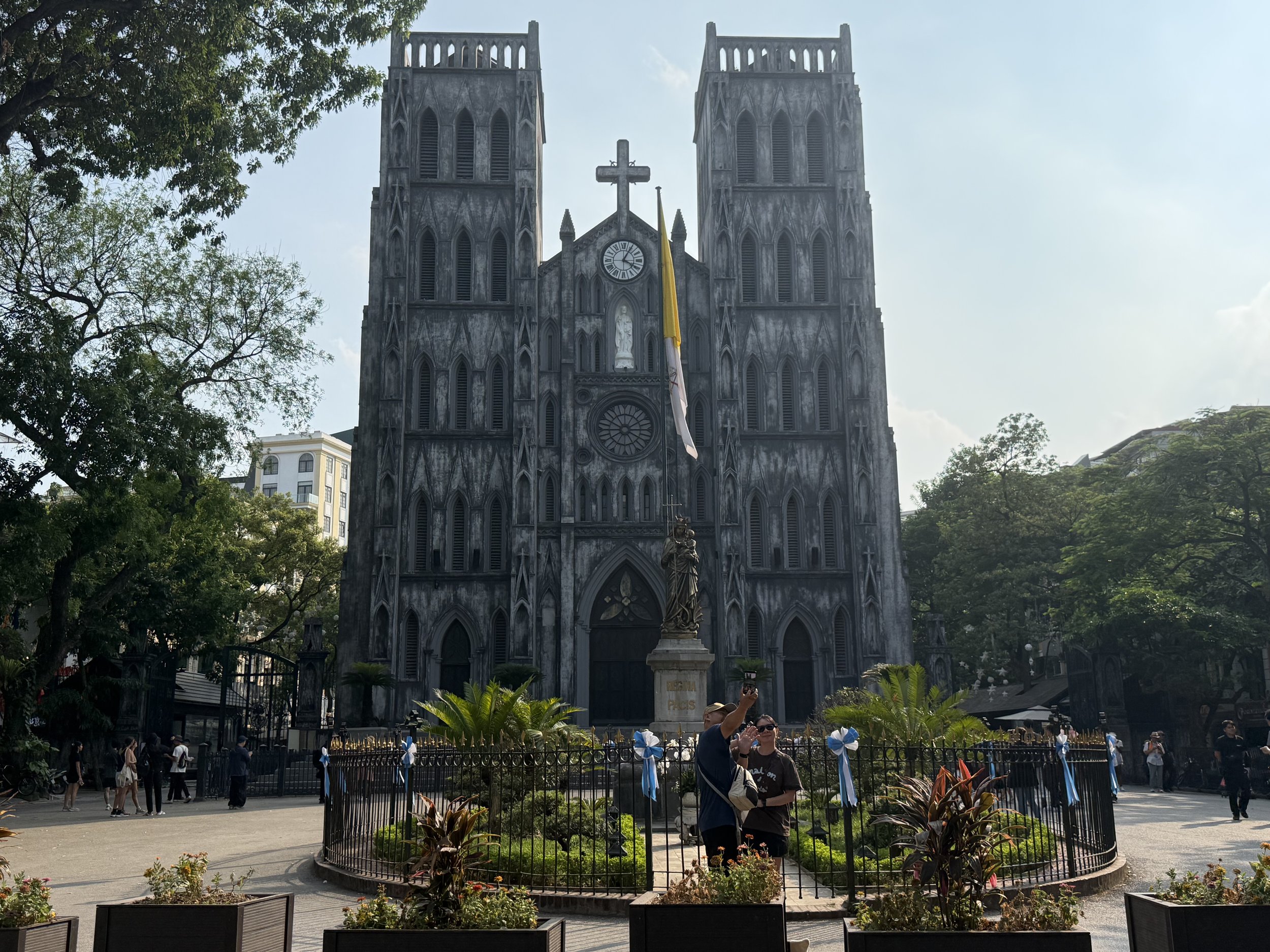
Hanoi at 35°C: Why My Second Visit Was Even Better
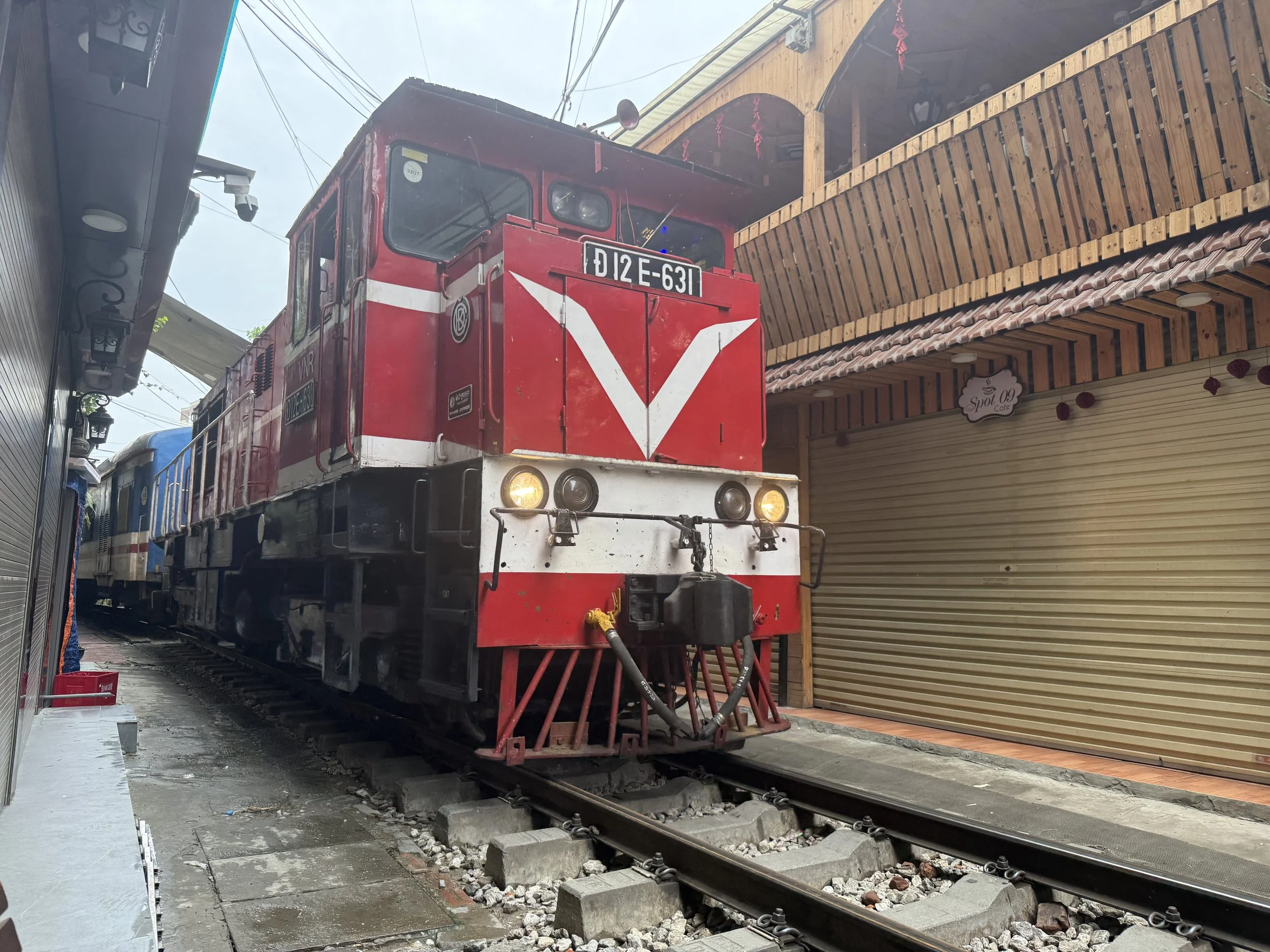
Some destinations reveal themselves immediately. Others reward you for returning, slowing down and allowing everyday life to become part of the experience.
Hanoi falls firmly into the second category.
I returned to Vietnam’s capital for my second visit from 31 May to 8 June. Part of the reason for going back was simple curiosity: could I cope with Hanoi when the temperature was hovering around 35°C?
The answer was yes - although it required a slightly different style of travel.
Rather than trying to pack every attraction into a few hurried days, I had more than a week to explore. That gave me the freedom to start early, retreat into a café during the hottest part of the day, rest when I needed to and head out again in the evening.
It turned out to be one of the best things about the trip.
A city made for wandering
Hanoi is not necessarily a city you experience by following a checklist.
Of course, there are important places to visit, but much of its character is found between them: narrow streets filled with scooters, tiny shops, pavement kitchens, old buildings, hidden cafés and people sitting on low plastic stools watching the city pass.
Having eight days meant I could wander without feeling that I was wasting time. I could turn down a street simply because it looked interesting, stop for coffee when the heat became intense or return to an area I had enjoyed the day before.
The city can initially feel chaotic. Scooters appear from every direction, pavements are often used for parking or cooking, and crossing the road requires confidence. But after a while, the movement begins to make sense. You learn to walk steadily, avoid sudden changes of direction and allow the traffic to flow around you.
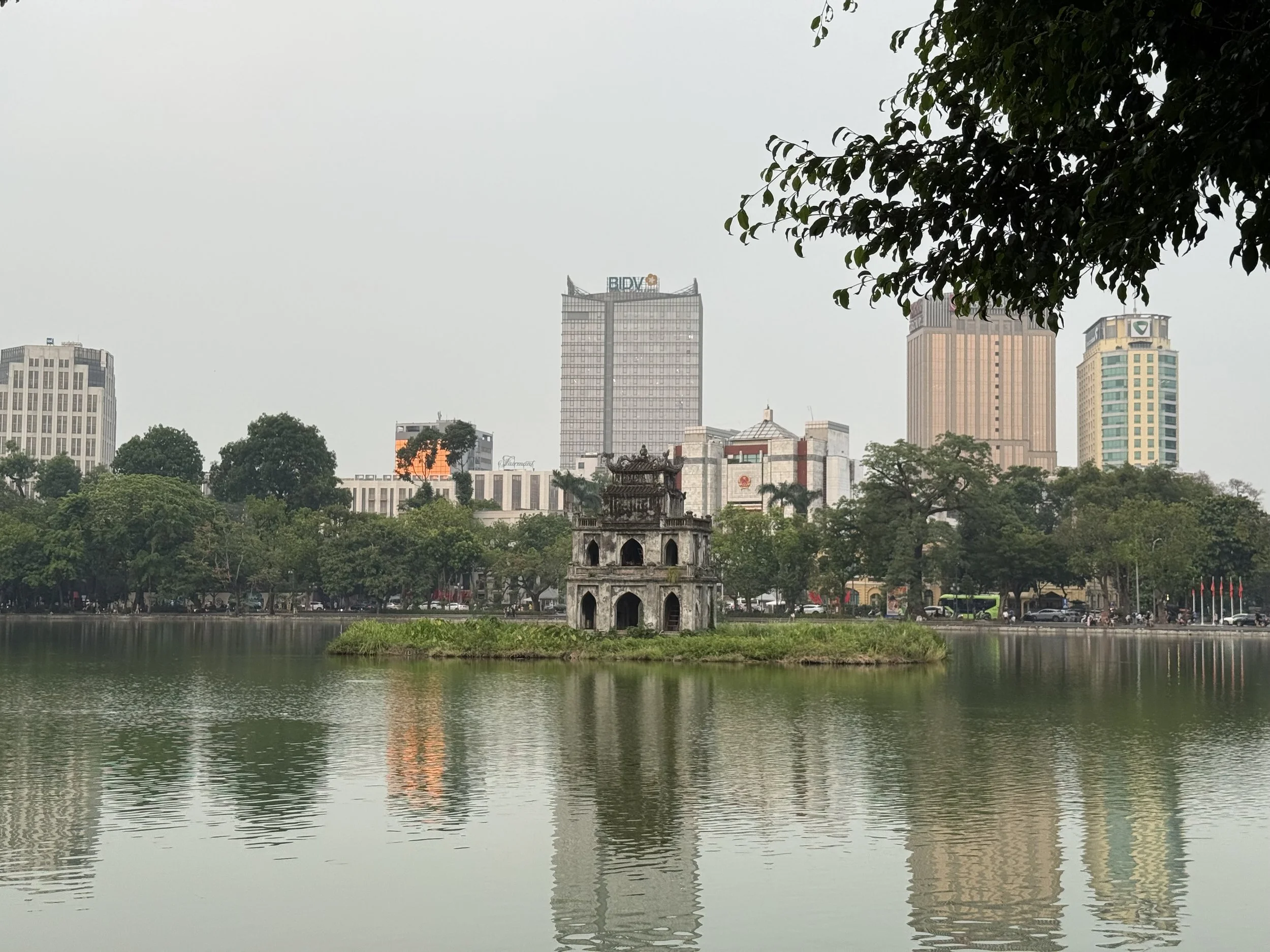
Hanoi also changes throughout the day. Mornings can feel purposeful and energetic, while evenings bring people outdoors to eat, socialise and walk around Hoàn Kiếm Lake. After the heat of the afternoon, the city seems to come alive again.
Coping with the Hanoi heat
Travelling in late May and early June meant accepting that it was going to be hot.
At around 35°C, this was not the time for racing from one attraction to another. I generally found the heat manageable because I did not force myself to maintain an unrealistic pace.
Early mornings were ideal for exploring. By lunchtime, an air-conditioned café or restaurant became very appealing. A break during the afternoon made it easier to enjoy the city again later in the day.
The heat also gave me another excuse to explore one of Hanoi’s greatest pleasures: its coffee culture.
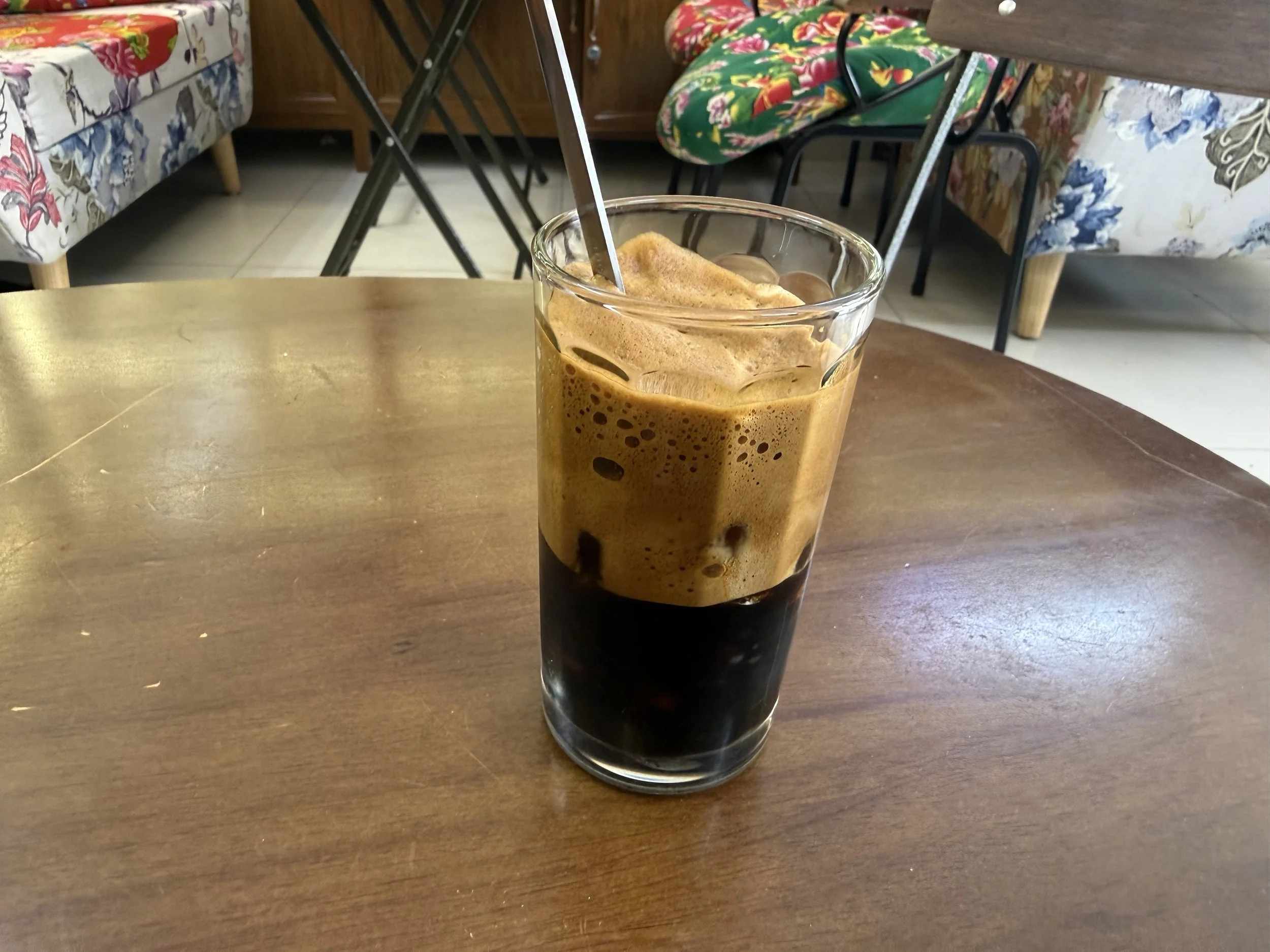
Coffee worth travelling for
Coffee in Hanoi is not simply something you grab on your way somewhere else. It is an experience in its own right.
There are cafés everywhere, ranging from modern spaces to tiny establishments hidden behind narrow entrances or up old staircases. Some overlook busy intersections, while others feel completely removed from the noise outside.
A highlight was returning to Café Giảng, the Hanoi institution associated with the creation of Vietnamese egg coffee. The café dates back to 1946, when Nguyễn Văn Giảng developed the drink while working at the Metropole Hotel. Strong Vietnamese coffee is topped with a rich, sweet egg mixture, creating something that feels halfway between a coffee and a dessert.
Café Giảng is not polished or designed purely for visitors. Its somewhat hidden entrance, close tables and constant activity are part of its charm. Sitting there with an egg coffee felt like participating in a small piece of Hanoi history.
Coffee breaks also became part of my daily rhythm. In that heat, slowing down was not an inconvenience. It was one of the best ways to observe the city.
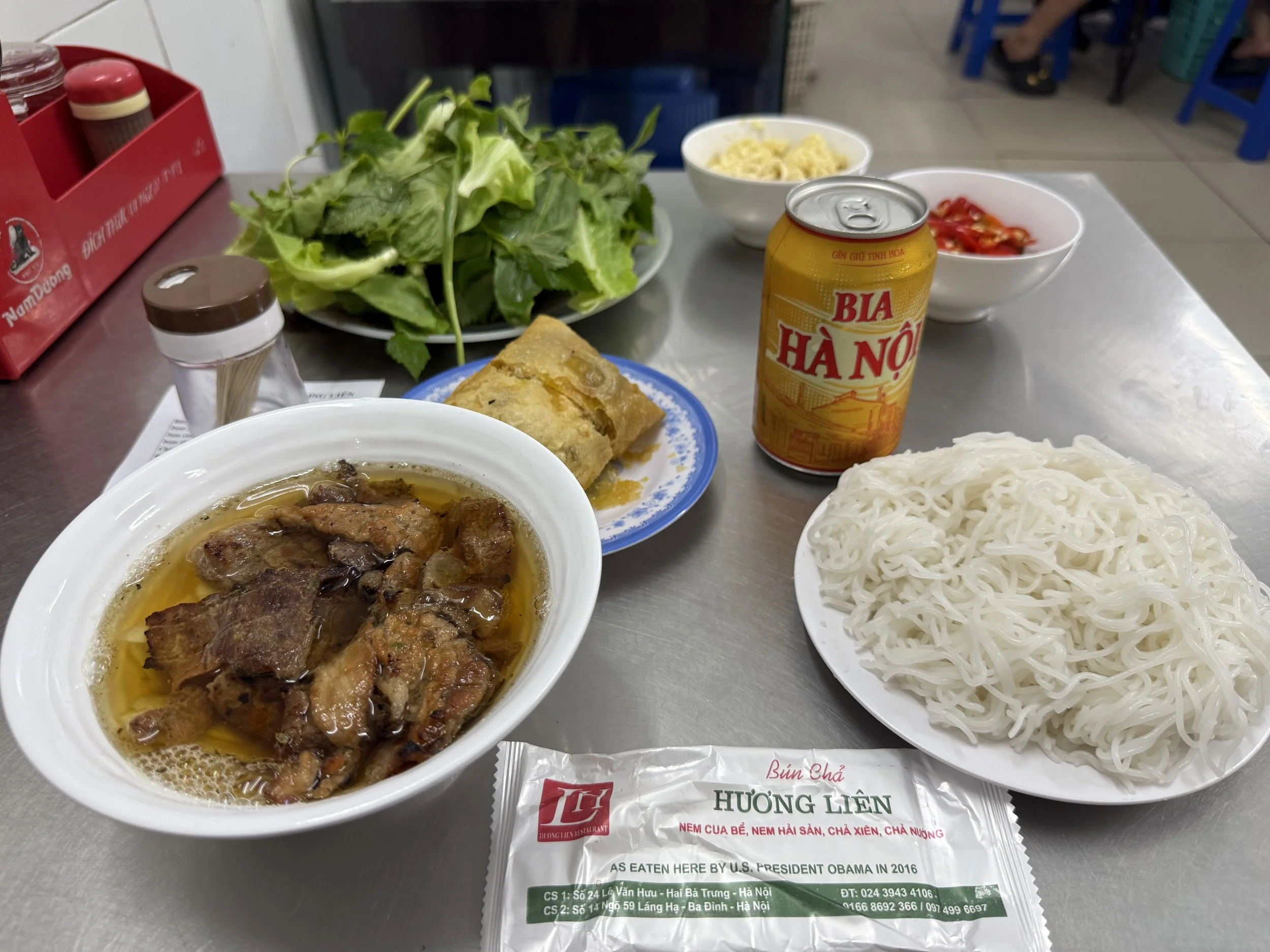
Eating at the “Obama bun cha” restaurant
Hanoi is an exceptional food destination.
Some of the best meals are served in simple surroundings, sometimes with only a few dishes on the menu. Pho may be Vietnam’s most internationally recognised dish, but Hanoi offers far more than bowls of noodle soup.
One meal I particularly wanted to experience was at Bún Chả Hương Liên, the restaurant where Anthony Bourdain ate with Barack Obama in 2016.
Bún chả is a Hanoi speciality consisting of grilled pork served with rice noodles, herbs and a dipping broth. The restaurant became internationally famous after appearing in Anthony Bourdain: Parts Unknown, but it remains a straightforward local dining experience rather than an elaborate celebrity attraction.
There is something memorable about eating the same simple Hanoi meal that was shared during such a well-known television moment. More importantly, the food itself was delicious.
Across the trip, eating was consistently one of the highlights. Hanoi rewards curiosity. A restaurant does not need an elaborate entrance or an English-language menu to deliver an excellent meal.
A day trip to Ninh Bình
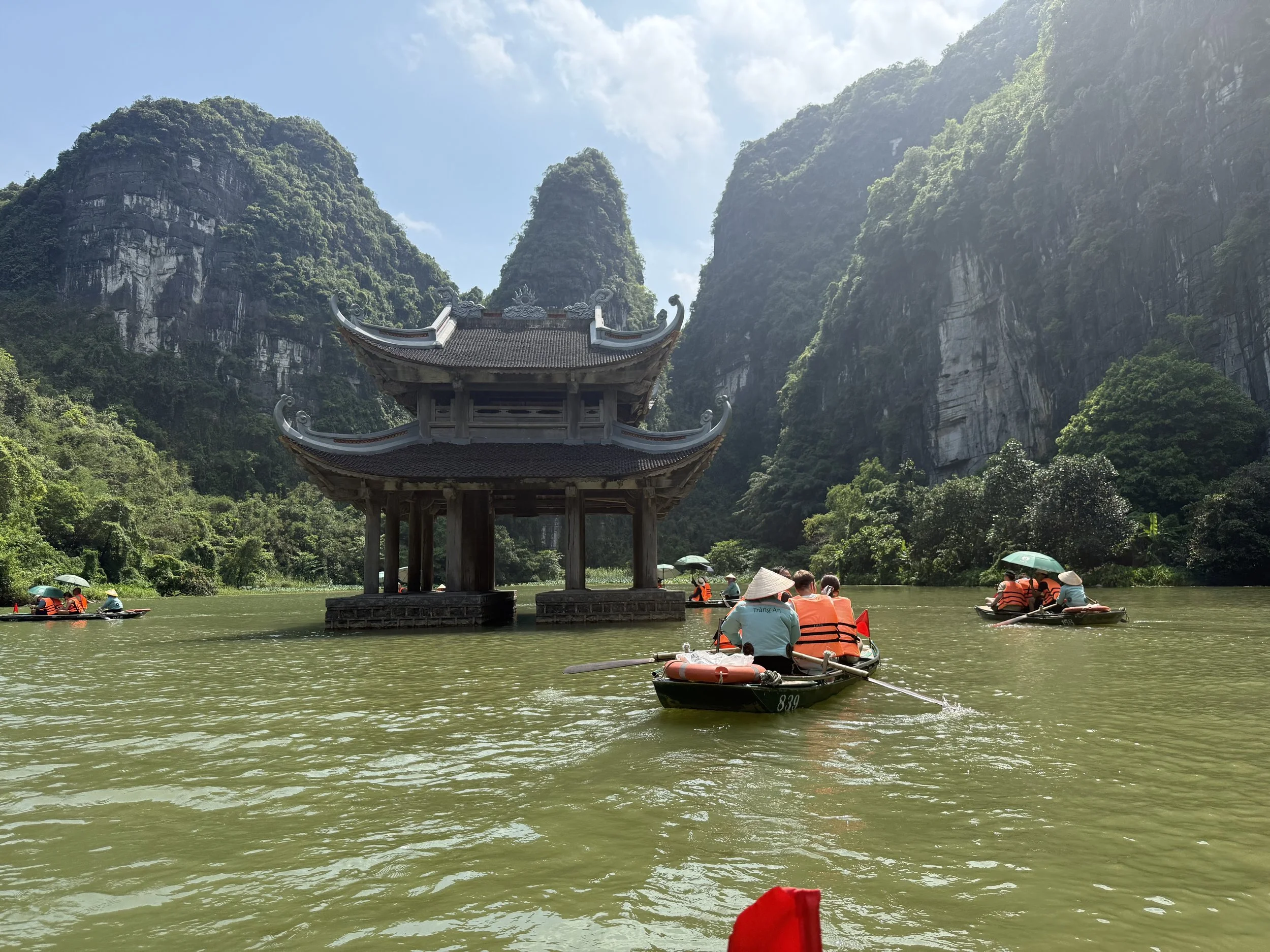
My favourite excursion outside Hanoi was a day trip to Ninh Bình, visiting Bái Đính Pagoda and Tràng An.
Bái Đính is an enormous Buddhist temple complex. The scale is impressive, but it also offers a quieter contrast to Hanoi’s constant movement. There are courtyards, statues, long covered walkways and elevated views across the surrounding countryside.
From there, the trip continued to Tràng An for a boat journey through one of northern Vietnam’s most extraordinary landscapes.
Small boats travel along calm waterways beneath towering limestone formations, passing through caves and beside temples tucked into the landscape. Ninh Bình is sometimes described as “Ha Long Bay on land,” but the experience has a character of its own. The official Vietnam tourism guide describes it as a river landscape of limestone mountains, rice fields and UNESCO-protected scenery best explored by paddleboat.
Despite being a popular visitor attraction, the boat trip felt peaceful. The scenery unfolds slowly, giving you time to appreciate the scale of the cliffs and the deep green of the landscape.
For me, Ninh Bình was the standout day trip from Hanoi.
Ha Long Bay: beautiful, but very busy
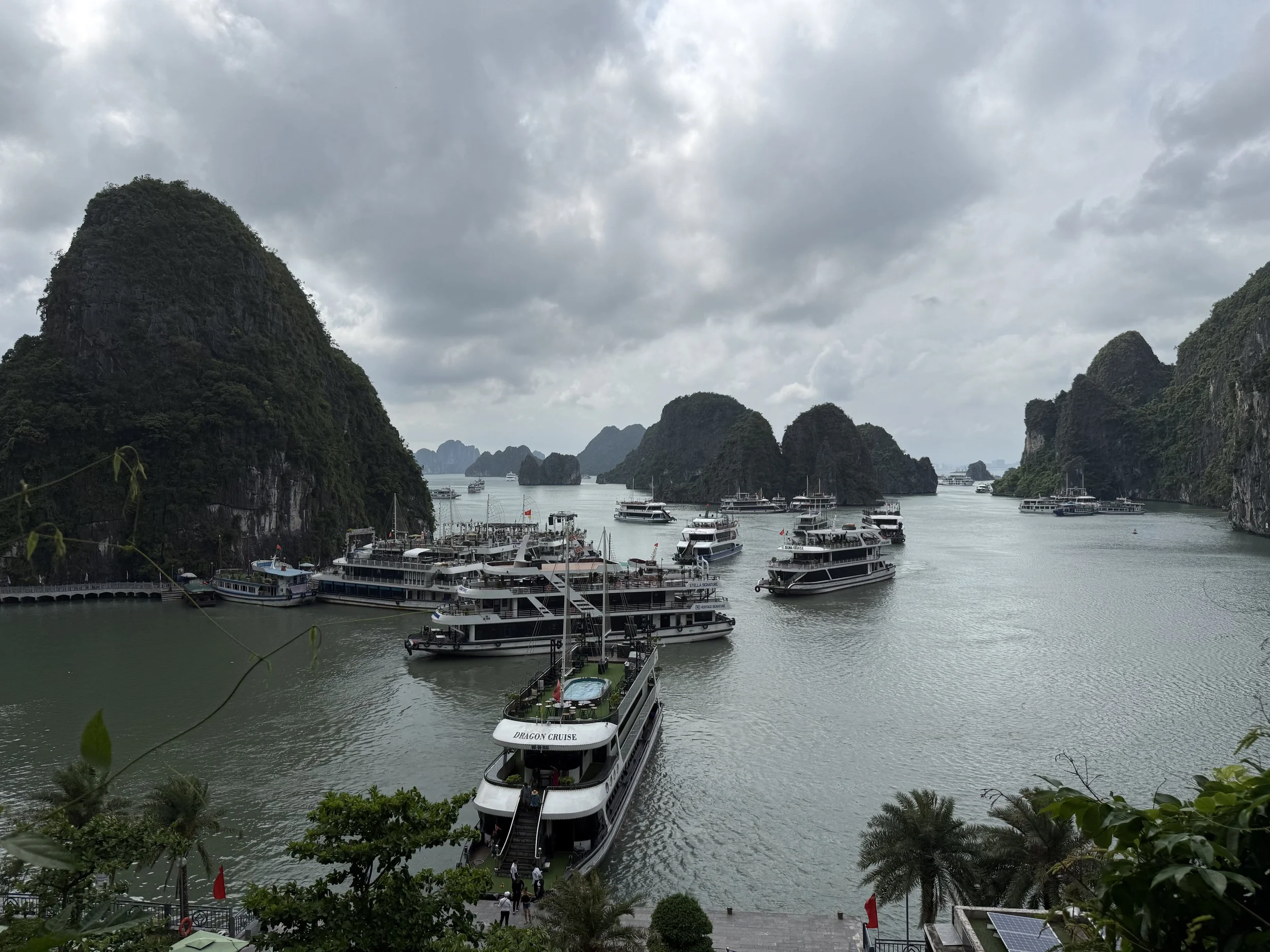
I also took a day trip to Ha Long Bay.
There is no question that the bay is beautiful. The limestone islands rising from the water create the type of scenery seen in countless photographs of Vietnam.
However, I was less impressed by the level of tourism around the experience.
Even though I travelled during what was considered the lower season, the main visitor areas felt crowded. Numerous tour boats followed similar routes, and some stops seemed designed to process large numbers of visitors rather than allow people to appreciate the landscape quietly.
I am still pleased I saw Ha Long Bay for myself, and many travellers will understandably consider it an essential part of their Vietnam trip. However, my personal preference was Ninh Bình. It felt more varied, more immersive and—at least during my visit—more connected to the surrounding landscape.
This is one of the advantages of returning to a destination: you become less concerned with what you are “supposed” to enjoy and more confident about recognising the experiences that genuinely appeal to you.
Travelling from Auckland via Guangzhou
I travelled from Auckland to Hanoi with China Southern Airlines, connecting through Guangzhou.
Travelling through Guangzhou provided a practical route between New Zealand and northern Vietnam. As with any connecting itinerary, it is important to consider the total journey time, the length of the transit and whether checked luggage travels through to the final destination.
This is also where working with an experienced travel agent can make a real difference. The cheapest fare displayed online is not always the best overall journey. Connection times, baggage allowances, fare conditions and support when plans change can all affect the experience.
Why Hanoi deserves more than a quick stop
Hanoi is often treated as the starting point for trips elsewhere in northern Vietnam. Travellers arrive, spend two or three nights in the Old Quarter and then leave for Ha Long Bay, Ninh Bình or Sapa.
The excursions are worthwhile, but Hanoi itself deserves time.
Staying longer allowed me to move beyond the major attractions and settle into the city’s daily rhythm. I could wander, revisit favourite cafés, try different foods and take breaks without worrying that I was falling behind schedule.
Yes, it was hot. Yes, the traffic was intense. And yes, Ha Long Bay felt more crowded than I had hoped.
But Hanoi remained fascinating, welcoming and deeply rewarding.
My second visit confirmed that it is not simply a city to pass through. It is a destination where the pleasure often comes from slowing down, paying attention and allowing yourself time to explore.
For travellers from New Zealand looking for culture, memorable food, excellent coffee and easy access to some of northern Vietnam’s most dramatic landscapes, Hanoi deserves a place near the top of the list.
Talk to Target Travel about creating a Hanoi itinerary that gives you enough time to experience the city properly—along with the right flights, accommodation and day trips for the way you prefer to travel.
Check back often for updates