
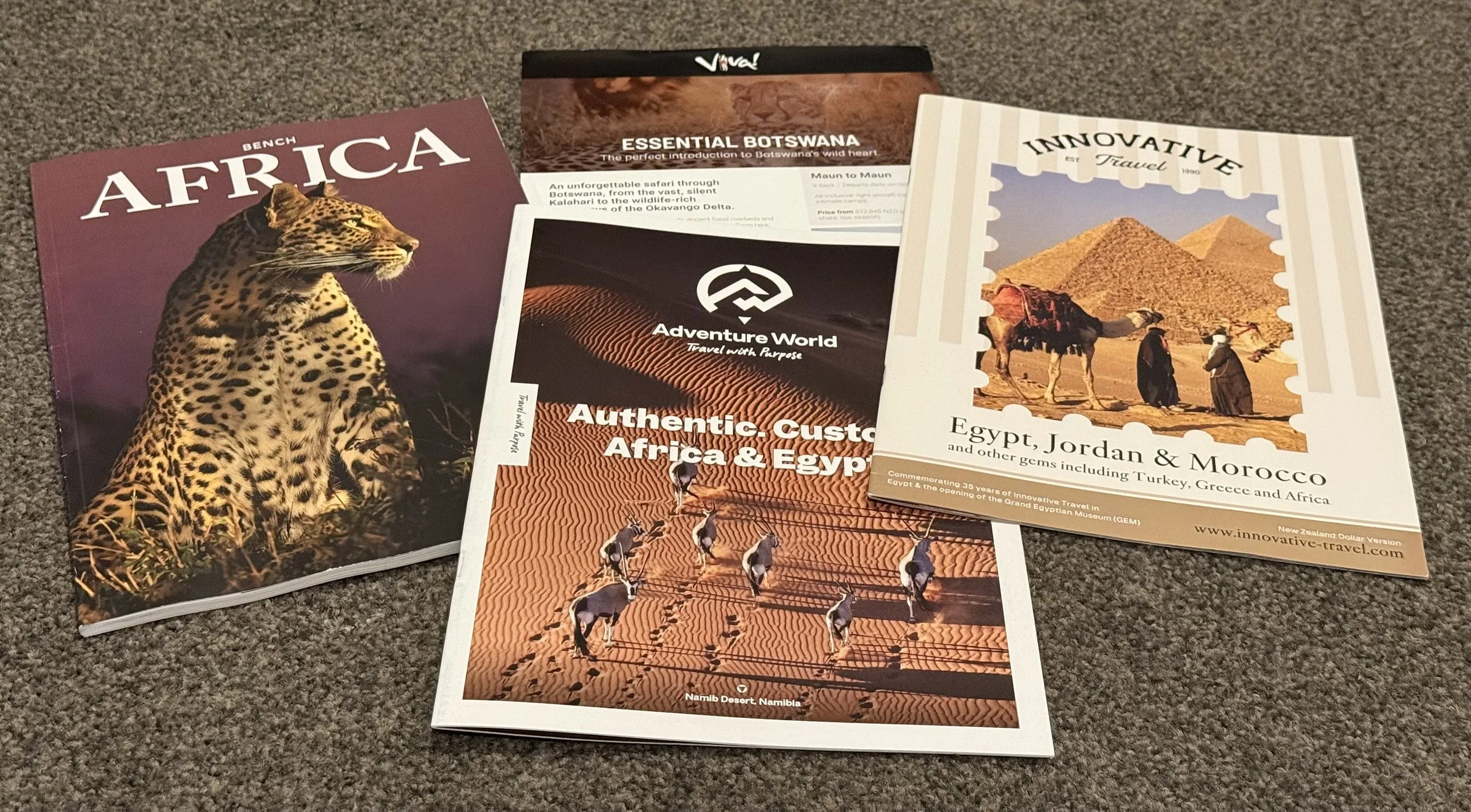
Africa Is Closer Than You Think
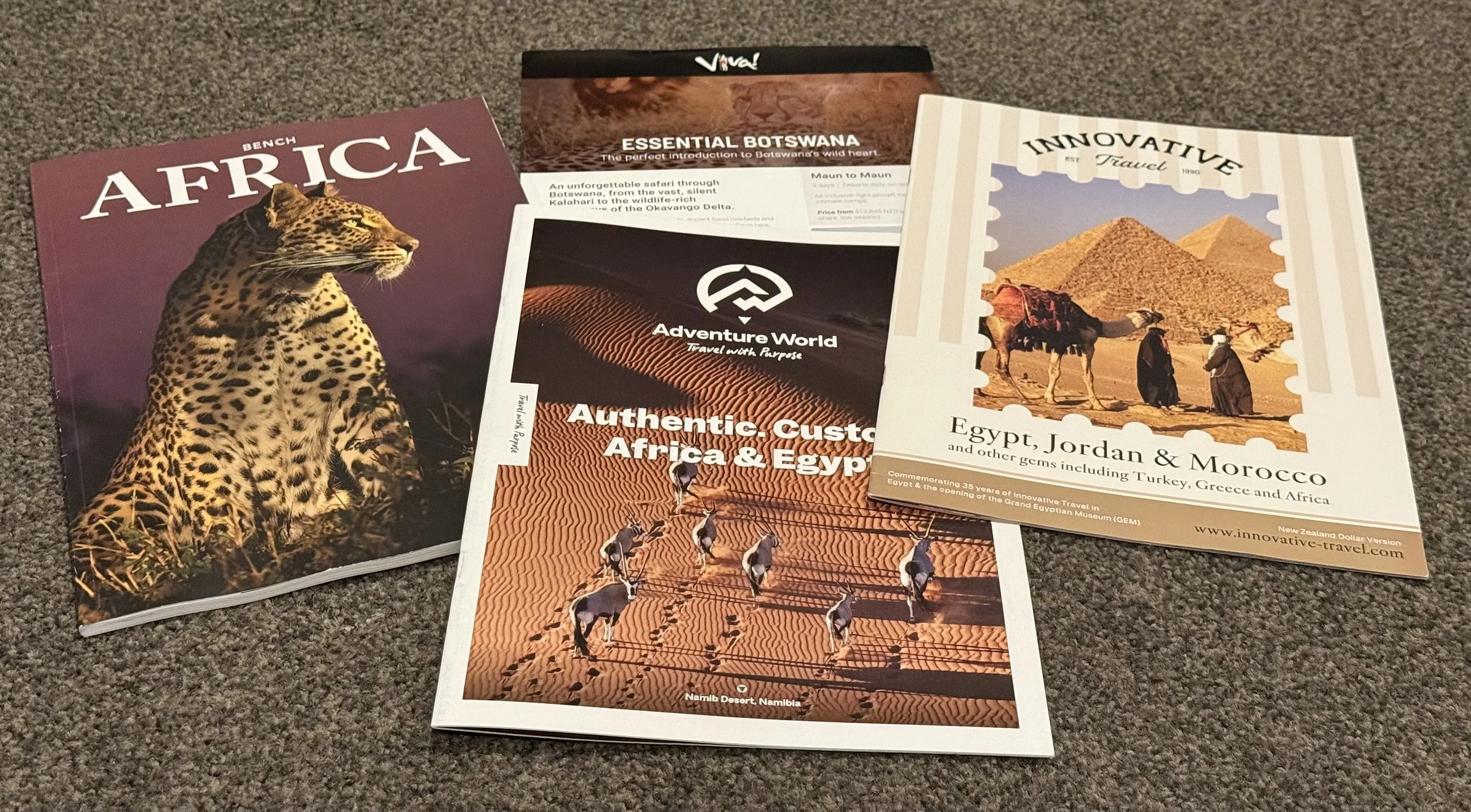
Africa has always occupied a special place in the traveller’s imagination with vast landscapes, extraordinary wildlife, rich cultures and experiences that simply cannot be replicated anywhere else.
After attending the Africa Showcase in Auckland, one message came through clearly: Africa is not only for the ultra-luxury traveller, nor does it need to remain indefinitely on the “one day” list.
There are ways to experience the continent at almost every level—from self-drive holidays and small-group overland adventures to private game reserves, luxury lodges and some of the world’s most elegant train journeys.
We also heard that New Zealand has been one of South Africa’s strongest post-pandemic growth markets. Australasian travellers are returning to Africa with confidence and often staying longer once they arrive.
South Africa: an ideal introduction
For many New Zealand travellers, South Africa is the natural place to begin.
The country combines wildlife, cities, wine regions, beaches, food, history and culture within one remarkably varied destination. South African comedian Trevor Noah captures some of this personality in the country’s international tourism campaign — presenting South Africa as welcoming, energetic and impossible to define through just one experience.
A first visit might combine Cape Town and the Winelands with a safari in or around Kruger National Park. Travellers with more time could add the Garden Route, Johannesburg, Pretoria or KwaZulu-Natal.
Durban deserves particular attention. It offers a coastal city atmosphere, warm weather, Indian-influenced cuisine and access to Zulu culture. It can also be combined with nearby wildlife areas, making it possible to experience the beach, a vibrant city and Big Five country within the same holiday.
The key takeaway from the Durban representatives at the showcase was simple: value for money.
Kruger: public park or private reserve?
Kruger National Park remains one of Africa’s defining safari destinations.
One of the most important planning decisions is whether to stay inside the public national park, in a private lodge concession or in one of the private reserves bordering Kruger.
A public national park experience
Kruger can be explored in your own vehicle, making it an excellent option for independent travellers. Accommodation ranges from straightforward public rest camps to more exclusive lodges operating within park concessions.
A self-drive safari offers:
Greater independence and flexibility
More affordable accommodation choices
The excitement of finding wildlife yourself
The ability to travel at your own pace
It also requires more preparation. You must follow park roads, opening hours and wildlife rules, and sightings are entirely dependent on patience, timing and good fortune.
A private game reserve experience
A private reserve normally offers guided game drives, smaller lodges and a more personalised programme. Depending on the reserve, guides may be permitted to travel off-road for particular sightings, while the number of vehicles around an animal is often controlled.
Private lodge packages commonly include meals, game drives and selected activities. They cost more, but they remove much of the logistical work and can provide a deeper understanding of animal behaviour, conservation and the surrounding ecosystem.
Neither option is automatically better. The right choice depends on your budget, confidence, interests and desired level of comfort. Many of the best itineraries combine both.
The Aquila Collection also offers accessible safari experiences in South Africa’s Western Cape. Its portfolio includes Big Five reserves and the impressive Kuganha Luxury Tented Lodge, creating opportunities to add a wildlife experience without travelling all the way to Kruger.
For families or travellers seeking a more hotel-style base near safari country, the Radisson Safari Hotel Hoedspruit offers another approach, including family-friendly facilities and access to the wider Kruger-to-Canyons region.
East Africa: iconic wildlife and remarkable seasons
While South Africa is a wonderful starting point, Kenya and Tanzania offer an entirely different safari atmosphere.
In northern Kenya, Samburu is known for species that are less commonly seen elsewhere. Collectively known as the Samburu Special Five, these include the reticulated giraffe, Grevy’s zebra, Somali ostrich, gerenuk and beisa oryx.
The region feels drier, more remote and visually distinct from the greener plains of the Maasai Mara.
Further south, Ashnil Mara Camp sits inside the Maasai Mara National Reserve, close to the Mara River. Although the famous river crossings receive much of the attention later in the year, the Mara is a rewarding wildlife destination in other months too. April can offer excellent opportunities for travellers particularly interested in the region’s lions, leopards and cheetahs, often with fewer visitors than during the migration peak.
In Tanzania, February and March can be extraordinary in the southern Serengeti and Ndutu region. This is the calving stage of the Great Migration, when enormous herds gather on the short-grass plains.
The sheer number of newborn animals also attracts predators. It can be an intense, dramatic and deeply moving time to visit.
Africa is strongly seasonal, but there is no single “best” month for everyone. The right season depends on whether your priority is migration, big cats, birdlife, fewer vehicles, photography, greenery or dry-season game viewing.
Botswana and Zambia: water, wilderness and space
Botswana offers some of the continent’s most distinctive landscapes.
The Okavango Delta is a vast inland wetland where channels, floodplains and islands create an unusual combination of land- and water-based safari experiences. Depending on the season and location, travellers may explore by game-drive vehicle, boat or traditional mokoro canoe.
Botswana is particularly suited to travellers seeking space, exceptional guiding and a feeling of remoteness.
Zambia should also be high on the list, especially for repeat safari travellers.
One of the standout combinations presented at the showcase was Royal Zambezi Lodge and Lion Camp. The eight-day journey links the Lower Zambezi with South Luangwa, combining river activities, game drives and walking safaris.
Lion Camp sits within South Luangwa National Park, an area celebrated for leopards and guided walking safaris. Royal Zambezi Lodge adds the river dimension, with opportunities for canoeing, cruises, fishing and wildlife viewing along the Zambezi.
Africa by road—or by rail
A safari does not always need to begin with a flight into a luxury lodge.
South Africa is well suited to carefully planned self-driving. This can work particularly well when combining Cape Town, the Winelands, the Garden Route and selected wildlife areas. Accommodation groups such as Dream Hotels & Resorts provide options across multiple regions, allowing travellers to build a more independent itinerary.
For those who want a longer and more social adventure, Nomad Africa Tours & Safaris offers extensive small-group journeys. Its tour range includes 42-day and 57-day itineraries crossing multiple countries and ecosystems.
We were interested to hear that many Nomad guests are aged 55 and over. African overland travel is not reserved for backpackers in their twenties. Travellers with time, curiosity and a sense of adventure can experience a substantial section of the continent through one extended journey.
At the opposite end of the transport spectrum is Rovos Rail.
Based in Pretoria, Rovos Rail recreates the romance of elegant rail travel through Southern Africa. Journeys include accommodation, meals, drinks and excursions, allowing guests to unpack and watch the landscapes unfold.
It is also an experience with a sense of occasion. Dinner is formal, and gentlemen should remember to pack a jacket and tie.
Beyond safari: Morocco’s Atlas Mountains
Africa should not be considered only as a wildlife destination.
In Morocco, Kasbah Tamadot offers a completely different experience. Part of Sir Richard Branson’s Virgin Limited Edition collection, the retreat sits in the foothills of the Atlas Mountains, approximately an hour from Marrakech.
Its individually designed rooms, riads and Berber-style tents combine mountain scenery, Moroccan hospitality and quiet luxury. It could form part of a broader Moroccan journey or provide a relaxing conclusion after the colour and energy of Marrakech.
Is Africa more affordable than you think?
One of the strongest messages from the showcase was that Africa can represent excellent value - especially when meals, game drives and activities are included in a lodge package.
South Africa can be particularly attractive for New Zealand travellers. In late July 2026, one New Zealand dollar was worth approximately 9.6 to 9.8 South African rand, although exchange rates naturally change.
That does not make every African safari inexpensive. Remote camps may require charter flights, specialist guides and substantial conservation fees. However, the range of choices is far wider than many travellers realise.
The most important advice is to book early. For popular camps, migration periods, small lodges and rail departures, planning around a year ahead is sensible.
Practical considerations for New Zealand travellers
New Zealand passport holders currently do not require a visitor visa for South African holiday or business visits of up to 90 days. South Africa has also introduced an Electronic Travel Authorisation platform as part of its move towards digital border processing. Visa-exempt travellers may use the ETA to help facilitate processing, but requirements are evolving and should always be checked before departure.
Health requirements vary considerably between countries and even between regions within the same country.
Kruger National Park is situated in a malaria-risk area. SANParks says the risk is generally low but is highest between November and April, and travellers should discuss mosquito precautions and preventative medication with a medical professional.
Routine immunisations should be current, while additional vaccinations or documentation may be recommended depending on the itinerary, stopovers and whether the traveller has passed through a yellow-fever area.
Water safety should also be assessed locally rather than making assumptions across an entire continent. Where tap-water safety is uncertain, use factory-sealed bottled water or properly treated water, including when brushing your teeth.
Comprehensive travel insurance is essential, including cover for emergency treatment and medical evacuation. New Zealand travellers should also review the current SafeTravel guidance for every country on their itinerary.
Your African journey should be designed around you
The most important lesson from the Africa Showcase was that there is no single way to experience Africa.
It might be your first view of an elephant beside a Kruger waterhole. It might be following the migration through Tanzania, gliding through Botswana’s wetlands, walking through South Luangwa, crossing Southern Africa by train or drinking mint tea beneath Morocco’s Atlas Mountains.
The best African holidays balance wildlife, culture, comfort, season, budget and travel time. They also benefit enormously from thoughtful planning.
Talk to Target Travel about creating an African itinerary that matches the way you want to travel. Africa may be more achievable, and more varied, than you imagined.
Check back often for updates